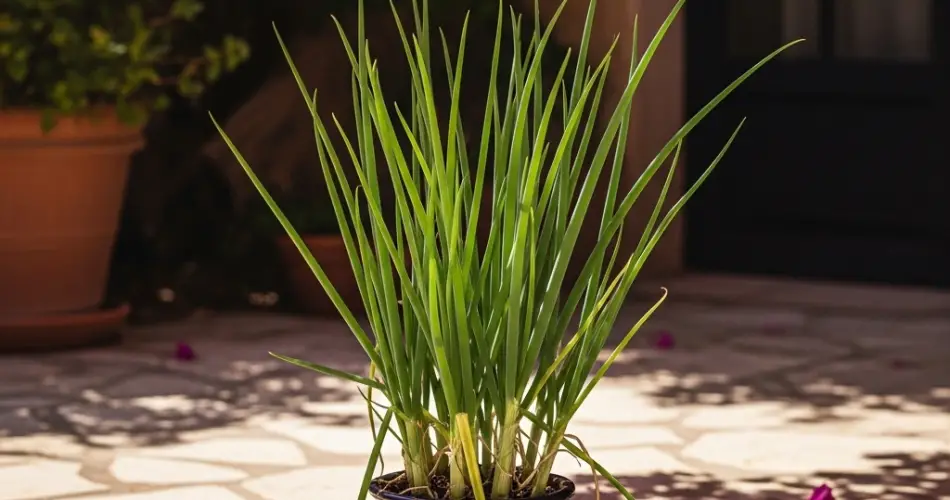
In cities where outdoor gardening space is limited or nonexistent, growing your own fresh vegetables might seem like a dream. Fortunately, scallions—also known as spring onions or green onions—are among the easiest vegetables to grow right on your windowsill. These flavorful shoots require minimal space, grow quickly, and provide a steady supply of fresh greens with little effort.
Here’s a complete guide to growing scallions indoors, ideal for small apartments, kitchen windows, or any sunny indoor spot.
Why Choose Scallions for Indoor Gardening?
Scallions are incredibly well-suited to urban environments because:
-
They have shallow roots, so they don’t need deep pots.
-
They grow fast—you can harvest in just 3 to 4 weeks.
-
They regrow after being cut, so you can enjoy multiple harvests.
-
They need minimal care, making them ideal for beginners and busy schedules.
Whether you’re a seasoned gardener or just getting started, scallions are a smart and flavorful addition to your indoor garden.
The Best Containers for Windowsill Scallions
Growing scallions doesn’t require fancy containers. A few small pots, yogurt cups, or even repurposed plastic bottles will do the trick. Just make sure they have:
-
Good drainage: Punch holes in the bottom to prevent root rot.
-
A shallow but wide shape: At least 4–6 inches deep and wide enough for multiple plants.
-
A tray underneath: This will catch any excess water and keep your windowsill clean.
Arrange your containers to get maximum sunlight during the day—ideally near an east- or south-facing window.
Choosing Your Planting Method: Seeds, Sets, or Scraps
You have three easy options when it comes to growing scallions at home:
1. Seeds
-
Sow seeds about ¼ inch deep and 1 inch apart.
-
Keep the soil moist until the seeds germinate in 7–10 days.
-
Once sprouted, thin them to 1–2 inches apart.
This is the most traditional method and allows you to grow a large number of plants in one go.
2. Onion Sets
-
These are small pre-started bulbs that grow faster than seeds.
-
Plant them just below the soil surface, spaced about 2 inches apart.
-
Water and place in sunlight—growth begins in just a few days.
3. Kitchen Scraps
-
Save the white roots from store-bought scallions.
-
Soak them in a small glass of water for a few days until roots grow longer.
-
Then, plant them in moist potting soil with the green tips just above the surface.
This method is economical and perfect for recycling kitchen waste into something useful.
Soil and Light Requirements
Scallions prefer:
-
Light, well-draining soil: Use potting mix with added compost or coconut coir.
-
Consistent moisture: The soil should stay damp but not soggy.
-
Bright sunlight: A sunny window that receives at least 6 hours of light daily is ideal. If your home doesn’t get much light, a small grow light can help.
Turn your container every few days to ensure even light exposure and prevent the shoots from leaning.
Watering and Fertilizing Tips
Scallions are not too demanding, but a few care tips can keep them thriving:
-
Water when the top inch of soil feels dry.
-
Avoid overwatering to prevent root rot.
-
Fertilize every 2–3 weeks with a diluted organic liquid fertilizer or compost tea to encourage steady growth.
If using recycled scraps, you can skip fertilizing during the early regrowth phase but add nutrients once the shoots mature.
Harvesting and Regrowing
You can begin harvesting scallions when they are about 6–8 inches tall and have thick green shoots. To harvest:
-
Use clean scissors to snip off the greens above the white base.
-
Leave about 1 inch of the white stem in the soil to allow regrowth.
-
The same plant can produce fresh shoots several times before slowing down.
If you prefer to use the entire scallion, gently pull the plant from the soil and wash thoroughly before use.
Troubleshooting Common Issues
-
Yellowing leaves: Often caused by overwatering or lack of nutrients.
-
Thin, weak shoots: Can result from too little sunlight—move the pot to a brighter spot.
-
Fungal growth: Improve air circulation and reduce excess moisture.
By adjusting watering habits and ensuring enough light, most problems can be resolved quickly.
Final Thoughts
Urban scallion gardening is a practical, low-maintenance way to enjoy fresh, homegrown vegetables even if you don’t have outdoor space. With a few simple containers, a sunny windowsill, and some basic care, you can grow and regrow scallions all year round. It’s a sustainable and satisfying way to enhance your meals while connecting with the rhythm of nature—even from a high-rise apartment.


