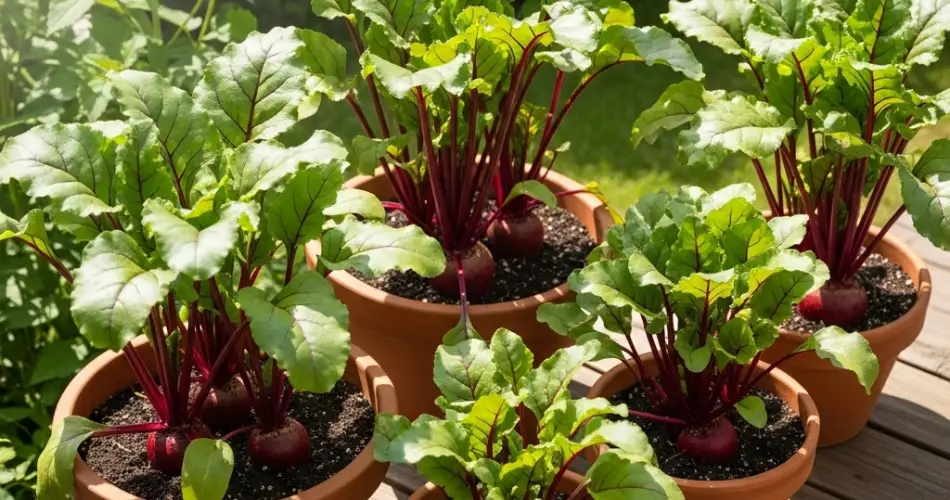
Beetroot is a versatile, nutrient-rich root vegetable that’s surprisingly easy to grow in containers. Whether you have a balcony, patio, rooftop, or even just a sunny windowsill, pot-grown beetroot can flourish with minimal space and care. Its edible leaves and sweet, earthy roots make it a rewarding crop for gardeners of all levels.
Container gardening with beetroot not only saves space, but also allows you to control soil quality and moisture. With the right setup, even a small pot can yield multiple tender, delicious roots that are perfect for roasting, juicing, or adding to fresh salads.
Why Grow Beetroot in Pots?
Beetroot thrives in containers for several reasons:
-
Compact growth habit: Beets don’t require much space, making them ideal for containers.
-
Fast growing: Most varieties mature within 6–8 weeks.
-
Dual-purpose crop: You can harvest both the roots and leafy greens.
-
Fewer pests and diseases: Growing in pots reduces exposure to soil-borne issues.
-
Control over growing conditions: You decide the soil quality, watering schedule, and placement.
Whether you’re limited on outdoor space or want to try something new, growing beetroot in pots is a practical and rewarding option.
Best Beetroot Varieties for Containers
Some beet varieties are especially well-suited for container growing due to their small root size and quick maturation. Popular options include:
-
Detroit Dark Red: A classic, fast-growing beet with deep red roots and tasty greens.
-
Boltardy: Great for early sowing and resistant to bolting.
-
Chioggia: An Italian heirloom with distinctive red and white rings inside.
-
Golden Beet: Mild, sweet flavor with bright yellow flesh and beautiful greens.
Look for compact varieties if your containers are small, but most beets will grow well as long as they have enough root depth.
Choosing the Right Container
For healthy root development, choose containers that are:
-
At least 20–25 cm (8–10 inches) deep
-
Wide enough to space the plants 8–10 cm (3–4 inches) apart
-
Equipped with adequate drainage holes
You can use plastic pots, terracotta containers, fabric grow bags, or even recycled buckets—just be sure to drill holes in the bottom if needed.
Soil and Planting
Beetroot prefers loose, fertile, and well-draining soil. Avoid compacted soil, which can hinder root growth and produce misshapen beets. For best results, use:
-
2 parts organic potting mix
-
1 part compost or well-rotted manure
-
Optional: Add a handful of perlite or sand to improve aeration
Sow beet seeds directly into the container, as they don’t transplant well. Each “seed” is actually a seed cluster that can produce multiple seedlings. Sow seeds about 1–2 cm deep and 8–10 cm apart.
After germination, thin the seedlings by snipping extra shoots at the soil line, leaving one strong plant per cluster. Thinning ensures the remaining roots have enough room to grow properly.
Sunlight and Watering
Beetroot requires at least 4–6 hours of direct sunlight daily, though it grows best with more. Place your container in the sunniest available spot.
Water regularly to keep the soil evenly moist, especially during dry periods. Beets don’t like soggy conditions, but the soil should never completely dry out. Use a watering can with a gentle rose attachment to avoid disturbing the soil around young plants.
Adding a light mulch layer (such as straw or shredded leaves) can help retain moisture and reduce weed growth.
Feeding and Maintenance
Beets are light feeders, but a mid-season boost can help with root development. Use a balanced liquid fertilizer or compost tea every 3–4 weeks.
Avoid high-nitrogen fertilizers, which can encourage leaf growth at the expense of root size. Instead, opt for fertilizers that support both foliage and root formation.
Remove any yellowing or damaged leaves to improve airflow and reduce disease risk. The healthy greens can be harvested sparingly for salads or sautés.
Pest and Disease Management
Container-grown beetroot generally avoids major pest problems, but watch out for:
-
Leaf miners: Look for white trails on leaves. Remove affected foliage promptly.
-
Aphids: Spray with water or neem oil if infestations occur.
-
Fungal issues: Prevent overcrowding and avoid wetting the leaves when watering.
Good airflow, clean pots, and proper spacing help prevent most issues.
Harvesting Beets
Beets are typically ready to harvest 50–70 days after sowing, depending on the variety and growing conditions. Roots are best harvested when they reach 4–6 cm in diameter—larger beets can become woody and less flavorful.
To harvest, gently loosen the soil and pull the beetroot by the base of the stems. Avoid damaging nearby roots if you’re harvesting selectively.
If you’re harvesting leaves for food, pick only a few from each plant at a time to allow the root to continue growing.
Storing and Using Your Beets
After harvest:
-
Twist off the tops (don’t cut them, as it causes bleeding).
-
Store roots in a cool, dark place for up to several weeks.
-
Use fresh beet greens immediately or refrigerate them for a few days.
Beets are delicious roasted, boiled, steamed, or eaten raw in salads. The greens can be sautéed or added to soups and stir-fries.
Final Thoughts
Growing beetroot in pots is a simple and productive way to enjoy fresh, homegrown vegetables no matter how much space you have. With minimal care, you can harvest both nutritious leaves and vibrant roots within just a couple of months. Whether you’re gardening on a windowsill or a compact patio, pot-grown beets are a colorful, healthy, and rewarding addition to your edible garden.


