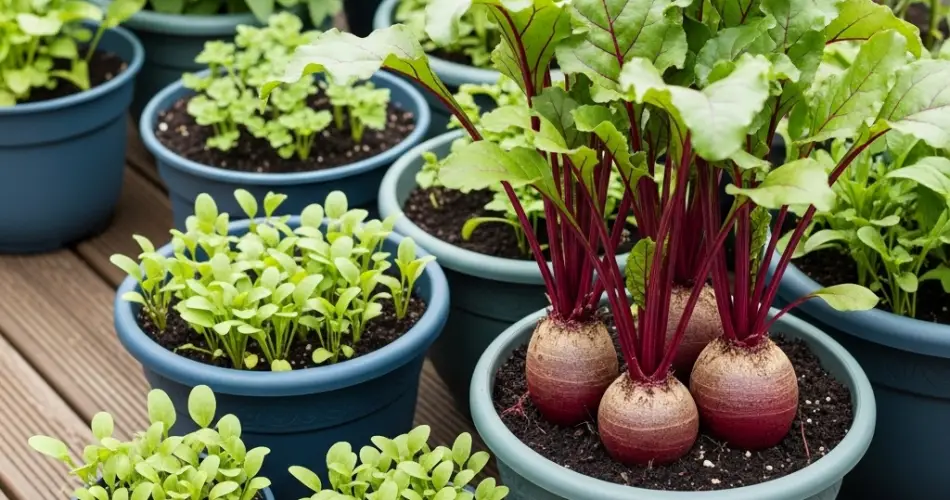
Beets are a delicious, nutrient-rich root vegetable known for their sweet, earthy flavor and vibrant color. The good news? You don’t need a big garden to enjoy a homegrown beet harvest. Beets grow remarkably well in containers, making them ideal for balconies, patios, and other small-space gardens.
Container gardening gives you control over soil conditions and reduces the risk of pests and disease. Plus, beets grow quickly and can be harvested in as little as 6 to 8 weeks, making them a great crop for gardeners of all experience levels.
Why Grow Beets in Pots?
Beets are a smart choice for container gardening because they:
-
Require little space – Perfect for apartment dwellers or urban gardeners
-
Grow quickly – From seed to harvest in 45–70 days, depending on the variety
-
Are dual-purpose – You can harvest both the roots and the leafy green tops
-
Allow controlled conditions – Soil quality, drainage, and watering are easier to manage in pots
-
Reduce pest risk – Less exposure to soil-borne diseases and root-chewing insects
Whether you’re after tender baby beets or full-sized roots, container growing gives you flexibility and convenience.
Choosing the Right Beet Varieties
Some beet varieties are better suited for containers due to their compact size and fast maturity. Great options include:
-
Detroit Dark Red – Classic heirloom beet, excellent for both roots and greens
-
Chioggia – Italian variety with red-and-white concentric rings
-
Golden Beets – Milder flavor and bright yellow flesh
-
Boltardy – Slow to bolt and ideal for spring planting
-
Babybeat – A mini beet that matures early and grows well in small containers
Choose based on flavor preference and your available container size. All beet varieties will produce edible greens as well.
What You’ll Need
Before you get started, gather the following materials:
-
A container at least 8–12 inches deep with drainage holes
-
High-quality potting mix (avoid heavy garden soil)
-
Compost or aged manure
-
Beet seeds
-
Watering can or hose with a gentle spray
-
Optional: mulch, organic fertilizer
Step 1: Selecting and Preparing the Container
Beets develop rounded roots that need room to expand downward. Choose a pot or container at least 12 inches deep and wide. Rectangular planters or fabric grow bags work particularly well for spacing multiple rows.
Ensure your container has drainage holes to prevent soggy soil and root rot.
Fill the container with loose, well-draining potting mix enriched with compost or worm castings. Avoid compact or clay-heavy soil, which can hinder root growth.
Step 2: Sowing the Seeds
Beets are best grown from seed rather than transplants. Each beet “seed” is actually a cluster that can produce multiple seedlings, so thinning will be necessary later.
Sow seeds ½ inch deep and 2–3 inches apart. Water gently but thoroughly. Keep the soil moist until the seeds germinate—usually within 7 to 10 days.
For a continual harvest, sow a new round of seeds every 2–3 weeks during the growing season.
Step 3: Thinning the Seedlings
Once seedlings are about 2 inches tall, thin them out so that the strongest remain, spaced about 3–4 inches apart. This ensures there’s enough room for each root to develop properly.
You can eat the thinned seedlings—beet greens are tender and delicious in salads or sautés.
Step 4: Sunlight and Watering
Beets need at least 6 hours of direct sunlight daily to grow strong roots and healthy foliage. Place your containers in a sunny spot—south-facing patios or balconies work well.
Water consistently, keeping the soil evenly moist but not soggy. Inconsistent watering can lead to cracked roots or poor development. Container soil tends to dry out faster than garden beds, especially in warm weather, so check moisture daily.
Step 5: Fertilizing and Maintenance
Beets are moderate feeders. If you’ve used compost-rich soil, additional fertilizer may not be necessary. Otherwise, apply a balanced, organic liquid fertilizer every 2–3 weeks.
Avoid high-nitrogen fertilizers, which can cause excess leafy growth at the expense of root development.
Mulching with straw or dried leaves helps retain moisture and regulate soil temperature, especially in warmer climates.
Step 6: Harvesting
Beets are typically ready to harvest in 45 to 70 days, depending on the variety and desired size. Baby beets can be pulled earlier, while full-sized roots should be 1½ to 3 inches in diameter.
Gently loosen the soil and pull up the beet by the base of the stems. You can harvest outer leaves earlier for fresh greens without disturbing the root.
After harvesting, store beets in a cool, dry place. Remove the greens if storing for more than a few days, as they can draw moisture from the roots.
Final Thoughts
Growing beets in pots is a simple and satisfying way to enjoy fresh, homegrown vegetables—even in limited space. With minimal supplies, proper care, and a bit of patience, you can enjoy sweet, earthy beets right from your patio or balcony.
Beets don’t just taste great—they’re packed with nutrients, easy to grow, and offer a double harvest of roots and greens. Whether you’re growing red, golden, or striped varieties, container-grown beets are a colorful, healthy, and delicious addition to your garden.


