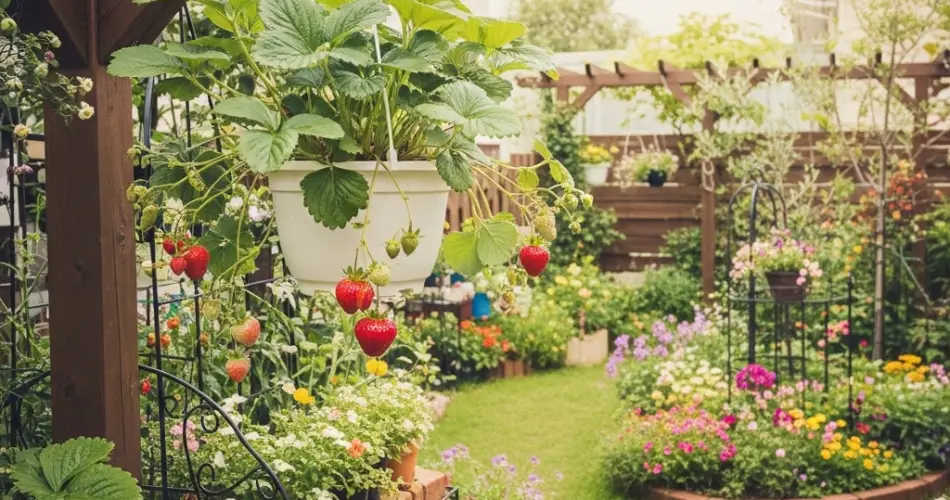
Strawberries are one of the easiest and most rewarding fruits to grow at home. With their sweet, juicy berries and compact growth habit, strawberries are perfect for container gardening—whether in traditional ground pots or decorative hanging baskets. Growing strawberries in pots allows gardeners to enjoy fresh berries without needing a large garden space. It also helps minimize weeds, reduce pests, and add a touch of beauty to patios, balconies, and sunny windows.
Whether you want cascading vines from hanging containers or tidy rows in classic ground pots, strawberries adapt well to both styles. Here’s how to grow your own strawberries successfully in hanging or ground pots for a fruitful and attractive home harvest.
Why Grow Strawberries in Pots?
Strawberries are naturally well-suited for container gardening due to their shallow roots and small size. Container growing offers several benefits:
-
Space-saving: Perfect for urban gardeners or those with limited space.
-
Fewer pests: Growing off the ground reduces the risk of slugs and soil-borne diseases.
-
Portability: Easily move pots for optimal sunlight or shelter from heavy rain.
-
Better drainage: Containers offer improved control over water and soil conditions.
-
Decorative appeal: Hanging baskets filled with green foliage and red fruit are visually stunning.
Whether you’re growing strawberries for the first time or looking to make better use of vertical space, pot-growing is a smart solution.
Choosing the Right Strawberry Variety
There are three main types of strawberries, and all can be grown in containers:
-
June-bearing: Produces one large crop in late spring or early summer. Great for large harvests.
-
Everbearing: Produces two to three harvests—usually spring, summer, and fall.
-
Day-neutral: Bears fruit continuously throughout the growing season as long as conditions are favorable.
For hanging baskets, trailing varieties like ‘Temptation’, ‘Toscana’, or ‘Tristan’ are excellent because they produce long runners with dangling fruit.
For ground pots, compact bush varieties like ‘Albion’, ‘Seascape’, or ‘Ozark Beauty’ perform reliably and offer good yields.
Container Selection
Choose containers based on your space and aesthetic preferences:
-
Hanging Baskets: Use baskets that are 10–12 inches (25–30 cm) deep with good drainage. Wire baskets with coconut fiber linings work well for ventilation and root health.
-
Ground Pots: Choose pots that are at least 12 inches (30 cm) wide and 8–10 inches (20–25 cm) deep. Terracotta, plastic, or fabric grow bags are all suitable.
Make sure every container has several drainage holes at the base to prevent waterlogging.
Soil and Preparation
Strawberries prefer well-draining, slightly acidic soil with a pH between 5.5 and 6.5. For best results, use:
-
2 parts quality potting mix
-
1 part compost or aged manure
-
Optional: Mix in perlite or sand for improved drainage
Avoid heavy garden soil, which can compact easily and lead to poor root development.
Planting Strawberries in Pots
-
Spacing: For ground pots, plant 2–3 strawberry plants per 12-inch pot. In hanging baskets, place plants evenly around the edges and one or two in the center.
-
Planting Depth: Position each plant so that the crown (where the leaves meet the roots) sits just above the soil. Planting too deep can cause rot.
-
Water Thoroughly: After planting, water the container gently but thoroughly to settle the roots.
-
Sunlight: Place the pots in a location with at least 6–8 hours of direct sunlight daily. More sun means sweeter, more productive berries.
Watering and Feeding
-
Watering: Keep the soil consistently moist but not soggy. Hanging baskets may need daily watering during hot weather due to faster drying.
-
Feeding: Fertilize with a balanced liquid fertilizer every 2–3 weeks, especially during flowering and fruiting. You can also use a slow-release fertilizer at planting time.
-
Mulching: Use straw, dried leaves, or coco coir to mulch the top of ground pots. This helps retain moisture and keeps berries clean.
Care and Maintenance
-
Pinch off flowers: For newly planted strawberries, remove the first few flowers to allow the plant to focus on root development.
-
Remove runners: If you’re not propagating new plants, trim runners to encourage the plant to direct energy into fruiting.
-
Pest control: Watch for aphids, spider mites, and fruit rot. Use neem oil or insecticidal soap if pests appear.
-
Rotation: Refresh soil each season or rotate the location of your pots to prevent disease buildup.
Harvesting Your Strawberries
Strawberries are ready to harvest when they are fully red, firm, and fragrant. Pick berries in the morning when they are cool, and check daily during peak season as ripening can happen quickly.
Gently twist or snip the fruit from the stem to avoid damaging the plant.
Overwintering and Longevity
Strawberry plants can survive for 2–3 years in pots but may decline in productivity after that. To overwinter:
-
Move pots to a sheltered, frost-free area.
-
Water sparingly—just enough to keep the roots from drying out.
-
In spring, prune dead leaves and refresh the top layer of soil or repot if needed.
Final Thoughts
Growing strawberries in hanging or ground pots is a fun, space-saving way to enjoy fresh fruit right at home. With the right variety, container, and care, you can harvest sweet, homegrown berries all season long—even in the smallest of spaces. Whether cascading from a hanging basket or tucked neatly into a patio pot, potted strawberries bring beauty, flavor, and satisfaction to any garden setting.


