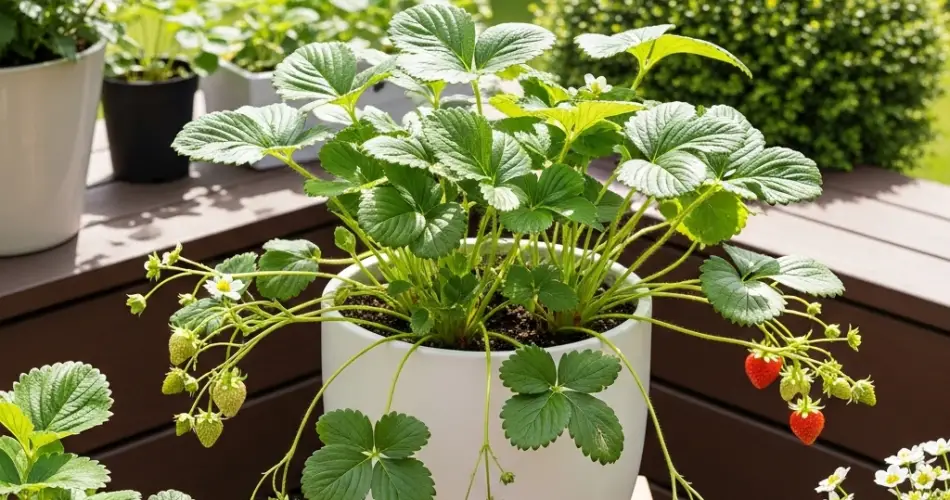
There’s nothing quite like picking fresh, sun-warmed strawberries straight from your garden. But even if you don’t have a yard, you can still enjoy homegrown strawberries by growing them in pots. Container gardening makes it possible to harvest sweet, juicy berries from balconies, patios, decks, or even sunny windowsills.
Strawberries are compact, adaptable, and perfectly suited for life in containers. With the right setup and care, you can enjoy a steady supply of delicious fruit right outside your door.
Why Grow Strawberries in Pots?
Strawberries are ideal for container gardening because they don’t require much space to thrive. Their shallow root systems make them well-suited for pots, hanging baskets, grow bags, and window boxes. Here are some benefits of growing strawberries in containers:
-
Space-saving – Perfect for urban dwellers and those with limited outdoor areas
-
Fewer pests and diseases – Containers reduce soil-borne issues and slug damage
-
Better soil control – Easier to maintain ideal drainage and nutrient levels
-
Mobility – Move pots to sunnier spots or shelter them from heavy rain
-
Earlier harvests – Container soil warms up faster in spring, encouraging early fruiting
Whether you’re a beginner gardener or a seasoned pro, strawberries are an easy and rewarding crop to grow in small spaces.
Choosing the Best Strawberry Types
Strawberries come in three main types, each suited to different gardening goals:
-
June-bearing – Produce one large crop per year in late spring or early summer. Great for jam-making and bulk harvests.
-
Everbearing – Produce two or three smaller harvests during spring, summer, and early fall.
-
Day-neutral – Continue producing fruit throughout the growing season as long as conditions are favorable.
For container gardening, day-neutral and everbearing varieties are often the best choices because they offer ongoing harvests. Some reliable container varieties include:
-
Albion – Day-neutral with large, sweet berries
-
Seascape – Great flavor and good yield in containers
-
Tristar – Day-neutral, compact, and ideal for pots
-
Quinault – Everbearing with soft, flavorful fruit
What You’ll Need
Gather the following materials to start your strawberry pot garden:
-
Pots or containers with drainage holes (minimum 6–8 inches deep)
-
High-quality potting mix (light and well-draining)
-
Compost or slow-release organic fertilizer
-
Strawberry seedlings (bare root or potted)
-
Mulch such as straw or coconut fiber
-
Watering can or hose with a fine spray setting
Step 1: Prepare Your Containers
Choose containers that are wide enough to allow plants to spread, with good drainage to prevent root rot. Hanging baskets, traditional pots, tiered planters, and strawberry towers are all excellent choices.
Fill the container with a light, well-draining potting mix enriched with compost. Avoid heavy garden soil, which retains too much moisture.
Step 2: Plant Your Strawberries
Space strawberry plants about 8–10 inches apart. If you’re using hanging baskets or towers, place plants where they can cascade over the edge for easy harvesting and attractive growth.
Plant so that the crown (where the leaves meet the roots) sits just at soil level. Burying the crown can cause it to rot; planting it too high can cause the roots to dry out.
Water thoroughly after planting to settle the soil.
Step 3: Sunlight and Watering
Strawberries need at least 6 hours of full sun daily, though 8–10 hours is even better. Position your pots in a sunny spot with good air circulation.
Keep the soil consistently moist but not waterlogged. Water when the top inch of soil feels dry, and try to avoid wetting the foliage to reduce disease risk.
During hot, dry periods, container strawberries may need daily watering.
Step 4: Feeding and Maintenance
Apply a balanced, organic liquid fertilizer every 2–3 weeks or use a slow-release fertilizer at planting time. Strawberries benefit from regular feeding, especially during flowering and fruiting.
Remove yellowing leaves and runners (long stems that produce new plants) to keep growth focused on fruit production. Runners can also be potted separately to grow more plants if desired.
Mulching around the base of the plants helps retain moisture and keeps developing fruit off the soil, reducing rot and pests.
Step 5: Pollination and Fruit Production
Strawberries are self-pollinating, but a little help from bees or wind improves fruit set. If growing indoors or in a low-pollinator area, you can hand-pollinate with a small brush by gently transferring pollen between flowers.
You’ll start seeing flowers followed by green berries, which gradually turn red as they ripen.
Step 6: Harvesting
Pick strawberries when they are fully red and ripe. Don’t wait too long—overripe berries attract pests and lose their firmness.
Harvest in the morning when the fruit is cool, and use scissors or snip with your fingers, leaving a small piece of the stem attached. Frequent harvesting encourages more fruit production.
Final Thoughts
Strawberries grown in pots offer a simple and satisfying way to enjoy fresh fruit even in tight spaces. With the right container, sunlight, and a bit of care, you’ll be rewarded with sweet, juicy berries all season long.
Whether you’re snacking straight from the vine, adding them to desserts, or freezing them for later, container-grown strawberries are a practical and delicious addition to any small-space garden.


