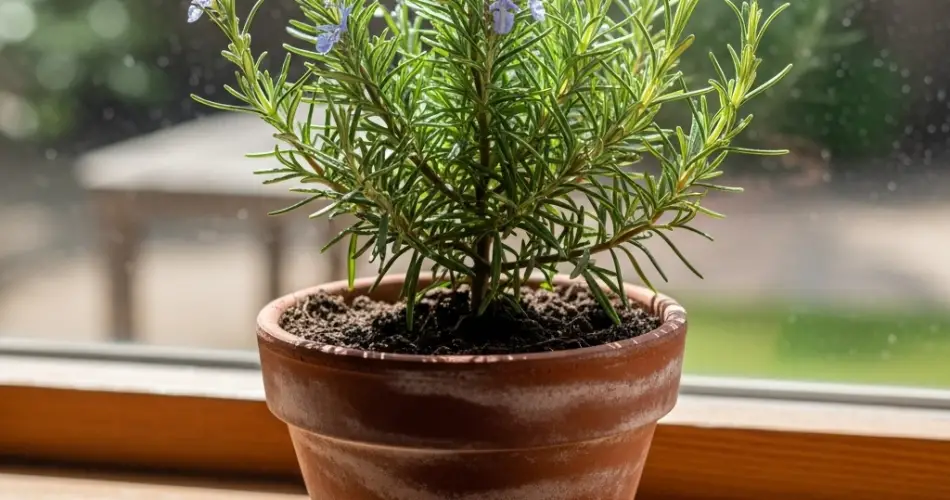
For anyone who loves cooking with fresh herbs but doesn’t have much room for gardening, rosemary is a perfect candidate for pot cultivation. This hardy Mediterranean herb adapts beautifully to containers, thriving even in compact spaces such as balconies, patios, or small kitchens with sunny windowsills. With its fragrant needle-like leaves and ability to grow year-round, rosemary brings both flavor and beauty to your home.
This guide will show you how to grow healthy rosemary in pots, covering everything from choosing the right container and soil to watering, pruning, and keeping your plant thriving long-term.
Why Rosemary Grows Well in Pots
Rosemary naturally suits container gardening for several reasons. Its woody stems, evergreen foliage, and moderate growth habit make it easier to manage than sprawling herbs. Rosemary thrives in environments where water drains quickly, and containers allow you to control soil conditions better than a garden bed.
For small-space gardeners, rosemary’s compact form and year-round greenery also make it a decorative plant, serving as both an herb and an ornamental addition to your space.
Choosing the Right Pot
The container you select plays a big role in rosemary’s success.
-
Size: Start with a pot at least 12 inches deep and wide. Rosemary has a strong root system that needs room to spread. Larger pots help prevent the soil from drying out too quickly in hot weather.
-
Material: Terracotta pots are ideal because they allow air circulation around the roots and help the soil dry between waterings. Plastic or ceramic pots also work as long as they have adequate drainage holes.
-
Drainage: Always ensure there are holes at the bottom of the container. You can also place a thin layer of gravel at the base to improve drainage. Rosemary dislikes sitting in wet soil, which can quickly lead to root rot.
Soil Mix for Healthy Growth
Rosemary prefers a light, sandy, and well-draining soil mix that mimics its natural Mediterranean environment. A simple recipe is:
-
2 parts quality potting mix.
-
1 part coarse sand or perlite to keep soil loose and airy.
-
1 part compost for balanced nutrition.
This blend allows excess water to drain while giving the plant the nutrients it needs for strong, flavorful leaves.
Sunlight Requirements
Rosemary is a sun-loving plant and needs plenty of light to grow well.
-
Aim for 6–8 hours of direct sunlight daily. A sunny balcony or south-facing windowsill is perfect.
-
If you don’t have consistent sunlight indoors, consider supplementing with a grow light during darker months.
Without enough light, rosemary tends to grow weak and leggy, and its flavor will not be as strong.
Watering Rosemary in Pots
When grown in containers, rosemary requires more careful watering than in garden soil.
-
Check soil moisture: Stick your finger an inch into the soil. If it feels dry, water thoroughly. If it’s still damp, wait a day or two.
-
Water deeply: Give enough water so it drains out of the bottom, but never let the pot sit in a saucer of water.
-
Seasonal adjustment: In summer, rosemary may need watering every few days, while in winter, reduce the frequency.
Overwatering is the most common reason rosemary fails in pots, so always let the soil dry slightly between waterings.
Feeding Rosemary
Rosemary doesn’t need heavy fertilization. A little goes a long way:
-
Use a balanced liquid fertilizer once a month during the growing season (spring through summer).
-
Alternatively, add slow-release fertilizer granules or refresh the soil with compost in spring.
-
Avoid overfeeding with nitrogen-heavy fertilizers, which encourage leafy growth at the expense of flavor.
Pruning and Harvesting
Pruning is essential to keep rosemary bushy and productive.
-
Begin harvesting lightly once your plant is established, snipping sprigs from the top or sides. Always cut just above a leaf node to encourage new growth.
-
Regularly trim back straggly or woody stems to maintain shape.
-
Aim to prune lightly every few weeks during the growing season, but never cut back more than one-third of the plant at once.
Consistent pruning improves airflow, prevents disease, and keeps rosemary looking attractive.
Seasonal Care Tips
Rosemary is a perennial that can live for years in a pot with proper care.
-
Spring: Refresh soil by replacing the top few inches with compost and prune back old stems to stimulate growth.
-
Summer: Protect pots from drying winds and water more frequently.
-
Fall: Reduce watering and bring plants indoors if frost is expected in your area.
-
Winter: Place rosemary near a bright window indoors or under a grow light. Water sparingly during dormancy.
Common Challenges
Even though rosemary is hardy, it can run into problems in pots.
-
Root rot: Caused by excess water and poor drainage. Ensure your soil mix is light and airy.
-
Powdery mildew: Appears in humid conditions with poor airflow. Space plants apart and prune to allow circulation.
-
Yellowing leaves: Often a sign of overwatering or lack of light. Adjust care accordingly.
Final Thoughts
Growing rosemary in pots is one of the easiest and most rewarding ways to enjoy fresh herbs in compact spaces. With the right pot, well-draining soil, plenty of sunlight, and mindful watering, your rosemary will flourish on a balcony, patio, or windowsill.
Not only does rosemary provide fresh, aromatic sprigs for cooking, but it also enhances your home with its evergreen beauty and fragrance. With just a little attention, you can keep your potted rosemary thriving for years, turning even the smallest space into a productive herb garden.


