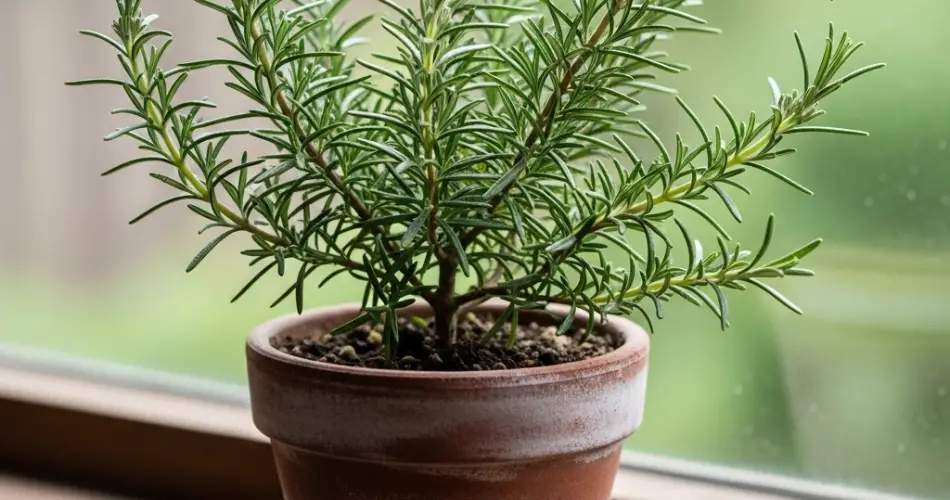
Rosemary is one of the most beloved culinary herbs, known for its piney aroma and ability to transform simple dishes into flavorful meals. Beyond its role in the kitchen, rosemary is also prized for its ornamental qualities. When grown in pots, it can serve as a fragrant centerpiece on patios, balconies, or windowsills. However, to keep potted rosemary looking neat and producing healthy, aromatic leaves, pruning and shaping are essential.
This guide covers everything you need to know about trimming and shaping rosemary in containers so that your plant remains attractive, vigorous, and productive year after year.
Why Pruning Is Important for Potted Rosemary
Unlike garden-grown rosemary, potted rosemary has limited space for roots and stems to spread. Without regular pruning, it can become leggy, woody, and less flavorful. Trimming serves several purposes:
-
Encourages new growth: Cutting back old stems stimulates fresh shoots and more tender leaves.
-
Prevents woody stems: Regular pruning keeps rosemary from becoming stiff and less productive.
-
Maintains shape: You can train rosemary into compact bushes, topiary forms, or even small trees.
-
Improves airflow: Thinning crowded branches reduces the risk of fungal diseases in humid conditions.
When to Prune Rosemary in Pots
The best times to prune rosemary are in spring and summer when the plant is actively growing. Light pruning can also be done throughout the year for harvesting. Avoid heavy pruning in late autumn or winter, as the plant needs time to recover before cold weather.
If you bring rosemary indoors for winter, give it a light trim before moving it inside. This helps reduce stress on the plant and encourages manageable growth during the lower-light months.
Tools You’ll Need
Pruning rosemary doesn’t require specialized tools, but a few basics will make the process easier and healthier for your plant:
-
Sharp pruning shears or scissors to make clean cuts.
-
Gloves if you find rosemary’s resin irritating to the skin.
-
A small container for collecting trimmings that you can dry or use fresh in cooking.
Always sanitize tools before pruning to prevent spreading disease.
How to Prune Rosemary Step by Step
-
Start with dead or damaged stems: Remove any brown, brittle, or diseased branches. This improves the plant’s appearance and directs energy to healthy growth.
-
Thin crowded areas: Identify sections where stems are tightly packed and cut out some of the older ones. This increases airflow and allows light to reach the inner parts of the plant.
-
Shape the plant: Trim stems back evenly to create the desired form. For a bushy look, cut tips across the entire plant. For a more upright or tree-like shape, remove lower branches and focus growth at the top.
-
Harvest strategically: When you snip rosemary for cooking, cut just above a leaf node. This encourages two new shoots to grow from that spot, keeping the plant fuller over time.
-
Avoid cutting into woody stems: Rosemary does not regenerate well from old, woody parts. Always leave some green growth on stems when trimming.
Shaping Rosemary in Pots
One of the joys of growing rosemary in containers is that you can shape it creatively. Here are a few popular styles:
-
Bushy shrub: By pinching back tips regularly, you encourage dense, rounded growth.
-
Topiary: With patience, rosemary can be pruned into balls, cones, or spirals. Regular trimming is required to maintain these ornamental forms.
-
Standard (mini tree): Remove lower branches to expose a central stem and allow a rounded canopy to form at the top.
Whichever shape you choose, consistency is key. Trim a little at a time and repeat regularly instead of waiting for the plant to overgrow.
Aftercare Following Pruning
Once you’ve pruned and shaped your rosemary, give it the care it needs to recover and thrive:
-
Water lightly: Rosemary prefers slightly dry conditions. Water only when the top inch of soil feels dry.
-
Provide sunlight: Place the pot in a sunny location with at least 6–8 hours of light daily.
-
Fertilize sparingly: After pruning, a light application of balanced, slow-release fertilizer can support new growth, but avoid overfeeding as it may reduce flavor.
-
Rotate the pot: Turning the container every week or two ensures even growth and prevents one side from becoming lopsided.
Using Rosemary Trimmings
Don’t let your pruned rosemary go to waste. The fresh clippings can be used immediately in roasted meats, potatoes, or breads. Stems can also be dried by hanging small bundles upside down in a cool, airy place, or frozen for long-term storage. Even thicker stems can serve as skewers for grilling vegetables and meats, adding a smoky herbal flavor.
Common Pruning Mistakes to Avoid
-
Cutting too much at once: Never remove more than one-third of the plant at a time.
-
Pruning into old wood: Stems without green growth are less likely to sprout again.
-
Neglecting regular trims: Waiting too long between prunings leads to woody, sparse plants that are harder to rejuvenate.
Conclusion
Pruning and shaping rosemary in pots is both practical and rewarding. With just a little effort, you can maintain a healthy plant that offers fresh, aromatic sprigs for cooking while also serving as a decorative addition to your home or garden. Regular trimming keeps rosemary bushy, prevents woody growth, and allows you to experiment with different shapes, from simple shrubs to elegant topiaries.
By understanding when and how to prune, providing the right aftercare, and making use of the fragrant trimmings, you’ll enjoy thriving potted rosemary that delivers both beauty and big flavor season after season.


