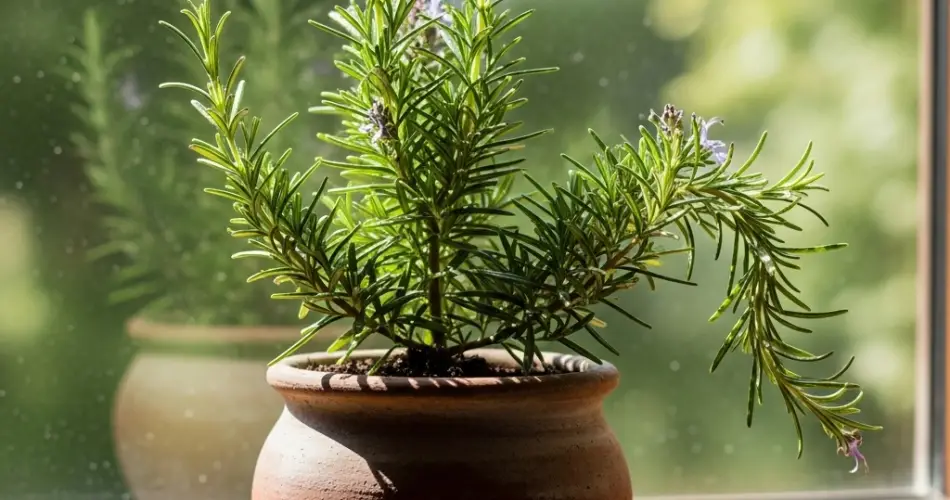
Rosemary is a wonderfully aromatic herb that not only elevates dishes with its distinctive flavor but also brings beauty and fragrance to any growing space. For urban dwellers or gardeners with limited outdoor areas, rosemary is a perfect choice for container gardening on balconies. With the right approach, this hardy Mediterranean herb thrives in pots, rewarding you with evergreen sprigs to harvest year-round.
This guide will walk you through the essentials of growing rosemary in small containers on your balcony, from choosing the right pot and soil to pruning and long-term care.
Why Rosemary is Ideal for Balcony Gardening
Rosemary is naturally suited to container life. Its slow-to-moderate growth, drought tolerance, and adaptability to pruning make it an excellent herb for small spaces. Beyond its culinary value, rosemary acts as a natural air freshener, filling your balcony with a refreshing pine-like scent. It’s also visually appealing, with needle-like leaves and delicate flowers that attract pollinators.
Additionally, rosemary thrives in sunny spots, which many balconies can provide. With just a little care, your balcony can become a steady source of fresh herbs for cooking, herbal teas, or even homemade remedies.
Choosing the Right Container
The container you select is critical for rosemary’s health. Here’s what to keep in mind:
-
Size: A pot that is at least 12–14 inches in diameter works well, giving roots enough space to spread. Larger pots help the soil retain moisture without waterlogging.
-
Material: Terracotta pots are ideal because they allow excess moisture to evaporate, preventing root rot. However, plastic or ceramic containers with drainage holes can also work.
-
Drainage: Good drainage is essential. Ensure your container has multiple holes at the bottom. If not, add a layer of gravel or broken pottery at the base before filling with soil.
The Best Soil Mix for Rosemary
Rosemary prefers a sandy, well-draining soil that mimics its Mediterranean origins. Standard potting soil is often too heavy, so improve it with the following blend:
-
2 parts high-quality potting mix.
-
1 part coarse sand or perlite for aeration.
-
1 part compost to provide slow-release nutrients.
This mixture prevents water from pooling around the roots while still giving the plant enough nutrition to thrive.
Sunlight and Placement
Rosemary loves the sun. For balcony growing:
-
Aim for 6–8 hours of direct sunlight each day. A south-facing balcony is ideal.
-
If your balcony doesn’t get full sun, consider supplementing with a small grow light.
-
Place pots near railings or walls where they get maximum exposure but are also sheltered from harsh winds.
Consistent light helps rosemary develop strong stems and flavorful leaves.
Watering Techniques
Although rosemary is drought-tolerant, it still needs regular watering when grown in pots. The key is moderation:
-
Check the soil first: Insert your finger about an inch into the soil. If it feels dry, it’s time to water.
-
Water thoroughly: Allow excess water to drain out of the bottom of the pot. Avoid letting the plant sit in standing water.
-
Adjust seasonally: In summer, rosemary may need more frequent watering, while in cooler months, reduce the amount to prevent soggy soil.
Overwatering is the most common cause of container rosemary failure, so always err on the side of less rather than more.
Feeding Your Rosemary
Rosemary doesn’t require heavy feeding, but light fertilization encourages steady growth:
-
Use a balanced liquid fertilizer once a month during spring and summer.
-
Alternatively, add a handful of slow-release organic fertilizer or compost at the start of the season.
-
Avoid excessive nitrogen, which promotes leafy growth at the expense of flavor.
Pruning and Harvesting
Pruning rosemary not only provides fresh herbs for the kitchen but also helps maintain the plant’s shape and health.
-
Begin light harvesting once the plant is well established, usually after a few months of growth.
-
Snip sprigs from the top and sides, cutting just above a leaf node to encourage branching.
-
Regularly remove dead or weak stems to improve airflow.
-
Aim to prune lightly every few weeks during the growing season.
Never remove more than one-third of the plant at a time. This keeps rosemary compact and productive.
Seasonal Care
Rosemary is an evergreen perennial, so with the right care, it can thrive year-round on your balcony.
-
Summer: Water more often and harvest frequently.
-
Fall: Reduce watering slightly and protect from heavy rain.
-
Winter: If your region experiences frost, bring pots indoors or wrap them with insulation. Place near a bright window to ensure light exposure.
-
Spring: Refresh the soil by replacing the top few inches with fresh compost, and prune to stimulate new growth.
Common Problems and Solutions
Even hardy rosemary can face challenges in pots. Here are some issues to watch for:
-
Root rot: Caused by poor drainage or overwatering. Use well-draining soil and never let water sit in the saucer.
-
Powdery mildew: A fungal disease from poor airflow. Space pots apart and prune to keep stems airy.
-
Yellowing leaves: Often a sign of too much water or insufficient light. Adjust watering and move to a sunnier spot.
Final Thoughts
Growing rosemary on your balcony is both practical and rewarding. With the right container, soil, sunlight, and care, you can enjoy a continuous harvest of fragrant sprigs for your cooking while adding greenery and fragrance to your space. This hardy herb adapts well to pot life, making it ideal for small-space gardeners.
By following simple care practices—particularly proper watering, pruning, and seasonal adjustments—you’ll have a strong, thriving rosemary plant that brightens your balcony and enriches your kitchen year after year.


