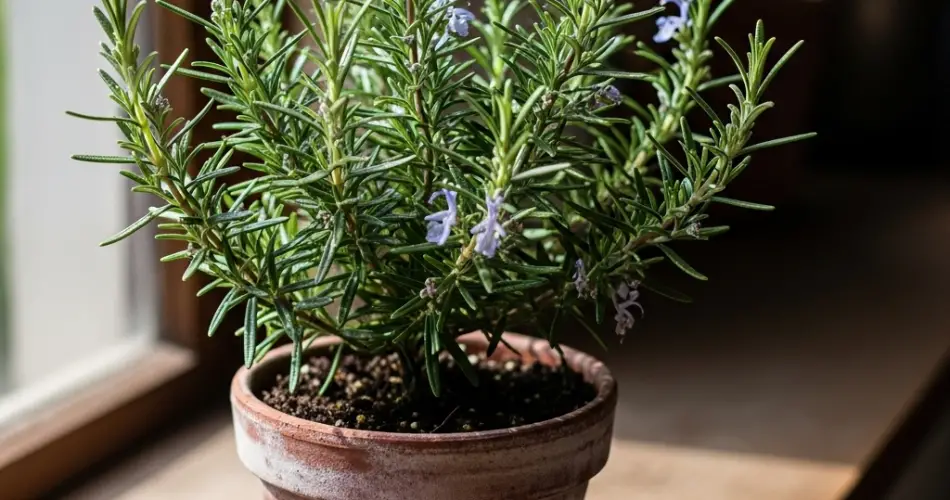
Rosemary is a hardy and aromatic Mediterranean herb that thrives both in gardens and in pots. When grown in containers, rosemary not only provides a convenient source of fresh sprigs for cooking but also serves as a fragrant ornamental plant for patios, windowsills, and balconies. However, the health and productivity of rosemary in containers depend greatly on one crucial factor: the choice of pot.
Selecting the right container is more than just a decorative decision. The pot influences root development, watering needs, and the plant’s overall growth. Understanding what rosemary requires in terms of size, shape, and material will ensure that your plant stays vigorous for many years.
Why the Right Pot Matters
Rosemary has a woody, shrub-like structure with roots that prefer well-drained conditions. In the wrong pot, the plant may suffer from root rot, stunted growth, or drying out too quickly. Choosing a container suited to rosemary’s natural habits sets the foundation for strong, healthy growth.
Ideal Pot Size for Rosemary
One of the first decisions to make is the pot size. While rosemary can tolerate being slightly root-bound, giving it enough room encourages steady growth.
-
Small Plants and Cuttings: Start young rosemary plants or cuttings in pots about 6–8 inches in diameter. These are easy to handle and allow the roots to establish without too much excess soil holding moisture.
-
Mature Plants: As the rosemary grows, transplant it into a larger pot—at least 12–14 inches in diameter. A deeper container is also recommended, as rosemary roots prefer room to extend downward.
-
Long-Term Growth: If you want your rosemary to live in the same pot for years, choose a container that is both wide and deep, ideally 16–18 inches, to prevent frequent repotting.
Avoid oversized pots for small plants, as too much soil can stay wet for too long, creating the risk of root diseases.
Drainage Is Essential
Rosemary thrives in dry, well-drained soil. Without proper drainage, water can collect at the bottom of the pot, suffocating the roots. Always choose a container with several drainage holes at the base.
If you find a decorative pot without holes that you’d like to use, consider placing a smaller, functional pot with drainage inside it. This way, you get the aesthetic appeal while protecting the plant from excess water.
For added security, place a layer of coarse gravel or broken terracotta pieces at the bottom of the pot to improve drainage further.
Pot Material Options
Different pot materials have unique benefits and drawbacks. Choosing the right one depends on your growing environment and how much maintenance you’re willing to provide.
-
Terracotta or Clay Pots: These are excellent for rosemary because they are porous, allowing soil to dry out faster. This mimics rosemary’s natural preference for drier conditions. The weight of terracotta also helps anchor larger plants. However, they can dry out quickly in hot climates, requiring more frequent watering.
-
Ceramic Pots: Glazed ceramic pots retain moisture longer than terracotta. They are attractive but can sometimes hold too much water, so make sure they have good drainage holes.
-
Plastic Pots: Lightweight and inexpensive, plastic pots retain moisture longer and are easier to move around. However, they can lead to soggy soil if not monitored carefully. They also may not provide the same breathability as terracotta.
-
Wooden Containers: These can look rustic and provide insulation for roots. Ensure that the wood is rot-resistant, such as cedar, and that the container is lined or treated for durability.
-
Metal Pots: While stylish, metal containers can heat up quickly in direct sunlight and may cause the soil to dry out unevenly. If using metal, line it with another pot or insulating material.
Pot Shape and Stability
Rosemary plants can become tall and bushy, which makes stability important. Choose a pot that is wider at the base than at the top to prevent tipping over. Deep, heavy pots such as terracotta are especially helpful for outdoor rosemary plants exposed to wind.
For shaping rosemary into topiary or small tree forms, a deep and narrow container works well to support the upright stem. For bushier growth, a wide pot gives the plant more space to spread.
Color and Placement Considerations
While pot color might seem like a purely aesthetic choice, it also affects how quickly soil dries out. Dark-colored pots absorb heat and may cause the soil to dry faster, while light-colored pots reflect heat and keep roots cooler. Consider your climate and where you will place the plant when making this decision.
If you’re growing rosemary outdoors, make sure the container is placed in full sun, as this herb needs at least six to eight hours of direct light daily. Indoors, place it near a bright, south-facing window or supplement with grow lights.
Repotting Rosemary
Even in the perfect pot, rosemary eventually outgrows its container. Every two to three years, check whether the roots are circling the inside of the pot or pushing through the drainage holes. If so, move the plant into a slightly larger pot. Refreshing the soil during repotting also gives rosemary a nutrient boost.
Conclusion
The right pot is more than just a home for rosemary—it’s the foundation for healthy, long-lasting growth. By choosing a container with proper size, drainage, material, and stability, you give your rosemary the environment it needs to thrive. Whether you prefer rustic terracotta, elegant ceramic, or lightweight plastic, the key is ensuring good drainage and enough space for the plant’s expanding root system.
With the right pot and proper care, your rosemary will reward you with fragrant, flavorful sprigs for cooking and an attractive presence on your balcony, patio, or kitchen windowsill for years to come.


