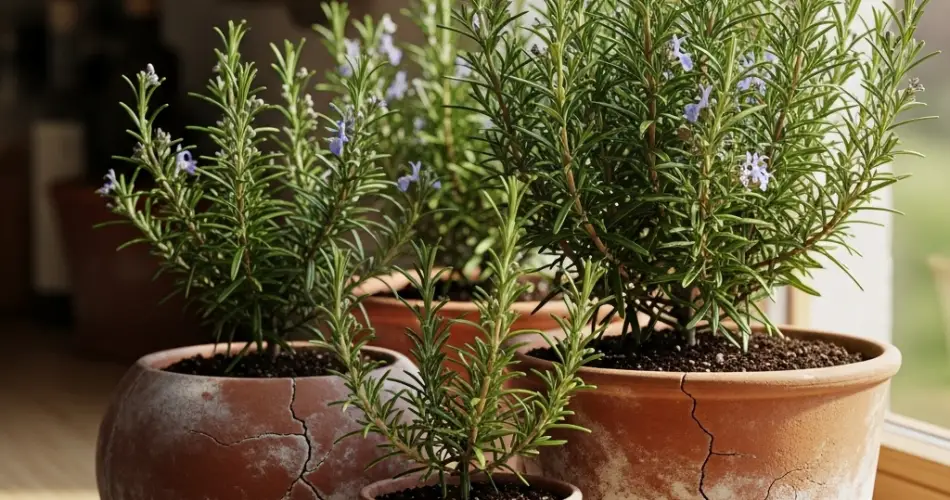
Rosemary is one of the most rewarding herbs to grow, not just for its rich aroma and culinary value but also for its ability to thrive in containers. Whether you live in a small apartment with a balcony, a home with a sunny windowsill, or a spacious terrace, rosemary adapts well to potted environments. Its evergreen foliage, resilience, and versatility make it an ideal choice for portable gardens. With the right potting techniques, you can enjoy a steady supply of this fragrant herb year-round.
Why Choose Portable Rosemary Gardens?
Growing rosemary in portable pots offers several benefits. For one, you can move the plant around to maximize its sun exposure, which is essential for its health. Portability also makes it easier to protect rosemary from harsh weather. In colder climates, pots can be shifted indoors to shield the plant from frost. For urban gardeners, portable rosemary gardens are an excellent way to enjoy fresh herbs without requiring a dedicated outdoor plot.
Additionally, containers provide better control over soil and watering conditions. Rosemary is prone to root rot if left in soggy soil, and pots allow you to create the well-draining environment it needs to thrive.
Selecting the Right Pot
The container you choose plays a key role in the success of your rosemary plant. Here are the main considerations:
-
Size: Start with a pot at least 12 inches in diameter and depth. As rosemary matures, it develops an extensive root system and benefits from extra space. Larger pots also hold moisture more evenly, reducing stress on the plant.
-
Material: Terra-cotta pots are popular because they allow excess moisture to evaporate. Plastic or ceramic containers are also suitable but be sure they have multiple drainage holes.
-
Portability: Since the idea is to keep your rosemary garden portable, consider lightweight materials or pots with built-in handles so moving them indoors and outdoors is easier.
Preparing the Ideal Soil
Rosemary thrives in well-draining, sandy soil similar to its native Mediterranean environment. To achieve this, mix:
-
2 parts all-purpose potting mix
-
1 part perlite or coarse sand for drainage
-
1 part compost for added nutrients
Avoid heavy, clay-based soils that retain too much water. A looser blend ensures proper airflow around the roots, which is vital for rosemary’s health.
Planting Rosemary in Pots
You can begin your portable rosemary garden using seeds, cuttings, or nursery plants.
-
Seeds: Starting rosemary from seed is possible but slow. Germination can take weeks, and growth is initially sluggish.
-
Cuttings: Taking 4–6 inch cuttings from an established rosemary plant is a quicker way to propagate. Remove the lower leaves, root the cuttings in water or soil, then transfer them into your prepared pot once roots appear.
-
Nursery plants: Buying a small rosemary plant is the fastest method for beginners. Simply re-pot it into a larger container with your custom soil mix.
Light and Watering Requirements
Rosemary is sun-loving and requires at least 6–8 hours of direct sunlight daily. Outdoors, place pots in the sunniest spot available. Indoors, keep them near a bright south-facing window or use a grow light if natural light is limited.
When it comes to watering, rosemary prefers to be kept on the drier side. Allow the top inch of soil to dry before watering again. Always ensure excess water drains freely from the pot. Overwatering is one of the leading causes of rosemary decline in containers.
Feeding and Maintenance
Rosemary is not a heavy feeder. Over-fertilizing may cause rapid growth at the expense of flavor and fragrance. A light feeding of balanced liquid fertilizer once a month during the growing season is sufficient.
Regular pruning helps keep your plant compact and bushy. Snip sprigs for cooking or trim leggy stems to promote new growth. This not only encourages a healthier shape but also provides a steady supply of fresh herbs for your kitchen.
Seasonal Care for Portability
One of the biggest advantages of portable rosemary gardens is the ability to move plants as needed. In summer, place pots outdoors where they can bask in full sunlight. When temperatures drop below freezing, bring the pots indoors to a bright, cool spot. Reduce watering in winter, as growth slows down.
If you live in a mild climate, rosemary can stay outdoors year-round, but placing it in a sheltered location still helps protect it from wind and heavy rain.
Harvesting Rosemary
You can begin harvesting rosemary once your plant is well established. Use sharp scissors or garden shears to cut stems, but avoid removing more than one-third of the plant at a time.
Fresh rosemary sprigs can be used immediately in cooking, or preserved for later use:
-
Drying: Hang cuttings in a warm, dry place until crisp, then store in airtight containers.
-
Freezing: Chop leaves and freeze in small portions with olive oil for convenient flavoring.
Final Thoughts
Portable rosemary gardens are both practical and rewarding. With the right pot, soil, and care, you can enjoy this fragrant, evergreen herb whether you have a balcony, patio, or just a sunny windowsill. Its versatility makes it a perfect choice for urban gardeners and those with limited space. By following simple potting tips and seasonal adjustments, you’ll have a thriving rosemary plant that enhances your cooking and fills your space with its refreshing aroma year-round.


