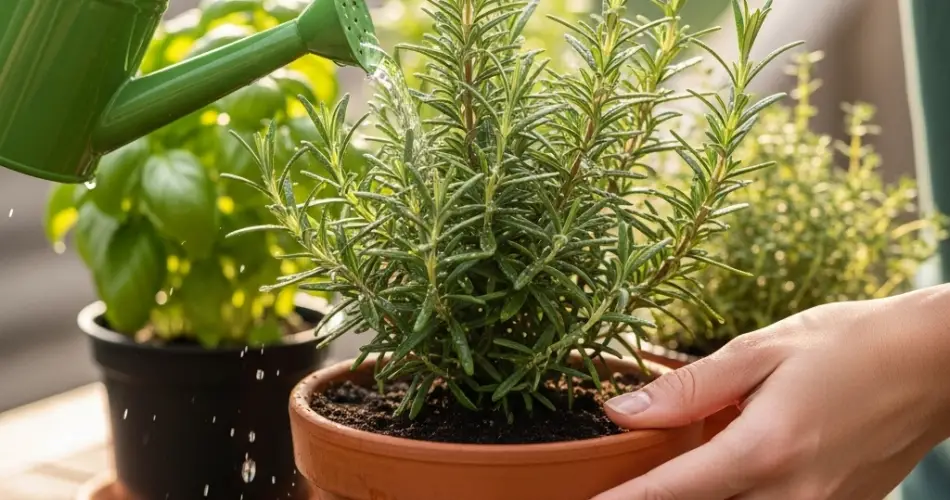
Rosemary is a beloved Mediterranean herb known for its fragrance, evergreen foliage, and culinary versatility. While it grows naturally in warm, sunny climates, rosemary adapts well to container gardening, making it an excellent choice for patios, balconies, and indoor spaces. However, growing rosemary in pots requires special attention to soil and watering, as these two factors determine whether the plant thrives or struggles.
This guide explains the best soil and watering practices to keep potted rosemary healthy, lush, and long-living.
Why Soil and Watering Matter for Potted Rosemary
Unlike plants grown in the ground, container-grown rosemary depends entirely on the conditions inside the pot. Soil structure and water management directly affect root health, foliage density, and overall productivity. Rosemary’s native habitat is dry, rocky, and well-drained, so replicating those conditions in a pot is the key to success. Overly rich soil or too much water can cause weak growth and root rot, while too little moisture can lead to leaf drop and stress.
Choosing the Right Soil Mix
The soil mix forms the foundation of rosemary care. Standard garden soil is usually too heavy for container use, so adjustments are necessary.
Characteristics of Ideal Soil
-
Light and well-draining: Rosemary dislikes soggy conditions. A mix that allows excess water to flow out quickly prevents root rot.
-
Slightly alkaline: Rosemary prefers soil with a pH between 6.5 and 7.5. If the mix is too acidic, adding a small amount of lime can help.
-
Nutrient-balanced: While rosemary is not a heavy feeder, it still needs basic nutrients to grow steadily.
Recommended Soil Blend
A reliable mix for rosemary pots includes:
-
2 parts standard potting mix
-
1 part coarse sand or perlite (for improved drainage)
-
1 part compost or well-rotted organic matter
This combination ensures that water drains efficiently while still providing enough structure and nutrients for root development.
Drainage: The Key to Success
No matter how good the soil is, poor drainage can quickly kill rosemary. Always choose a pot with several drainage holes. Placing a layer of gravel or broken clay pieces at the bottom can further prevent waterlogging. For gardeners in very humid regions, using unglazed terracotta pots helps wick away excess moisture and maintain healthier soil conditions.
Watering Rosemary in Pots
Watering is often the trickiest part of rosemary care. The plant prefers moderate watering, striking a balance between drought and saturation.
General Watering Guidelines
-
Check the soil: Insert a finger 2–3 cm into the soil. If it feels dry at that depth, it’s time to water.
-
Deep watering: When watering, soak the soil thoroughly until water drains out of the bottom. This encourages deep root growth.
-
Allow drying out: Let the top layer of soil dry before watering again. Consistently damp soil leads to root rot.
-
Seasonal adjustments:
-
Summer: Rosemary may need water two to three times per week in hot weather.
-
Winter: With slower growth, watering once every 7–10 days may be sufficient.
-
Indoor vs. Outdoor Watering
-
Outdoors: Monitor pots more frequently during hot spells, as containers dry out faster than garden beds.
-
Indoors: Be cautious of overwatering. Reduced airflow and less sunlight mean the soil retains moisture longer.
Signs of Improper Watering
Learning to read the plant’s signals helps adjust care before damage becomes severe.
-
Overwatering symptoms: Yellowing leaves, wilting despite wet soil, and a musty smell from the roots.
-
Underwatering symptoms: Drooping, dry leaves, and brittle stems. The plant may recover if watered promptly, but frequent stress weakens it over time.
Fertilizer and Soil Refreshing
While rosemary does not need heavy feeding, occasional fertilization supports steady growth in containers.
-
Use a balanced liquid fertilizer diluted to half strength every four to six weeks during the growing season.
-
Avoid high-nitrogen fertilizers, as these encourage leafy growth with reduced aroma and flavor.
-
Refresh the soil every two years by repotting and trimming any congested roots.
Practical Tips for Success
-
Use a pot at least 30 cm in diameter to prevent the soil from drying out too quickly.
-
Elevate the container slightly with pot feet or a plant stand to improve airflow and drainage.
-
Water in the morning so excess moisture evaporates during the day.
-
Avoid misting rosemary leaves—this can encourage fungal diseases.
-
Rotate the pot regularly so all sides of the plant receive equal sunlight, reducing uneven growth.
Conclusion
Growing rosemary in pots is rewarding, providing fresh herbs for cooking and a decorative touch to your garden or kitchen. The two most important factors for success are soil and watering. By using a light, well-draining soil mix and adopting careful watering habits, you can keep rosemary strong, bushy, and fragrant all year round. Whether indoors or outdoors, mastering these practices ensures that your rosemary remains a thriving, long-lasting feature of your container garden.


