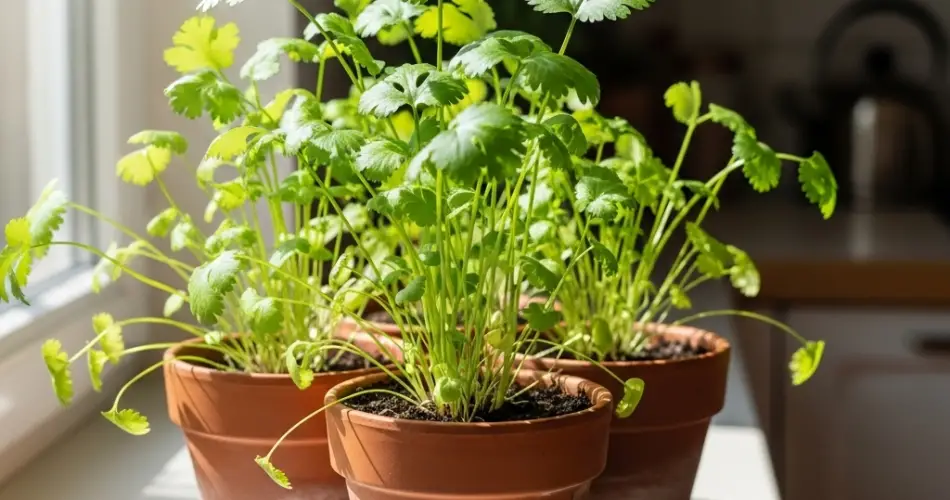
Cilantro is a popular culinary herb cherished for its fresh, citrusy leaves that add brightness to salads, curries, soups, and salsas. While it is easy to grow in containers, one of the most common challenges gardeners face is bolting. Bolting occurs when cilantro prematurely sends up a flower stalk, shifting its energy from producing lush leaves to producing seeds. Once this happens, the leaves become sparse and bitter, making the herb far less appealing for the kitchen.
Fortunately, there are several strategies that container gardeners can use to delay bolting and enjoy a steady harvest of flavorful cilantro leaves. With thoughtful planting, proper container care, and environmental adjustments, you can extend the productive life of your cilantro plants.
Understanding Why Cilantro Bolts
Cilantro is naturally a short-lived herb, and bolting is part of its life cycle. The plant tends to bolt in response to certain triggers, including:
-
Warm temperatures: Cilantro prefers cooler weather. When daytime temperatures consistently rise above 75°F (24°C), the plant is more likely to send up a flower stalk.
-
Day length: Longer summer days accelerate bolting, as the plant interprets extended sunlight as a signal to reproduce.
-
Stress conditions: Inadequate watering, poor soil, or overcrowding can stress cilantro and cause early bolting.
Understanding these factors is the first step toward preventing it.
Choosing the Right Container
Container size and type play a big role in cilantro’s longevity. Cilantro has a long taproot, so shallow pots can stunt its growth and increase stress. For best results:
-
Select a pot at least 12 inches deep to accommodate the root system.
-
Ensure the container has good drainage to prevent root rot.
-
Use lightweight pots if you want the flexibility to move them to shadier spots when temperatures climb.
A larger container also allows you to plant several cilantro seeds together, ensuring a fuller harvest.
Soil and Watering Practices
Cilantro thrives in well-draining, nutrient-rich soil. A good mix includes:
-
2 parts potting soil
-
1 part compost
-
1 part perlite or coarse sand for drainage
Consistent moisture is crucial for preventing stress, but avoid waterlogging. The soil should feel damp to the touch but not soggy. Using mulch, such as straw or shredded leaves, helps retain soil moisture and keeps roots cooler during warm days.
Temperature and Light Management
Since heat and long days trigger bolting, managing cilantro’s growing environment is essential.
-
Ideal temperature range: Cilantro prefers cooler temperatures, ideally between 50–70°F (10–21°C).
-
Sunlight needs: Cilantro grows best with 4–5 hours of direct sunlight daily. In hot climates, provide partial shade during the afternoon to reduce heat stress.
-
Indoor growing: If outdoor conditions are too warm, consider moving containers indoors near a bright window or under grow lights to extend the growing season.
Positioning containers so they can be shifted between sun and shade is one of the simplest yet most effective ways to slow bolting.
Succession Planting for Fresh Harvests
Even with the best care, cilantro will eventually bolt. To ensure a continuous supply, practice succession planting:
-
Sow new seeds every 2–3 weeks in separate containers.
-
Staggering plantings guarantees that when one batch bolts, another is ready for harvest.
This method ensures you always have fresh cilantro leaves available, rather than facing gaps between harvests.
Harvesting Techniques to Delay Bolting
The way you harvest cilantro can influence how long the plant remains productive.
-
Pinch regularly: Start harvesting when plants are 6 inches tall. Snip the outer leaves first, leaving the inner ones to continue growing.
-
Avoid cutting too much at once: Never remove more than one-third of the plant at a time.
-
Trim flower stalks: If you notice the beginnings of a flower stalk, cut it back immediately to encourage the plant to redirect energy into foliage.
Frequent harvesting not only provides a steady supply of leaves but also keeps plants bushier and less likely to bolt prematurely.
Choosing Slow-Bolting Varieties
Not all cilantro plants are the same. Some varieties have been bred specifically to resist bolting and are better suited for container gardening. Look for varieties labeled “slow-bolting” or “long-standing.” These cultivars are more tolerant of warm weather and tend to remain leafy longer before producing flowers.
Making Use of Bolted Cilantro
Even if your cilantro eventually bolts, it doesn’t mean the plant is useless. The flowers attract pollinators, and the seeds—known as coriander—are a valuable spice in cooking. Harvest the seeds once they dry on the plant, and use them in breads, curries, or spice mixes. This way, you get double the benefit from your cilantro crop.
Final Thoughts
Preventing cilantro from bolting in containers comes down to providing the right growing conditions and planning ahead. By using deep containers, keeping the soil consistently moist, protecting plants from excessive heat, and practicing succession planting, you can enjoy fresh, flavorful leaves for longer. Even when bolting eventually happens, your effort won’t go to waste since the seeds can be harvested as coriander.
Container-grown cilantro may be a short-lived herb, but with these techniques, you can make the most of its season and enjoy a steady supply of this versatile kitchen favorite.


