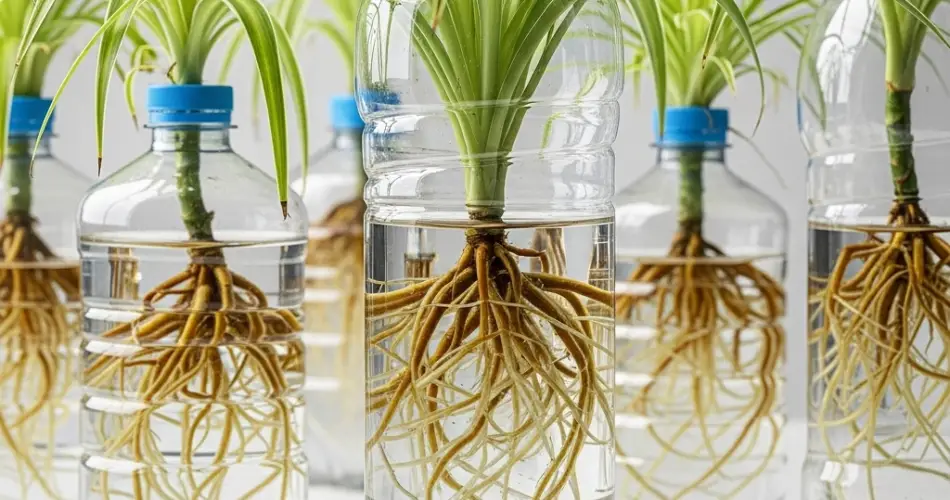
Spider plants (Chlorophytum comosum) are among the most adaptable houseplants, and they thrive just as beautifully in water as they do in soil. Their graceful arching leaves and ability to produce baby offshoots, or “pups,” make them ideal for hydroponic growing. Even better, you can set up a hydroponic system using recycled plastic bottles, turning an everyday item into a functional, sustainable planter.
Using plastic bottles for hydroponics not only reduces waste but also allows you to grow healthy spider plants with minimal mess and maintenance. Whether you’re propagating pups or keeping a mature plant in water long-term, this method is efficient, space-saving, and aesthetically pleasing.
Why Grow Spider Plants Hydroponically?
Spider plants naturally grow well in hydroponic environments. Their roots don’t mind being submerged in water as long as it’s kept clean and oxygenated. Hydroponic growing offers several benefits:
-
No soil required – clean and mess-free
-
Reduces watering mistakes – no overwatering or dry soil
-
Monitors root health easily – transparent bottles make roots visible
-
Ideal for small spaces – great for desks, windowsills, or tight indoor areas
-
Eco-friendly – reuses plastic bottles and cuts down on pot purchases
This system works especially well for indoor gardeners who want a low-maintenance plant display that still looks elegant and lush.
What You’ll Need
-
A spider plant pup or small mature spider plant
-
A clean, transparent plastic bottle (1-liter size is ideal)
-
Scissors or a utility knife
-
Filtered or dechlorinated water
-
Optional: activated charcoal to keep water clean
-
Optional: pebbles or decorative stones
-
Bright, indirect light source
Step 1: Prepare the Bottle
Start by choosing a plastic bottle that fits the size of your spider plant cutting.
-
Cut the bottle about one-third from the top.
-
Invert the top part (with the cap removed) and place it upside-down into the bottom part. This will act as a support funnel for the plant, holding the base above the water while the roots dangle down.
-
If needed, widen the neck to make room for the plant’s base.
-
Make sure the edges are smooth—use sandpaper or gently melt them to prevent scratching the plant.
-
You can decorate the bottle’s exterior with string, twine, or paint for a cleaner look.
This two-piece setup creates a simple passive hydroponic system, keeping the plant supported while allowing air circulation around the base.
Step 2: Prepare the Spider Plant
Choose a spider plant baby (pup) with a few visible root nubs or a healthy small plant.
-
Rinse the base gently under water to remove any soil.
-
Remove any damaged or dying leaves.
-
If propagating a pup, ensure the root node is intact—this is where new roots will sprout.
-
If using a mature plant, trim the roots slightly to encourage new hydroponic growth.
Step 3: Assemble the Hydroponic Setup
-
Fill the bottom part of the bottle with room-temperature filtered or dechlorinated water.
-
Optional: Add a small amount of activated charcoal to help prevent bacterial growth and algae.
-
Insert the spider plant through the inverted top funnel so the base rests just above the water, and roots or root nubs touch or dangle into the water.
-
Ensure leaves are not submerged—only the root area should be in contact with water.
Step 4: Provide the Right Conditions
Spider plants grown hydroponically need the same light and temperature conditions as soil-grown ones:
-
Place the bottle near a window with bright, indirect light.
-
Avoid direct midday sunlight, which can overheat the water and stress the plant.
-
Keep indoor temperatures between 65–75°F (18–24°C).
-
Avoid cold drafts and extreme heat sources like radiators.
Step 5: Maintain the Hydroponic System
To keep your spider plant healthy in water:
-
Change the water every 7–10 days. This prevents algae and provides fresh oxygen.
-
Rinse the container and plant base during each water change.
-
Check for root rot—cut off any slimy or dark roots.
-
Top off water as needed to keep the roots submerged.
Spider plants in water usually develop roots quickly—within a couple of weeks. Once established, they can continue growing in water indefinitely if well maintained.
Decor and Display Tips
-
Use colored bottles for a more striking display or to protect roots from light.
-
Add decorative pebbles to the bottom section of the bottle.
-
Line up multiple bottle-grown spider plants on a shelf for a mini indoor hydroponic garden.
-
Use wire or macramé to hang bottles vertically for a living wall effect.
Because spider plants can produce multiple pups over time, you can use this setup to propagate and display an entire collection with just a few reused bottles.
Common Issues and Solutions
-
Yellowing leaves: Usually a sign of too much direct sunlight or poor water quality. Move to a shadier spot and refresh the water.
-
Slimy or brown roots: Indicates root rot—remove affected roots, clean the bottle, and replace the water more frequently.
-
Algae growth: Prevent with darker bottles, regular water changes, and activated charcoal.
Final Thoughts
Hydroponically growing spider plants in reused plastic bottles is a smart, sustainable way to bring greenery into your home. It’s ideal for those who want low-maintenance indoor plants with a modern, clean look. With just water, light, and a little care, your spider plant will flourish—proving that even a simple plastic bottle can be transformed into a thriving hydroponic home.
Whether you’re new to gardening or simply looking for eco-friendly ways to display plants, this method combines ease, elegance, and environmental responsibility in one refreshing solution.


