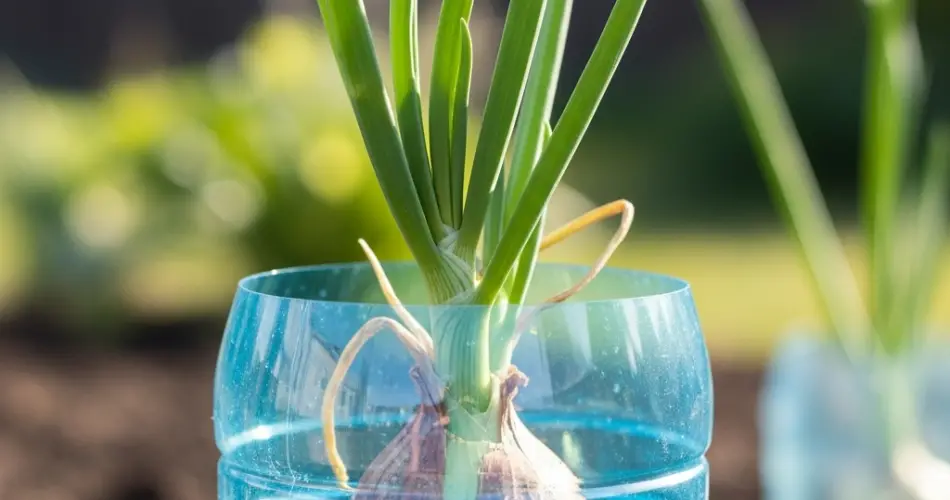
If you’re looking for a space-saving, low-cost way to grow onions at home, plastic bottle gardening is a great solution. With just a few recycled bottles and some basic materials, you can enjoy a continuous supply of fresh green onions or bulbs, even if you don’t have access to a traditional garden. Whether placed on a windowsill, balcony, or small patio, bottle-grown onions can thrive with minimal effort. Here’s a complete guide to growing onions in plastic bottles—perfect for beginners and urban gardeners alike.
Why Grow Onions in Bottles?
Onions are one of the easiest crops to grow, and they’re incredibly versatile in the kitchen. Growing them in bottles offers several benefits:
-
Reuses plastic waste and supports sustainable gardening
-
Takes up little space, making it ideal for apartments
-
Produces both green tops and bulbs for multiple harvest options
-
Easy to manage with minimal tools and maintenance
By using plastic bottles, you not only reduce environmental waste but also create a compact and productive mini-garden.
What You’ll Need
Before starting, collect these materials:
-
Clean 1.5L or 2L plastic bottles (preferably transparent)
-
Sharp scissors or utility knife
-
Onion sets or sprouting onion bulbs
-
Potting mix or compost-rich soil
-
Watering can or spray bottle
-
Small trowel or spoon
-
String or wire (if hanging bottles vertically)
If you’re reusing onion bulbs from the kitchen, make sure they show small green shoots emerging from the top.
Preparing the Bottles
There are two main planting styles for onions in bottles: vertical stacking and horizontal planters.
Vertical Style (Great for Green Onions):
-
Cut off the top third of the bottle and save the cap.
-
Poke several holes around the sides of the bottle using scissors or a knife—these holes will hold individual onion bulbs.
-
Poke a few small drainage holes at the bottom of the bottle.
-
Begin layering soil and onions: place soil up to the first row of holes, insert bulbs with green shoots facing out, then continue filling soil and inserting bulbs up each layer.
-
Place the top part of the bottle back as a funnel or watering guide.
-
Position the bottle in a sunny spot or hang it using string or wire.
Horizontal Style (Best for Bulb Onions):
-
Cut a rectangular window on the side of the bottle to create a planting bed.
-
Add drainage holes to the bottom.
-
Fill the bottle with potting mix and plant onion bulbs about 1 inch deep, spaced 2–3 inches apart.
-
Place the bottle in a bright location with good airflow.
Planting the Onions
-
For green onions: use small onion sets or sprouting bulbs with green shoots.
-
For bulb onions: use mature sets or bulbs with a firm base.
-
Insert the onion so that the top or green shoot remains exposed above the soil.
-
Gently water the soil after planting, ensuring even moisture without saturation.
Onions prefer 6–8 hours of sunlight per day. South-facing windows or sunny balconies are ideal locations.
Caring for Bottle-Grown Onions
Watering:
Keep the soil consistently moist but not waterlogged. Bottles dry out faster than traditional pots, so check the moisture level daily, especially during hot weather.
Feeding:
Apply a diluted liquid fertilizer or compost tea every two weeks to encourage healthy top and root growth. Fish emulsion or seaweed extract are excellent organic options.
Pruning:
For green onions, you can begin trimming the green tops once they reach about 6 inches. Leave at least 2 inches so the plant can regrow.
Harvesting Tips
For Green Onions:
-
Harvest the greens once they are tall and thick enough for use.
-
Snip off the top leaves with scissors and allow regrowth.
-
You can enjoy multiple harvests from the same bulbs.
For Bulb Onions:
-
Wait until the greens start to yellow and flop over.
-
Carefully loosen the soil and lift the bulbs.
-
Let them cure in a dry, shady area for several days before storing.
Regular harvesting keeps the plant productive. If your onions start to flower (bolt), the bulb may stop growing, so it’s best to harvest immediately.
Pests and Problems
Onions are generally pest-resistant, but occasionally, you might encounter:
-
Aphids or thrips – Rinse with water or spray neem oil.
-
Fungal issues – Avoid overwatering and improve ventilation.
-
Rotting bulbs – Ensure good drainage and avoid planting damaged sets.
Growing onions in bottles keeps them elevated and away from most soil-borne pests, making maintenance easier.
Regrow From Kitchen Scraps
You can regrow green onions from the white root ends of ones you’ve used in the kitchen. Simply place the root ends in a bottle with moist soil, and new green shoots will appear within days.
Final Thoughts
Bottle gardening is a practical and eco-conscious way to grow onions year-round, even in the smallest spaces. With just a few repurposed materials and a little care, you can enjoy the satisfaction of harvesting your own fresh onions from a windowsill or balcony. Whether you’re aiming for crisp green tops or full bulbs, plastic bottle onion gardening offers a fun and rewarding experience for all skill levels.


