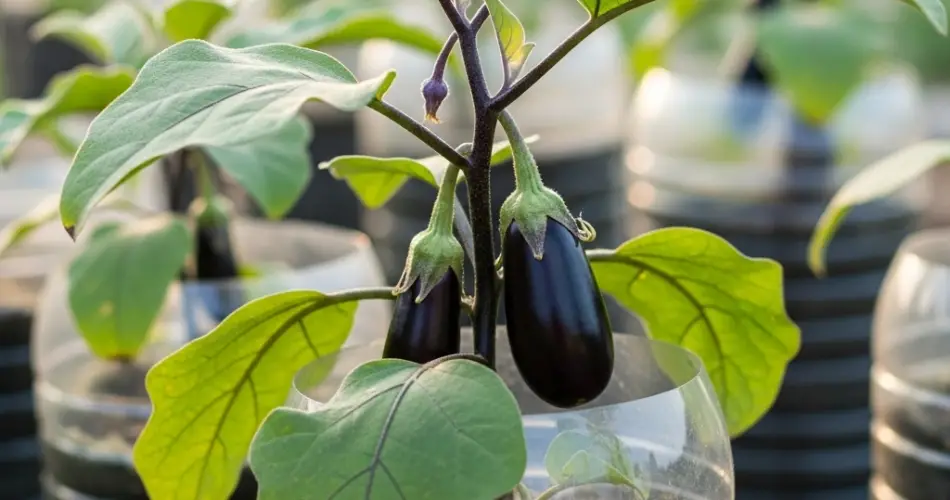
Eggplants, also known as aubergines, are nutritious, versatile vegetables that can be grown easily at home—even if you don’t have a large garden. One of the most budget-friendly and space-saving ways to grow them is by using recycled plastic bottles. This simple method transforms everyday waste into productive planters, helping you reduce your carbon footprint while producing fresh food.
With the right variety, soil mix, and sunlight, eggplants can thrive in containers as small as 5-liter plastic bottles. Whether you live in a small apartment or just want to garden economically, this guide will help you grow healthy eggplants without spending much.
Why Choose Bottle Gardening for Eggplants?
Plastic bottle gardening is ideal for people with limited space or those looking to grow vegetables in a sustainable, low-cost way. Eggplants are well-suited for containers because they don’t need sprawling roots, and they respond well to vertical gardening techniques.
This method:
-
Repurposes waste materials
-
Saves space
-
Is cost-effective
-
Makes maintenance easier
-
Produces fresh, pesticide-free vegetables
Materials You Will Need
To get started, you’ll need:
-
5-liter or larger plastic bottles (water, juice, or cooking oil containers work well)
-
Sharp knife or scissors
-
Nail or screwdriver (for making holes)
-
Good-quality potting mix with compost
-
Eggplant seeds or seedlings (compact varieties are best)
-
A sunny location
-
String, wire, or plant supports
-
Watering can or spray bottle
Optional: charcoal or small stones for drainage at the bottom of the bottle
Preparing the Bottle Planter
-
Clean the Bottle
Remove any labels and rinse the bottle thoroughly. Let it dry completely before cutting. -
Cut an Opening
If placing the bottle vertically, cut off the top portion to create a wide mouth for planting. If using a horizontal layout, cut a rectangular opening along one side, leaving enough space for the soil and plant to stay secure. -
Make Drainage Holes
Poke 4–6 small holes at the bottom of the bottle to allow excess water to drain out and prevent root rot. -
Set Up for Hanging or Placement
If you plan to hang your bottle, poke two holes near the top to insert string or wire. Otherwise, place the bottles on a stable surface where they can drain freely.
Filling with Soil and Planting
-
Add Drainage Layer (Optional)
Place a thin layer of small stones or charcoal at the bottom for better drainage and to prevent odor buildup. -
Fill with Potting Mix
Use a light, well-draining potting mix enriched with compost. Eggplants are heavy feeders, so ensure the soil is rich in organic matter. -
Plant the Seeds or Seedlings
If using seeds, sow 2–3 per bottle and thin to one healthy seedling after sprouting. If using seedlings, plant one per bottle and press the soil gently around the roots. -
Water Lightly
Moisten the soil without soaking it. Keep the bottle in a warm place to encourage germination or root establishment.
Caring for Bottle-Grown Eggplants
-
Sunlight Needs
Eggplants require at least 6–8 hours of direct sunlight daily. Place your bottles in a sunny window, balcony, or patio. Rotate regularly for even growth. -
Watering Routine
Bottles dry out faster than garden beds, so check soil moisture daily. Water when the top inch feels dry. Ensure water drains freely. -
Fertilizing
Apply a balanced liquid fertilizer every 2–3 weeks. Once flowering starts, switch to a fertilizer higher in potassium and phosphorus to support fruit development. -
Support the Plants
As the plant grows and starts producing fruit, it may need support. Use bamboo sticks, stakes, or string to tie the plant gently and prevent it from toppling over. -
Pruning
Remove lower leaves or suckers to promote better airflow and stronger growth. Prune excess branches to keep the plant compact. -
Pollination
Outdoors, pollinators will do the job. Indoors, you can hand-pollinate flowers by gently brushing the inside of one flower and transferring pollen to another.
Harvesting Your Eggplants
Eggplants are usually ready for harvest 60–80 days after transplanting. Pick fruits when they are glossy, firm, and the right size for the variety. Use scissors or a knife to cut the fruit, leaving a short stem attached.
Harvesting regularly encourages the plant to keep producing throughout the season.
Tips for Best Results
-
Use compact varieties like ‘Little Fingers’, ‘Patio Baby’, or ‘Fairy Tale’ for smaller containers.
-
Mulch the top of the soil with dried leaves or straw to retain moisture.
-
Clean and reuse the soil by amending it with compost for the next planting cycle.
-
Try staggered planting every 2–3 weeks for a continuous harvest.
Conclusion
Bottle-grown eggplants are a perfect solution for urban gardeners, budget-conscious households, and sustainability enthusiasts. With minimal investment, you can turn waste materials into productive mini gardens. As long as you provide enough sunlight, nutrients, and care, your eggplants will reward you with fresh, homegrown produce—straight from a recycled container.


