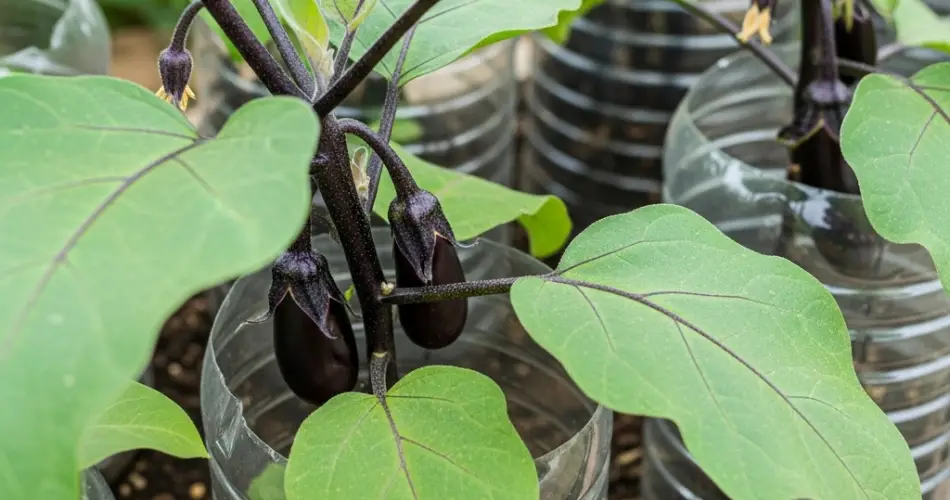
Growing your own eggplants doesn’t require a garden or a large backyard. With a bit of creativity and care, you can successfully grow these nutritious vegetables in reused plastic bottles. This method not only makes the most of limited space but also gives new life to waste materials, offering an eco-friendly way to enjoy fresh produce right at home.
Eggplants are heat-loving vegetables that thrive in containers, provided they receive enough sun and nutrients. Using plastic bottles as planters helps maximize space, reduce plastic waste, and bring the joy of gardening into even the smallest homes or apartments.
Why Grow Eggplants in Bottles?
Eggplants are perfect for container gardening because they develop deep roots and don’t require much lateral space. While traditional pots work well, reusing plastic bottles makes this practice both economical and sustainable. Bottles are lightweight, widely available, and can be shaped to fit vertical or horizontal arrangements.
Bottle gardening is ideal for balconies, window sills, patios, or small indoor spaces. Plus, watching your plants thrive in something you recycled adds a rewarding, hands-on touch to the gardening process.
What You’ll Need
To get started with growing eggplants in bottles, gather the following materials:
-
2-liter plastic bottles (transparent or lightly tinted)
-
Sharp scissors or utility knife
-
Nail or screwdriver for drainage holes
-
Potting soil rich in compost or organic material
-
Eggplant seeds or healthy seedlings
-
Spoon or small trowel
-
String or wire (if hanging bottles vertically)
-
Watering can or spray bottle
Choose eggplant varieties suited to container growing, such as compact or dwarf types. These will grow better in limited spaces than traditional large varieties.
Preparing the Bottle Planters
-
Clean the bottles thoroughly to remove any residues.
-
Cut an opening on the side of the bottle (for horizontal growing) or near the neck (for vertical growing). This will serve as the planting area.
-
Puncture drainage holes at the bottom using a heated nail or screwdriver. This prevents excess water from pooling and causing root rot.
-
Fill the bottle with potting mix up to about 1 inch from the top.
-
Moisten the soil before planting your seeds or seedlings.
For horizontal containers, lay the bottle on its side and cut a wide window across the top. For vertical setups, cut the upper portion off to create a deep planter and add string or wire if you want to hang it.
Planting Eggplant Seeds or Seedlings
If using seeds:
-
Plant 1–2 seeds about ½ inch deep in the center of the soil.
-
Water gently and keep the soil moist.
-
Germination occurs in 7–14 days in warm conditions.
If using seedlings:
-
Dig a small hole in the soil with a spoon or trowel.
-
Place the seedling in the hole and cover the roots gently with soil.
-
Press lightly to secure the plant and water thoroughly.
Eggplants prefer full sun, so place the bottles in a spot that receives at least 6–8 hours of direct light each day.
Caring for Your Bottle-Grown Eggplants
Watering:
Keep the soil consistently moist, but avoid overwatering. Since bottles dry out more quickly than larger containers, check soil moisture daily—especially during hot weather.
Feeding:
Eggplants are heavy feeders. Use a balanced liquid fertilizer every two weeks or mix in compost tea to support growth and fruit production.
Staking:
As the plant grows and begins to fruit, it may become top-heavy. Insert a small bamboo stick or skewer into the bottle to support the plant, tying the main stem gently with soft string.
Pollination:
In indoor settings or when there are few pollinators, gently shake the flowering stems or use a small brush to transfer pollen between blossoms.
Pests and Disease Prevention
Common pests include aphids, spider mites, and flea beetles. Monitor the plants regularly and remove any pests by hand or with a strong jet of water. You can also apply a mild insecticidal soap or neem oil.
To reduce the risk of fungal diseases, ensure good air circulation and avoid wetting the leaves during watering.
Harvesting Eggplants
Eggplants are typically ready for harvest 60–80 days after planting, depending on the variety. Harvest when the fruits are glossy, firm, and reach their ideal size.
-
Use a clean knife or scissors to cut the stem about an inch above the fruit.
-
Do not wait too long—overripe eggplants become bitter and lose their smooth texture.
Regular harvesting encourages the plant to produce more fruit.
Replanting and Rotating
Once the season ends, clean the bottles and refresh the soil before planting again. You can continue growing more eggplants or rotate with other vegetables such as peppers or leafy greens to maintain healthy soil and prevent pest buildup.
Growing eggplants in reused plastic bottles is an excellent way to reduce waste and enjoy fresh, homegrown produce without needing a garden. This method is simple, sustainable, and perfect for gardeners of all levels. With just a few tools and some dedication, your reused bottles can become a thriving mini-farm for delicious eggplants.


