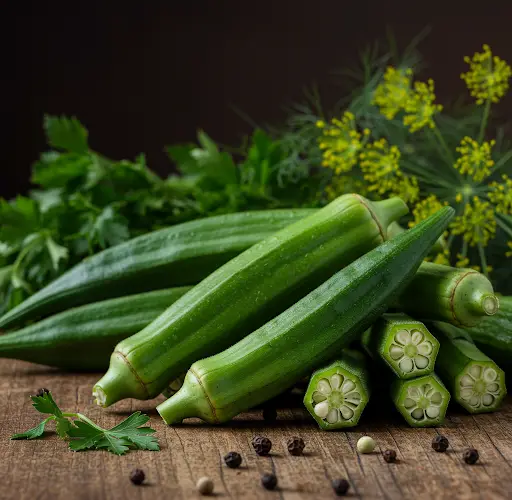
Planting okra at home is a simple and rewarding process, and with the right tips and techniques, you can grow plenty of healthy and productive plants. In this guide, I will show you how to successfully plant and care for okra, whether you’re working in a garden bed or using containers. This method works year-round, so you can enjoy fresh okra throughout the seasons.
Choosing the Right Seeds
The first step in planting okra is selecting good-quality seeds. Not all seeds will germinate successfully, so it’s important to choose the best ones. To test your seeds, gently press each one between your fingers. If the seed feels soft or mushy, it is likely not viable. Discard any seeds that feel squishy or weak, as they won’t sprout. Use only firm, healthy seeds for planting.
Preparing the Soil
Once you have your seeds, the next step is to prepare the soil. Okra grows best in well-drained, fertile soil. If you’re planting in a garden, use the soil from your garden bed, or if you’re using a container, buy good-quality potting soil. Adding organic matter, such as compost or well-aged manure, to the soil will provide essential nutrients that support healthy growth.
Mixing in manure, especially cow or chicken manure, will help improve soil fertility. The more manure you add, the richer the soil will be, promoting better growth and fruit production. Stir the soil thoroughly to ensure the organic matter is evenly distributed.
Planting the Okra
After preparing the soil, it’s time to plant your seeds. Create small holes about half an inch deep in the soil, spacing them a few inches apart. Place 2-3 seeds in each hole to ensure successful germination. Cover the seeds with a thin layer of soil and gently press down to secure them. After planting, water the soil lightly to keep it moist but not soaked.
Within about one to two weeks, you should see the seeds start to germinate. The young okra plants will grow quickly if the conditions are right. Ensure they have plenty of sunlight, as okra thrives in warm conditions. If you are planting indoors or in a location that doesn’t get enough natural sunlight, consider moving your plants to a sunnier spot.
Caring for Your Okra Plants
Okra plants require a minimum of 4-5 hours of direct sunlight each day to thrive. If you’re planting them indoors or in a shaded area, your okra plants might not do well. Inadequate sunlight will cause the leaves to become pale and weak, and your plants may become susceptible to pests and diseases. Okra plants are quite hardy, but they need plenty of light to grow strong and healthy.
Water your okra plants regularly, keeping the soil consistently moist. However, be cautious not to overwater, as this can lead to root rot. If you’re growing okra outdoors, allow natural rainfall to take care of most of the watering. In dry spells, water the plants deeply to keep the soil moist.
Fertilizing and Feeding
To keep your okra plants growing vigorously, it’s important to feed them with the right nutrients. About once every two weeks, apply a small amount of organic fertilizer to the soil. You can use compost, aged manure, or a balanced organic fertilizer. This will help your plants produce healthy leaves and flowers, which will eventually turn into okra pods.
Harvesting Your Okra
Okra plants are typically ready to harvest around 65-85 days after planting, depending on the variety and growing conditions. When the pods are still tender and the size is right, they are ready to be picked. If you leave them too long, the pods can become tough and fibrous.
To harvest, simply cut the pods off the plant with a sharp knife or scissors. Be sure to pick the pods regularly to encourage the plant to produce more. The more you harvest, the more your okra plant will continue to produce.
Troubleshooting and Tips
If your okra isn’t producing as much as you’d like, check the growing conditions. Ensure your plants are getting enough sunlight and that the soil is well-drained and rich in nutrients. Also, be mindful of pests, as aphids and other insects can damage your plants. If you notice pests, treat your plants with an organic pesticide or neem oil.
Conclusion
Planting and growing okra at home is a simple process that anyone can do with a little preparation and care. By following the right steps and ensuring your plants get the care they need, you can enjoy a healthy and productive okra crop throughout the year. Whether you’re growing okra in a garden or in containers, this vegetable is easy to grow and will provide you with delicious, homegrown produce.


