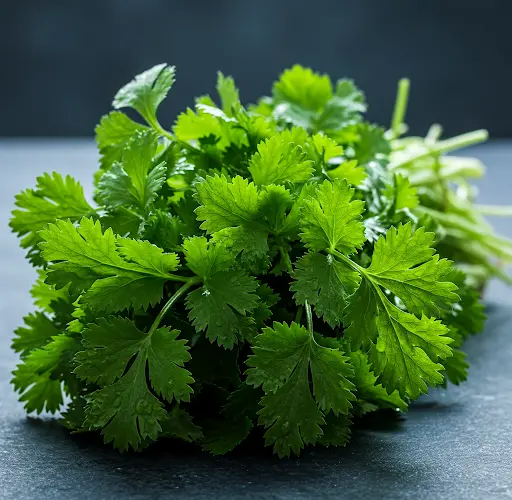
Here’s how you can easily grow cilantro at home without ever having to buy it again. Cilantro is a popular herb used in many dishes, but what if I told you that you could have it growing right in your own garden without the need to keep purchasing it from the market? In this article, I’ll show you how to grow your own cilantro from the roots of store-bought cilantro bunches, making it easy and cost-effective to have fresh cilantro on hand whenever you need it.
What You’ll Need:
-
A bunch of cilantro with roots (ensure that the cilantro you buy has roots attached)
-
A container (pot or planter) that holds about 2 to 5 liters of soil
-
Pebbles for drainage
-
Good quality soil (black soil or garden soil)
-
Fertilizer (manure or compost)
-
Water and a shady spot for germination
Step-by-Step Guide:
-
Buying Cilantro: Start by heading to the supermarket or a local market and purchasing fresh cilantro. When selecting cilantro, ensure that the bunch has roots attached. The roots are essential for regrowing cilantro, so make sure to choose one that looks fresh and healthy.
-
Preparing the Cilantro: Once you have your cilantro, take it home and separate the stems with roots. Cut off the stems just above the roots, leaving the root section intact. You can use the cut-off stems in your cooking, so no part of the cilantro goes to waste.
-
Preparing the Container: Choose a container or pot that can hold around 2 to 5 liters of soil. The container should have drainage holes to prevent water from accumulating at the bottom, which could cause the roots to rot. Place some pebbles or small stones at the bottom of the pot for better drainage.
-
Soil Preparation: Fill the container halfway with good quality soil. You can use garden soil or black soil from your backyard. On top of the soil, add some manure, such as cow or chicken manure, to enrich the soil. You can also use organic compost. Mix everything thoroughly to create a well-prepared, nutrient-rich soil base for the cilantro to grow in.
-
Planting the Cilantro: Take the cilantro roots that you’ve separated from the stems and carefully trim the root ends. This helps promote the growth of new roots. Place the roots in the container, ensuring they are well spread out, and then cover them lightly with soil. Press the soil gently to secure the roots.
-
Watering: Water the cilantro gently right after planting. Be careful not to overwater, as cilantro doesn’t like to sit in wet soil. Water it daily, but make sure the soil has good drainage. It’s important to keep the soil moist, but not soggy.
-
Germination and Growth: Place the container in a shaded area for the first week or two. Cilantro needs a little time to adjust and germinate, so keeping it in the shade will prevent the young plants from drying out too quickly. Avoid direct sunlight during this early phase.
-
Sun Exposure: After about one to two weeks, you should start to see small green shoots emerging from the soil. Once the cilantro has germinated and the young plants are showing growth, move the container to a spot with indirect sunlight. After a week or so, you can start exposing the plants to some morning sunlight, but avoid the harsh midday sun. Cilantro thrives in mild sunlight, so make sure the plants are not exposed to direct sunlight for too long.
-
Ongoing Care: Keep watering the cilantro as needed, but again, avoid overwatering. The soil should remain moist but not waterlogged. Cilantro prefers cooler temperatures and may start to bolt (flower) in hot weather, which can cause the leaves to lose flavor. Harvest your cilantro leaves regularly to encourage new growth and prevent bolting.
-
Harvesting: After about 25 to 35 days, your cilantro will be ready for harvest. You’ll notice that the leaves have developed into a fresh, vibrant green color. At this point, you can begin picking the leaves for use in cooking. Simply snip off the outer leaves and allow the inner leaves to continue growing.
Benefits of Growing Your Own Cilantro:
-
Cost Savings: By growing cilantro at home, you no longer need to buy it from the store, saving money in the long run.
-
Freshness: You’ll always have access to fresh cilantro, and you can harvest it as needed.
-
Organic: Growing your own cilantro allows you to ensure it’s free from chemicals and pesticides.
-
Sustainability: Growing herbs at home is an environmentally friendly practice that reduces waste and packaging.
In conclusion, growing cilantro at home is simple, cost-effective, and rewarding. By following these steps, you can have an endless supply of fresh cilantro without the need to buy it again. It’s a perfect addition to your home garden, and you’ll be amazed at how easy it is to grow. Just remember to care for your cilantro by providing it with the right amount of water, sunlight, and proper soil conditions, and you’ll be able to enjoy fresh herbs all year round.


