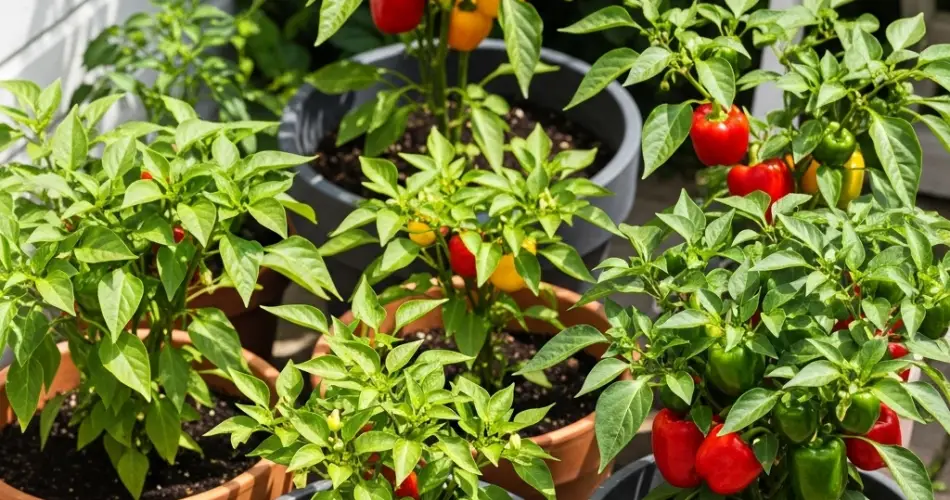
Peppers are a versatile and colorful addition to any home garden, and they grow exceptionally well in containers. Whether you prefer sweet bell peppers or spicy chili varieties, growing peppers in pots allows for flexible gardening even in small spaces like balconies, patios, or sunny windowsills. With proper care, potted peppers can yield a bountiful harvest and add vibrant beauty to your home.
Container gardening also gives you greater control over soil quality, pests, and watering—making it an excellent method for growing healthy, productive pepper plants. This guide will walk you through the essentials of cultivating perfect peppers in pots, from choosing the right variety to harvesting flavorful fruits.
Why Grow Peppers in Pots?
Growing peppers in containers offers several benefits:
-
Space-saving: Ideal for apartment dwellers or those with limited yard space.
-
Mobility: Easily move pots to catch sunlight or protect from harsh weather.
-
Pest management: Fewer soil-borne issues and easier to monitor for pests.
-
Extended growing season: Pots can be moved indoors or to warmer spots to continue producing longer.
-
Soil control: Customize your soil mix for optimal growth.
With just a few pots and some care, you can grow peppers that rival those in traditional garden beds.
Choosing the Right Pepper Variety
Almost all pepper varieties can grow in pots, but some are better suited for container life due to their compact growth habits. Here are a few great choices:
Sweet Peppers
-
California Wonder: Classic bell pepper with thick walls and mild flavor.
-
Mini Bell: Compact and prolific, great for smaller pots.
-
Sweet Banana: Elongated and sweet, perfect for frying or pickling.
Hot Peppers
-
Jalapeño: Moderate heat and ideal for stuffing or fresh use.
-
Cayenne: Slim, spicy peppers that grow well in containers.
-
Habanero: Very hot with fruity notes; best for experienced heat lovers.
-
Thai Chili: Small, fiery, and perfect for compact pots.
Choose a variety based on your flavor preference, heat tolerance, and container size.
Selecting the Right Container
Peppers have deep roots and require adequate space to thrive. Use:
-
Size: A container at least 12–14 inches (30–35 cm) deep and wide for one plant.
-
Material: Plastic, terracotta, ceramic, or fabric grow bags—all work as long as they have good drainage holes.
-
Drainage: Ensure the pot allows excess water to escape, as peppers dislike soggy roots.
Larger containers retain moisture better and allow for stronger root systems, resulting in healthier plants and more fruit.
Soil and Fertilizer
Peppers love rich, well-draining soil. Use a mix that includes:
-
2 parts high-quality potting mix
-
1 part compost or aged manure
-
Optional: A small amount of perlite or sand to improve drainage
Mix in a slow-release fertilizer at planting time. As the plants grow, feed them every 2–3 weeks with a balanced liquid fertilizer or one high in potassium once flowering begins. This encourages strong fruit development.
Planting Your Peppers
-
Transplant Carefully: If starting with nursery seedlings, plant them at the same depth as in their original container.
-
Spacing: If your container is large enough for more than one plant, space them at least 12 inches apart.
-
Water In: Water thoroughly after planting to help settle the soil around the roots.
Sunlight and Temperature
Peppers are sun-lovers and need 6–8 hours of direct sunlight daily. Position your containers in the brightest spot possible.
Peppers thrive in temperatures between 70–85°F (21–29°C) during the day and above 55°F (13°C) at night. In cooler climates, consider using black containers to retain heat or move pots indoors during chilly weather.
Watering and Maintenance
-
Consistent Moisture: Water regularly, keeping the soil evenly moist but not soggy.
-
Mulch: Add a layer of straw or dried leaves on top of the soil to retain moisture and suppress weeds.
-
Staking: Support taller or fruit-heavy plants with stakes or small cages.
-
Pruning: Pinch off early flowers to encourage more foliage growth and stronger root development. Remove yellowing leaves as needed.
Pollination
Peppers are self-pollinating but benefit from a little help. Outdoors, bees and wind assist with pollination. Indoors or in sheltered spaces, gently shake the plant or use a soft brush to transfer pollen between flowers.
Pest and Disease Control
Keep an eye out for:
-
Aphids and whiteflies: Spray with water or neem oil.
-
Spider mites: Increase humidity or use insecticidal soap.
-
Fungal diseases: Avoid overhead watering and ensure good airflow.
Remove any infected leaves promptly to prevent the spread of disease.
Harvesting Peppers
Peppers are usually ready to harvest 60–90 days after transplanting, depending on the variety. You can pick them green or wait until they ripen to red, orange, yellow, or purple for full flavor.
Use scissors or pruning shears to cut the fruit cleanly, leaving a short stem attached. Harvesting regularly encourages the plant to keep producing.
Final Tips for Success
-
Rotate containers every few days to ensure even sunlight exposure.
-
Avoid overwatering—use your finger to check moisture before watering again.
-
Replenish soil between growing seasons or refresh the top few inches with compost.
-
Save seeds from heirloom varieties for future planting.
Conclusion
Peppers are among the most rewarding plants to grow in pots. Whether you enjoy the sweetness of bell peppers or the bold heat of chilis, growing them in containers gives you flexibility, convenience, and beauty. With the right soil, light, and care, your potted peppers can thrive in any space—bringing vibrant color and fresh flavor straight to your kitchen.


