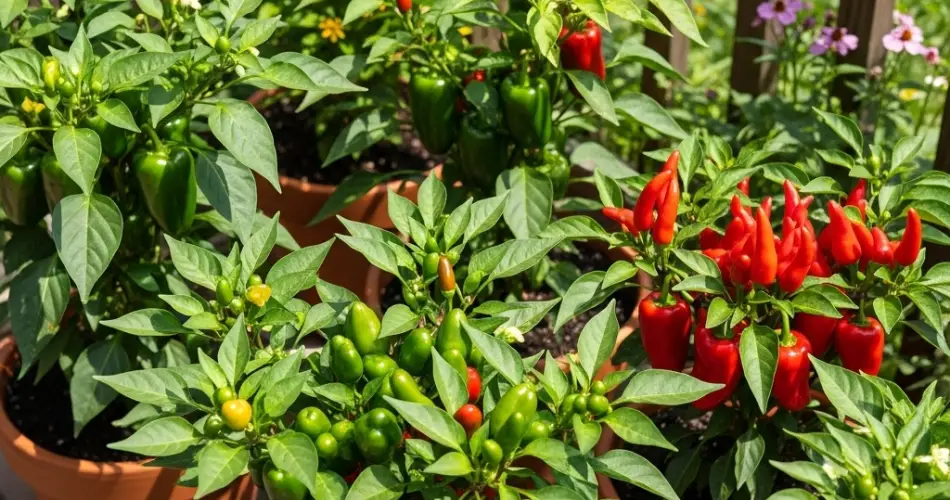
Peppers—whether sweet and crunchy or fiery and bold—are a vibrant and flavorful addition to any garden. And you don’t need a backyard to grow them. With a sunny spot and a good container, you can successfully grow both sweet bell peppers and spicy hot varieties in pots. Container gardening is a great way to grow peppers even if you’re limited to a patio, balcony, or windowsill.
Peppers thrive in pots when given the right conditions. Their compact size, shallow root system, and love for warmth make them ideal candidates for container gardening. With proper care, you can enjoy a steady supply of fresh peppers all season long.
Benefits of Growing Peppers in Pots
Growing peppers in containers offers several advantages:
-
Space-saving – Perfect for small gardens, balconies, or apartments
-
Mobility – Move pots to follow the sun or protect from storms
-
Fewer pests – Less exposure to soil-borne diseases and slugs
-
Control over soil and nutrients – Customize the growing medium
-
Easy harvesting – Fruits are at arm’s reach
Whether you love sweet bell peppers for stuffing or hot chilies for salsa, container gardening allows you to grow a variety of pepper types within reach.
Choosing the Right Pepper Varieties
Most pepper types adapt well to containers, but compact and early-producing varieties are best. Some popular sweet and hot options include:
Sweet Peppers:
-
California Wonder – Classic bell pepper with thick walls
-
Mini Bell – Small, colorful, and ideal for pots
-
Gypsy – Early maturing, sweet and productive
Hot Peppers:
-
Jalapeño – Mild heat, perfect for salsas
-
Cayenne – Slim and spicy, great for drying
-
Thai Hot – Very compact with fiery fruits
-
Habanero – High heat with a fruity flavor
Look for “container,” “patio,” or “dwarf” in the plant description for varieties best suited to pots.
What You’ll Need
Before planting, gather these essentials:
-
Containers (at least 10–12 inches deep, with drainage holes)
-
High-quality potting mix enriched with compost
-
Pepper seeds or seedlings
-
Organic fertilizer (slow-release or liquid)
-
Watering can or hose with spray nozzle
-
Optional: mulch, stakes, or cages for support
Step 1: Choose and Prepare Your Container
Use pots that are at least 10–12 inches deep for most pepper varieties. Larger varieties benefit from 3–5 gallon containers. Plastic, clay, fabric grow bags, or recycled containers can all work as long as they offer good drainage.
Fill your container with a light, well-draining potting mix. Avoid using heavy garden soil, which can retain too much moisture and lead to root rot. Mix in compost or slow-release fertilizer for a nutrient-rich base.
Step 2: Planting Peppers
If starting from seeds, begin them indoors 6–8 weeks before the last expected frost. Once the seedlings are 6–8 inches tall and temperatures are consistently warm, transplant them into your container.
Plant one seedling per pot, burying it up to the first true leaves to encourage stronger root growth. Water thoroughly after transplanting.
Step 3: Provide Sunlight and Warmth
Peppers need at least 6–8 hours of direct sunlight each day. They love warm weather, so place your containers in a sunny, sheltered location like a south-facing balcony or patio.
If temperatures drop below 60°F (15°C), consider moving your pots indoors or covering them to prevent stunted growth.
Step 4: Watering and Feeding
Keep the soil consistently moist but not soggy. Water when the top inch of soil feels dry. During hot weather, you may need to water daily, especially for fabric or clay pots that dry out quickly.
Fertilize every 2–3 weeks using a balanced liquid fertilizer or one higher in potassium once flowering begins. Too much nitrogen can lead to lush leaves but fewer fruits.
Step 5: Maintenance and Support
Some pepper plants may need support as they grow and bear fruit. Use small stakes, bamboo sticks, or tomato cages to keep branches from bending or breaking.
Pinch off early flower buds to encourage stronger root and stem development. Remove yellowing or damaged leaves to improve air circulation and plant health.
Watch for pests like aphids or spider mites. Spray plants with a mild insecticidal soap if needed, and check under leaves regularly.
Step 6: Harvesting
Sweet peppers can be harvested when they’re full-sized and firm. You can pick them green or wait for their mature color—red, yellow, orange, or purple—depending on the variety.
Hot peppers can be harvested green or when they change color, depending on how spicy you like them. Use scissors or pruners to cut peppers from the plant, leaving a short stem attached.
Frequent harvesting encourages the plant to produce more fruit.
Final Thoughts
Growing sweet and hot peppers in pots is an easy and rewarding way to enjoy fresh, homegrown produce even in tight spaces. With just a little care and attention, your container garden can provide a steady harvest of colorful, flavorful peppers from spring through fall.
Whether you’re adding them to salads, stir-fries, or spicy sauces, peppers grown in pots pack taste, color, and convenience into your home garden—no yard required.


