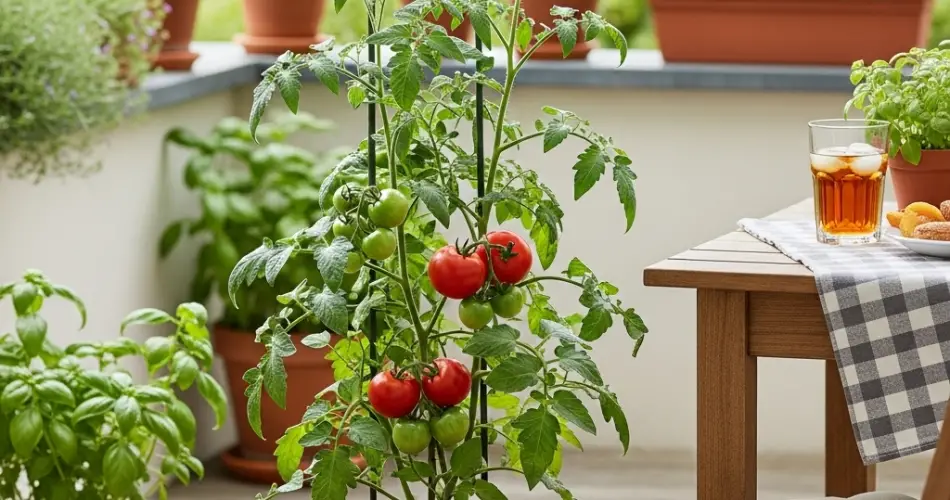
Tomatoes are one of the most satisfying and flavorful crops you can grow at home—and you don’t need a backyard to do it. With a few containers and a sunny spot, you can enjoy juicy, homegrown tomatoes right from your patio, balcony, or even a sunny windowsill.
Tomatoes thrive in pots when provided with the right conditions. Container gardening makes it easy to manage soil, water, and pests, giving you a greater chance of a successful harvest. With some care and attention, you can grow sweet cherry tomatoes, hearty slicing varieties, or even small beefsteaks in a confined space.
Why Grow Tomatoes in Pots?
Container gardening is perfect for tomatoes for several reasons:
-
Space-saving – Ideal for apartments, balconies, and small patios
-
Custom soil control – Avoids poor or compacted garden soil
-
Fewer pests – Elevated containers reduce exposure to ground-dwelling pests
-
Mobility – Move pots for better sun or protection from harsh weather
-
Earlier harvests – Container soil warms faster than ground soil
Growing tomatoes in pots offers flexibility without compromising yield or flavor.
Choosing the Best Tomato Varieties for Containers
While most tomato plants can technically be grown in containers, some varieties are better suited than others. Look for compact, determinate, or bush-type tomatoes for ease of care. Here are great options for potted growth:
Small and Compact Varieties:
-
Tiny Tim – Miniature cherry tomato, grows well in small pots
-
Patio Princess – Compact determinate, perfect for balcony growing
-
Bush Early Girl – Early-maturing, flavorful, and great in medium containers
Larger Varieties for Bigger Pots:
-
Roma – A classic paste tomato, works well in deep containers
-
Celebrity – Semi-determinate, excellent yield and disease resistance
-
Better Bush – Sturdy plant with medium-sized fruits
Indeterminate (vining) tomatoes can also be grown in containers, but they require larger pots and strong support like cages or stakes.
Supplies You’ll Need
To get started, gather the following:
-
A container at least 12–18 inches deep with drainage holes
-
High-quality potting mix (light and well-draining)
-
Compost or organic fertilizer
-
Tomato seedlings or transplants
-
Tomato cages or stakes
-
Watering can or hose with fine spray
-
Mulch (optional but beneficial)
Step 1: Prepare the Container
Choose a sturdy container that provides ample space for root development. For small varieties, 5-gallon pots are enough. Larger types may require 10–15 gallons of space.
Fill the container with a nutrient-rich, well-draining potting mix. Avoid garden soil, which may compact and restrict root growth. Mix in compost or a slow-release organic fertilizer to give your tomato a strong start.
Step 2: Plant Your Tomato Seedling
Dig a hole deep enough to bury about two-thirds of the tomato seedling’s stem. Tomatoes grow roots from the buried portion of the stem, which helps anchor the plant and increase nutrient uptake.
Place the seedling in the hole, gently firm the soil around it, and water well to settle the roots.
Step 3: Sunlight and Placement
Tomatoes need at least 6–8 hours of direct sunlight daily—more is even better. Place your container in the sunniest location possible, such as a south-facing patio, balcony, or windowsill.
Rotate the pot every few days to ensure even growth, especially if one side is getting more sun than the other.
Step 4: Watering and Feeding
Tomatoes like consistent moisture, but not soggy soil. Water deeply when the top inch of soil feels dry. During hot spells, you may need to water once or even twice a day.
Add mulch to the soil surface to retain moisture and reduce evaporation.
Start feeding your tomato with a balanced liquid fertilizer once flowers appear, switching to one higher in potassium to support fruit development. Fertilize every 2–3 weeks during the growing season.
Step 5: Support and Maintenance
Even compact varieties benefit from support. Insert a tomato cage, stake, or trellis at planting time to avoid disturbing the roots later.
For indeterminate varieties, pinch off suckers (the small shoots that grow between the stem and branches) to keep the plant focused on fruit production. Keep an eye out for pests like aphids and whiteflies. If necessary, treat with a mild organic insecticidal soap.
Remove any yellowing or diseased leaves to keep the plant healthy and productive.
Step 6: Harvesting Your Tomatoes
Tomatoes are ready to harvest when they are fully colored, slightly soft to the touch, and release easily from the vine. Different varieties ripen at different times, so refer to your seed packet or plant label for guidance.
Pick tomatoes as soon as they ripen to encourage the plant to continue producing more fruit.
Enjoy them fresh, in salads, sauces, sandwiches—or straight from the vine!
Final Thoughts
Growing tomatoes in pots is one of the easiest and most satisfying ways to enjoy fresh produce at home. With the right container, sunlight, and care, you can harvest juicy, flavorful tomatoes right from your patio or balcony.
No garden? No problem. Container-grown tomatoes bring summer’s favorite fruit within reach—even in the smallest spaces.


