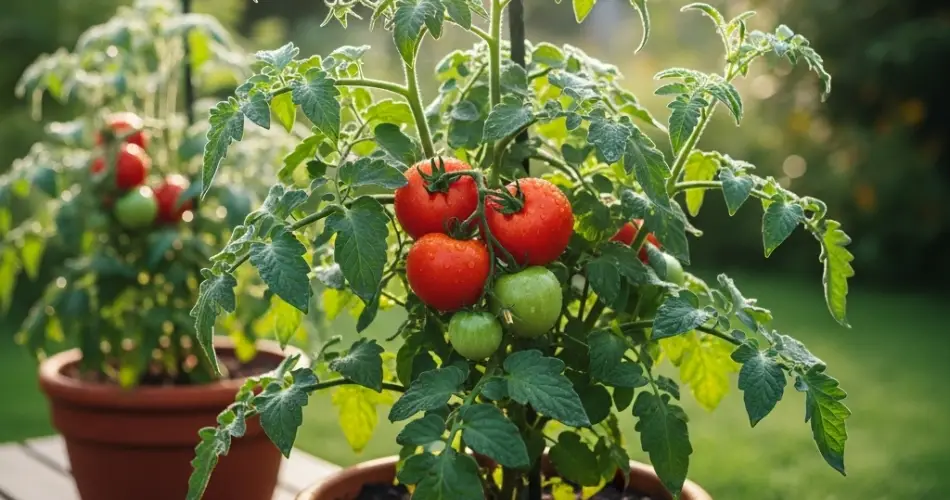
Tomatoes are a beloved staple in home gardens, and growing them in pots is an ideal solution for those with limited space. Whether you live in an apartment, have a small backyard, or just want to grow a few plants near your kitchen, container-grown tomatoes can thrive and deliver delicious results. With the right care and setup, even a single pot can yield a generous harvest of juicy, flavorful tomatoes.
Container gardening gives you control over the soil, drainage, and sunlight exposure, all of which are essential for producing healthy, vibrant tomato plants. This guide outlines everything you need to know to grow tomatoes in pots successfully.
Why Grow Tomatoes in Pots?
Tomatoes are well-suited for container gardening due to their adaptability and high yield. Here’s why many gardeners choose pots over traditional garden beds:
-
Space-efficient: Perfect for balconies, patios, and rooftop gardens.
-
Mobility: Easily move plants to follow the sun or protect them from harsh weather.
-
Soil control: Choose the best soil for optimal growth, free of pests and diseases.
-
Better drainage: Avoid soggy roots with well-draining containers.
-
Ease of maintenance: Less weeding and easier access for watering and pruning.
Growing tomatoes in pots also minimizes exposure to soil-borne diseases, making it easier to maintain healthy plants.
Best Tomato Varieties for Containers
While nearly all tomatoes can grow in pots, some varieties perform better than others in confined spaces. The best types include:
Determinant (Bush) Varieties
These grow to a set height and are ideal for smaller containers:
-
Bush Early Girl – Compact with early harvests.
-
Patio Princess – Small plant with medium-sized fruit.
-
Roma – Great for sauces and pastes.
Indeterminate (Vining) Varieties
These continue growing and producing throughout the season, requiring larger pots and support:
-
Sweet 100 – Cherry tomatoes with prolific production.
-
Sungold – Golden-orange cherry tomatoes with rich flavor.
-
Better Boy – Large, juicy slicing tomatoes.
For containers, cherry tomatoes and compact bush types are often the easiest and most productive.
Choosing the Right Container
Tomatoes need ample room for root development. Choose containers that are:
-
At least 14–18 inches (35–45 cm) deep
-
12–16 inches (30–40 cm) wide for one plant
-
Made of plastic, terracotta, ceramic, or fabric grow bags
-
Equipped with several drainage holes to prevent root rot
Larger containers reduce watering frequency and support larger yields. If growing multiple plants, consider using one large raised container or individual pots for each.
Soil and Fertilizer
Tomatoes thrive in nutrient-rich, well-draining soil. Create a custom mix using:
-
2 parts quality potting mix
-
1 part compost or aged manure
-
Optional: Add perlite or vermiculite for better aeration
Avoid using garden soil in pots, as it may compact and hinder drainage. Mix a slow-release organic fertilizer into the soil before planting. Once plants begin to flower, feed every two weeks with a liquid tomato fertilizer rich in potassium to boost fruiting.
Planting and Support
-
Plant Deeply: Remove the lower leaves and bury the stem up to the first set of leaves. This encourages root development along the stem.
-
Stake or Cage: Even bush types benefit from support. Install a tomato cage, stake, or trellis at the time of planting to avoid disturbing the roots later.
-
Spacing: Plant only one tomato per pot for optimal airflow and nutrient access.
Sunlight and Watering
Tomatoes need at least 6–8 hours of direct sunlight daily. The more sun they get, the more flavorful and abundant the fruit.
-
Watering: Keep the soil consistently moist but not soggy. Water deeply at the base of the plant, especially during hot weather.
-
Mulch: Add straw, shredded leaves, or coco coir on the surface to retain moisture and prevent soil splashing.
Avoid watering the leaves, as wet foliage can lead to disease.
Pruning and Maintenance
-
Remove suckers: Pinch off the small shoots that grow in the joint between the stem and branches (especially on indeterminate types) to encourage fruit production over leafy growth.
-
Check for pests: Look out for aphids, whiteflies, and caterpillars. Use organic sprays like neem oil or insecticidal soap if needed.
-
Pollination: Gently shake the plant or tap the flowers to help with pollination, especially if growing indoors or in a sheltered space.
Harvesting Tomatoes
Tomatoes are ready to harvest when they are fully colored and slightly soft to the touch. Pick them gently to avoid damaging the stem or nearby fruit.
-
Cherry tomatoes: Usually ripen quickly and are best harvested daily.
-
Larger varieties: Take longer but offer bigger yields per plant.
Regular harvesting encourages continuous production, especially in indeterminate varieties.
Final Thoughts
Growing tomatoes in pots brings the joy of gardening to any space—no matter how small. With proper containers, good soil, and regular care, you can enjoy homegrown tomatoes that are often sweeter and more flavorful than store-bought varieties. Whether it’s a handful of cherry tomatoes for your salad or juicy slicers for your sandwiches, pot-grown tomatoes prove that you don’t need a large garden to grow big flavor.


