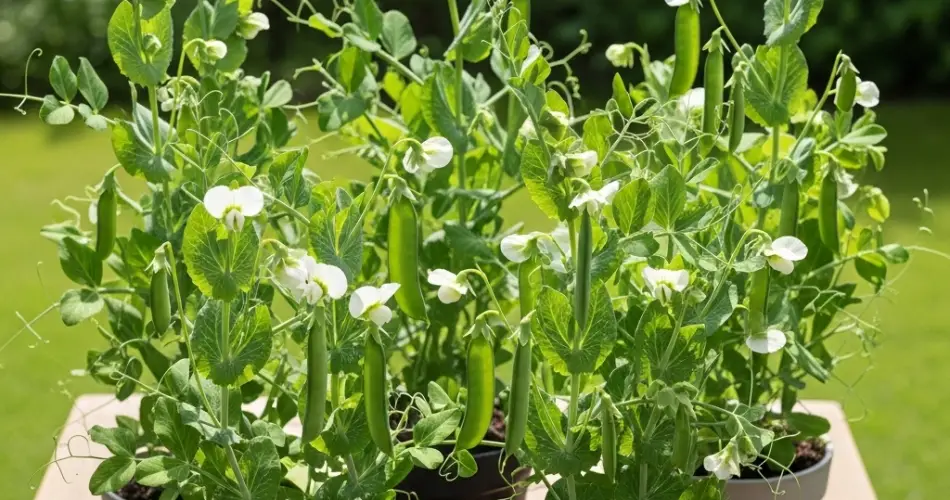
If you have a balcony, patio, or rooftop space, you can grow fresh, crunchy peas without needing a traditional garden bed. Container gardening makes it easy to cultivate peas, even in the heart of the city. These sweet, nutritious pods thrive in pots when provided with the right care, support, and growing conditions. Whether you’re a seasoned urban gardener or a beginner looking to try growing vegetables, peas are one of the easiest and most rewarding crops to grow in containers.
Why Grow Peas in Pots?
Peas are compact, fast-growing, and require minimal maintenance. When grown in pots, they’re easier to manage, especially for people who want to avoid kneeling or bending over garden beds. Container gardening also allows for better control of soil quality and watering, which can result in healthier plants and better yields.
Here are some reasons to grow peas in containers:
-
Perfect for small or paved spaces
-
Easy to monitor and harvest
-
Less vulnerable to soil-borne pests and diseases
-
Great for vertical gardening with trellises
With proper setup, peas in pots can produce a bountiful crop from early spring to early summer or again in the cooler days of fall.
Choosing the Right Pea Variety
Not all pea varieties grow the same way, so selecting the right type for container gardening is important.
Best pea varieties for pots:
-
Bush/dwarf varieties: These are compact and ideal for small containers. Examples include ‘Little Marvel’ and ‘Tom Thumb’.
-
Climbing/vining varieties: These need vertical support but are more productive. Try ‘Sugar Snap’ or ‘Oregon Sugar Pod’.
You can choose from shelling peas (for removing the peas from pods), snow peas (flat edible pods), or snap peas (plump, edible pods with crunchy peas inside).
Selecting the Best Container
Peas don’t need deep soil, but they do need wide containers with good drainage.
Container requirements:
-
Depth: At least 8–10 inches
-
Width: Minimum 12 inches across for multiple plants
-
Drainage: Essential to prevent root rot
Materials like plastic, fabric grow bags, ceramic, or wooden boxes all work as long as they have drainage holes. Lightweight containers are ideal for balconies since they’re easier to move.
Preparing the Soil
Peas prefer loose, fertile, and well-draining soil. Use a quality potting mix combined with compost for added nutrients.
Soil tips:
-
Mix compost or aged manure into your potting mix before planting.
-
Avoid using heavy garden soil, which can compact in containers.
-
Check that your mix allows water to drain freely.
You can also top off with a layer of organic mulch to help retain moisture and regulate soil temperature.
Planting Peas in Pots
Follow these simple steps to get your balcony pea garden started:
-
Soak seeds: Soak pea seeds overnight in water to help speed up germination.
-
Planting depth: Sow seeds 1 inch deep and about 2 inches apart.
-
Spacing: If growing bush peas, space them evenly; for vining types, plant near the edge so they can easily access a trellis.
-
Water: Water immediately after planting and keep the soil evenly moist.
Place the container where it will receive 6–8 hours of sunlight per day. Peas love sun, but in hotter climates, some afternoon shade can prevent stress.
Supporting Your Peas with a Trellis
If you’re growing climbing peas, a trellis is a must. Peas climb by wrapping their tendrils around nearby supports.
Trellising ideas:
-
Bamboo stakes formed into a teepee shape
-
Wire mesh panels attached to the container
-
Simple vertical sticks with string woven between them
Install the trellis at the time of planting to avoid disturbing the roots later. Keep vines off the ground to reduce disease and improve air circulation.
Caring for Peas in Containers
Peas are fairly low-maintenance, but consistent care helps maximize yield.
-
Watering: Keep the soil moist but not waterlogged. Avoid letting the soil dry out, especially during flowering and pod development.
-
Fertilizing: Peas fix their own nitrogen, so they don’t need heavy feeding. Add compost at planting and consider a light dose of balanced liquid fertilizer once or twice during the growing cycle.
-
Mulching: A layer of straw or shredded leaves helps retain moisture and prevent weeds.
Peas prefer cool temperatures, so monitor the weather and water accordingly, especially on windy or sunny days.
Common Pests and Problems
Container peas are less prone to pests than those grown in the ground, but keep an eye out for:
-
Aphids: Spray with soapy water or use neem oil.
-
Powdery mildew: Ensure good airflow and avoid wetting the foliage.
-
Birds: Protect young seedlings with netting if needed.
Rotate crops and clean containers thoroughly between seasons to avoid the buildup of soil-borne issues.
Harvesting Your Peas
Harvest time depends on the type of peas you grow.
-
Snow peas: Pick when the pods are flat and before seeds swell.
-
Snap peas: Harvest when the pods are plump but still tender.
-
Shelling peas: Wait until pods are full and round, then shell the peas out.
Always use two hands to pick pods—one to hold the vine and one to pull the pod gently. Harvest frequently to encourage continuous production.
Final Tips
-
Succession sowing every two to three weeks can provide a steady harvest.
-
Reuse soil by amending with compost and rotating crops after peas finish.
-
Enjoy fresh peas raw in salads, lightly steamed, or added to stir-fries.
With a bit of care and some sunshine, your balcony can become a lush, productive space that offers sweet, garden-fresh peas within arm’s reach. Container gardening makes growing peas easy, fun, and satisfying—no backyard required.


