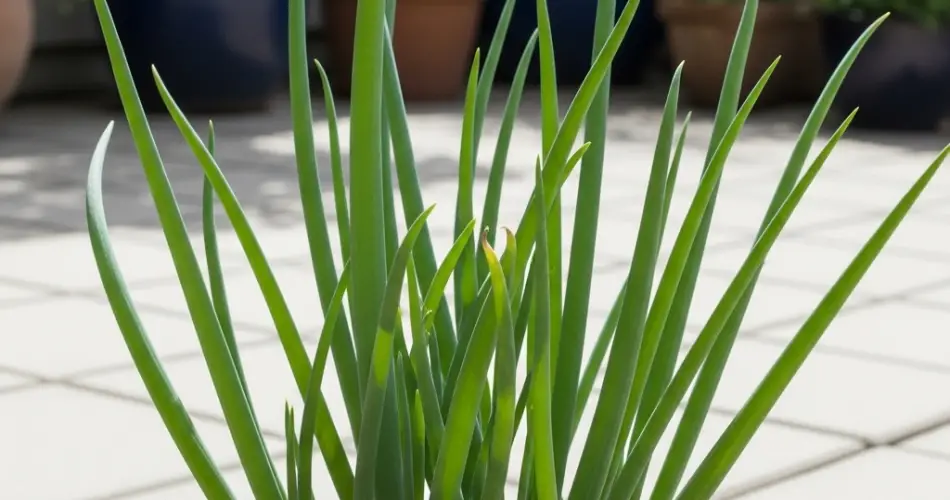
Scallions, also known as green onions or spring onions, are one of the easiest and most rewarding crops to grow in containers. Their mild onion flavor makes them a versatile addition to many dishes, and they thrive even in small spaces like balconies, windowsills, or patios. Whether you’re growing them from seeds, sets, or kitchen scraps, scallions grow quickly and don’t require much effort—perfect for beginners or busy urban gardeners.
Here’s a comprehensive guide to growing scallions in pots, from planting to harvesting and regrowing.
Why Grow Scallions in Pots?
Scallions are compact, fast-growing, and need very little maintenance, making them ideal for container gardening. Even if you have no garden space at all, a simple pot on a sunny windowsill is enough to produce a steady supply.
Benefits include:
-
Quick growth: You can harvest in as little as 3–4 weeks.
-
Small footprint: They don’t require deep containers.
-
Continuous harvest: Cut-and-come-again growing allows you to regrow multiple times.
-
Pest resistance: Scallions are rarely affected by major pests or diseases.
Choosing the Right Container
Scallions have shallow root systems, so you don’t need a very deep container. Here’s what to look for:
-
Depth: At least 6 inches is sufficient.
-
Width: A wide pot allows you to plant more densely.
-
Drainage: Ensure the pot has several holes to prevent waterlogging.
Recycled containers like plastic tubs or old storage bins work well, as long as you add proper drainage holes at the bottom.
Soil Preparation
Scallions prefer loose, well-draining soil with plenty of organic matter. Avoid heavy or compacted soil, as it can hinder root development.
To prepare the soil:
-
Use a quality potting mix blended with compost.
-
Add a handful of perlite or sand for better drainage.
-
Avoid soil mixes with too much nitrogen, which can lead to excessive leaf growth with less flavor.
Starting Your Scallions: Seeds, Sets, or Scraps
You can grow scallions in pots using any of the following methods:
1. Seeds
-
Sow seeds ¼ inch deep and about 1 inch apart.
-
Water gently and keep the soil consistently moist until germination (7–10 days).
-
Thin seedlings to about 2 inches apart once they sprout.
2. Bulb Sets
-
Place small onion sets just below the soil surface, root-side down and tips pointing up.
-
Space them 1–2 inches apart.
-
These will sprout faster and give an earlier harvest than seeds.
3. Kitchen Scraps
-
Use the white root ends of store-bought scallions.
-
Place them in water for a few days until roots form, then plant them directly into the pot.
-
Leave the top just above the soil surface.
Watering and Sunlight
Scallions require consistent moisture, especially during the early stages of growth.
-
Watering: Water when the top inch of soil begins to dry out, but don’t overwater.
-
Sunlight: Place the container in a sunny location that receives at least 6 hours of light per day.
-
In extremely hot weather, a bit of afternoon shade helps prevent the plants from drying out too quickly.
Fertilizing
Scallions aren’t heavy feeders, but a little boost helps improve yields.
-
Use a diluted liquid fertilizer every 2–3 weeks, preferably one that’s balanced or low in nitrogen.
-
Alternatively, sprinkle compost or worm castings around the base every few weeks.
Avoid over-fertilizing, which can lead to lush, floppy leaves with weak flavor.
Harvesting Your Scallions
Scallions are ready to harvest when they reach 6–10 inches tall and have pencil-thick stems. You can harvest them in one of two ways:
-
Cut and regrow: Use scissors to snip the green tops, leaving about 1 inch above the soil. The plants will regrow multiple times.
-
Harvest whole: Gently pull the entire plant from the soil if you prefer the white stem and roots.
For a continuous harvest, stagger your plantings every couple of weeks.
Regrowing for Endless Supply
One of the best things about scallions is their ability to regrow after being harvested. If you cut above the base, the plant will often regrow new shoots from the same rootstock.
To maintain productivity:
-
Trim sparingly and let the plant recover between cuts.
-
Replenish nutrients with compost or mild fertilizer.
-
Replace older plants every few months to keep your supply fresh and healthy.
Common Issues and How to Avoid Them
-
Yellowing leaves: Usually a sign of overwatering or nutrient deficiency. Check drainage and feed lightly.
-
Stunted growth: Can result from overcrowding—thin your plants or use a larger container.
-
Pests: Scallions are typically pest-resistant, but fungus gnats can appear if soil stays too moist.
Proper spacing, watering, and ventilation are key to preventing most issues.
Final Thoughts
Scallions are one of the easiest crops to grow in containers and offer a near-endless supply of fresh, flavorful greens right at your fingertips. With just a small pot, some sunlight, and regular care, you can enjoy homegrown scallions throughout the year. Whether you grow from seed, sets, or scraps, these hardy plants are a perfect addition to your container gardening routine—no backyard required.


