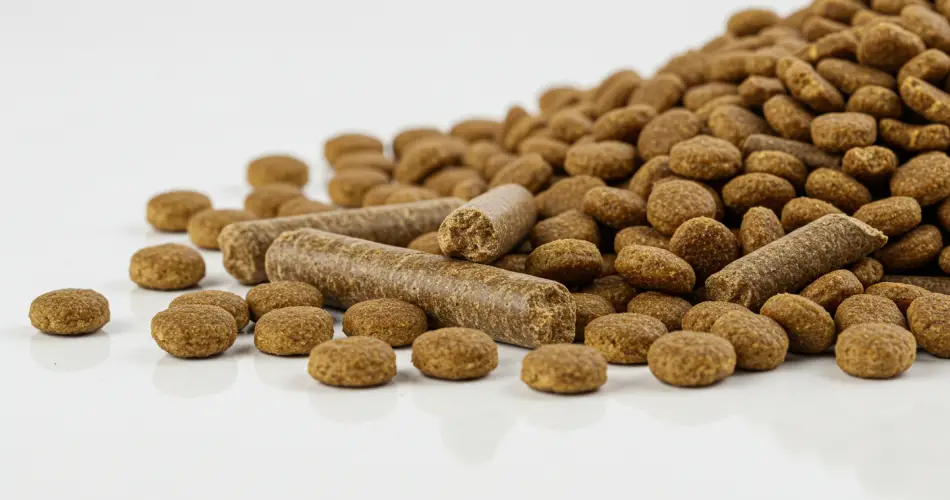
In recent years, heating with pellet stoves has become increasingly popular in homes across Italy and Europe. Pellet is an eco-friendly fuel made from compressed sawdust, wood chips, and other residues from pruning or wood processing. It’s used in a variety of heating appliances, including air stoves, water stoves, and pellet boilers, all designed to meet strict safety standards while blending aesthetically into home environments.
Pellet heating offers several advantages. It is environmentally sustainable, cost-effective compared to conventional fuels, and contributes to reducing carbon emissions. Many households have switched to pellet systems to save money on energy bills while choosing a more eco-conscious solution for heating. However, in recent years, the soaring cost of pellets has posed a challenge for many users.
The Rising Cost of Pellet
The price of pellet fuel has increased dramatically, largely due to geopolitical factors and fluctuations in the energy market. The conflict between Russia and Ukraine, combined with rising gas prices, has driven pellet costs to unprecedented levels. In some cases, prices have surged by as much as 300%.
Historically, a 15-kilogram bag of pellet cost around €5. Today, that same bag can cost €15 or more, depending on regional supply and demand. The increase is attributed to disruptions in the timber supply chain, particularly imports from Russia, as well as the basic economic principles of supply and demand. For households reliant on pellet heating, these price hikes have made it increasingly expensive to maintain a warm home during the winter months.
Making Pellet at Home: A Cost-Effective Solution
Fortunately, there is a solution for those seeking to reduce costs: producing pellet fuel at home. With the right machinery, it is possible to manufacture your own pellets from biomass and wood residues, cutting down significantly on heating expenses. This option has gained attention recently as families and small businesses look for sustainable and economical alternatives.
The process requires a pellet machine, also known as a pellettatrice. These machines compact raw materials such as sawdust, dried biomass, hay, straw, shredded paper, corn residues, rice husks, and even certain weeds into cylindrical pellets suitable for stoves and boilers. The machine compresses the material into uniform pellets, ready to burn efficiently.
Important Considerations for Home Pellet Production
While producing your own pellets sounds straightforward, there are some important considerations to ensure quality and safety:
-
Use only untreated materials: No furniture, particleboard, or wood treated with adhesives or chemicals can be used. These substances can release harmful fumes during combustion and damage your stove.
-
Properly dried wood and biomass: Moisture content must be low; otherwise, the pellets will be wet, inefficient, and prone to poor combustion. Ideally, wood should be dried thoroughly before pelletizing.
-
Size reduction: All raw materials must be reduced in size to allow the machine to compress them into pellets properly. Shredding or grinding is typically required before use.
Benefits of Making Pellet at Home
Producing pellets at home offers several advantages:
-
Cost savings: While there is an initial investment in a pellet machine, the long-term savings are significant. Even machines costing around €1,000 can pay for themselves over a few heating seasons. Larger, industrial-grade models can cost up to €6,000 but can produce higher volumes suitable for small businesses or communal heating solutions.
-
Quality control: Making your own pellets allows you to ensure the fuel is completely natural, free from additives or chemicals, and optimized for your specific stove or boiler.
-
Eco-friendly solution: Using locally sourced biomass and wood residues reduces the carbon footprint associated with purchased pellets, contributing to a greener heating approach.
-
Self-sufficiency: Home production ensures a reliable supply of fuel, reducing dependence on market fluctuations and supply chain disruptions.
Practical Considerations
Installing a pellet production machine at home requires sufficient space and a reliable energy source to power the machine. Depending on the model, production capacity can reach up to 60 kilograms per hour. This makes it feasible to produce enough pellets for a single household during the heating season, provided there is planning for storage and drying of the raw materials.
Moreover, regular maintenance of the machine is essential to ensure it functions efficiently and produces high-quality pellets. This includes keeping the components clean, lubricating moving parts as needed, and monitoring the compression mechanisms.
Alternative Biomass Options
Beyond wood and sawdust, several other organic materials can be used for pellet production, including:
-
Hay and straw: Readily available in rural areas, these materials can be an excellent source of biomass.
-
Agricultural residues: Corn stalks, rice husks, and similar residues are effective and sustainable sources.
-
Paper waste: Shredded, untreated paper can also be compressed into pellets, reducing household waste while providing heating fuel.
Conclusion
The rising cost of pellets has made heating with stoves and boilers more expensive, prompting households to seek alternative solutions. Producing pellets at home offers a practical, sustainable, and cost-effective method to maintain warmth during the colder months. By investing in the right machinery, using suitable raw materials, and following proper drying and processing procedures, families can generate high-quality pellets at a fraction of the market price.
This approach not only provides significant financial savings but also contributes to energy self-sufficiency and environmental sustainability. For anyone relying on pellet heating, home production represents an innovative solution to an increasingly costly problem, offering peace of mind, consistent warmth, and control over fuel quality.