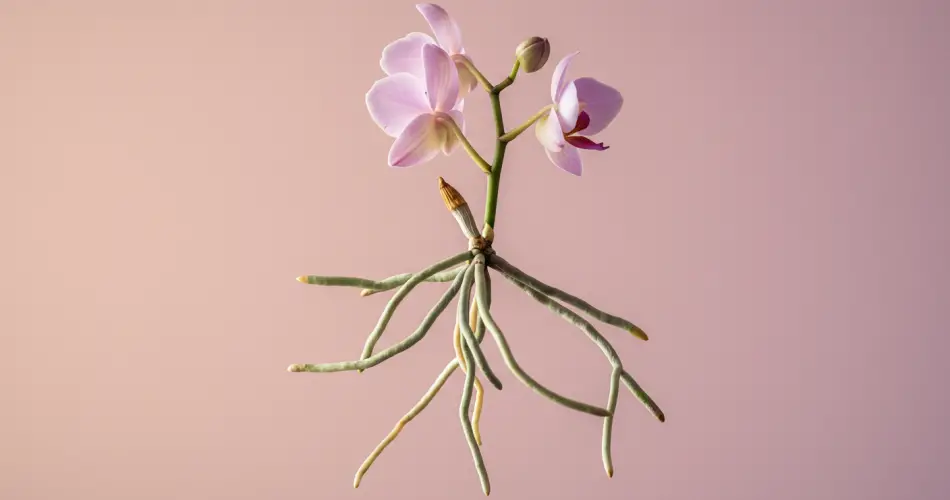
Orchids are among the most visually striking houseplants, adding elegance and charm to any indoor environment. Their unique flowers and graceful stems make them highly sought after, but their beauty often comes with challenges. Many orchid owners struggle to keep their plants healthy and vigorous, especially when issues like blackened roots or a decaying stem arise. The good news is that reviving an orchid that has lost its roots is possible with careful attention and one simple ingredient found in your kitchen: garlic powder.
Understanding the Problem
Orchids are delicate plants that require specific care, including the right watering schedule, proper soil or substrate, and adequate light. Even with careful attention, problems can occur, particularly during repotting or if the plant has been exposed to excessive moisture or poor drainage. One of the most alarming signs of distress is blackened roots and stem, which can indicate rot caused by bacteria or fungi.
When you notice roots detaching at the touch or a darkened trunk, it’s crucial to act quickly to prevent further damage. At this stage, the plant is still salvageable if treated promptly.
Initial Steps: Removing Decayed Parts
The first step in saving your orchid is to remove all decayed or rotting parts. This includes blackened roots and any sections of the stem that show signs of infection. Use clean, sterilized tools to carefully cut away these parts until only healthy tissue remains. Removing the decayed material reduces the risk of spreading fungi or bacteria and prepares the plant for recovery.
Once all unhealthy tissue has been removed, you’re ready to help the orchid regrow its roots and regain strength.
The Role of Garlic Powder
Garlic powder is a powerful natural remedy for orchid recovery. It possesses antibacterial and antifungal properties that help combat mold and bacterial growth. Additionally, garlic contains nutrients that can stimulate the plant’s growth and support root development. By using garlic powder as part of a diluted solution, you can create a natural tonic to revitalize orchids that are struggling.
How to Prepare the Garlic Solution
To make a garlic-based root recovery solution, follow these simple steps:
-
Take a teaspoon of garlic powder and place it in a glass.
-
Add a few drops of boiling water and stir until the powder dissolves completely.
-
Strain the mixture through a piece of gauze to remove any undissolved particles.
-
Pour the filtered solution into a small spray bottle and fill the rest of the bottle with clean water.
This solution will be used to irrigate your orchid, targeting both the leaves and remaining healthy roots.
Applying the Garlic Solution
Before using the solution, ensure that all blackened and decayed parts of the orchid have been removed. Shake the spray bottle well and apply the solution evenly to the leaves and root area, avoiding stagnant water on the foliage. After spraying, gently dry the leaves with a soft absorbent cloth to prevent excess moisture, which could contribute to further fungal growth.
Supporting Root Regrowth
For orchids without roots, you can create a temporary support system to help the plant absorb water while new roots develop. Here’s how:
-
Take a narrow strip of absorbent cloth and a half-liter plastic bottle. Cut off the top portion of the bottle to create a small container.
-
Attach the orchid to a support stick using soft ties, ensuring it remains upright.
-
Wrap the absorbent cloth around the base of the orchid, letting the ends hang freely. Place the orchid in the bottle so that the cloth touches the water but the plant itself does not.
-
Fill the bottle about a quarter full with water, allowing the cloth to act as a surrogate root system.
This setup keeps the orchid hydrated while encouraging new roots to grow.
Patience and Monitoring
Place the orchid in a bright, indirect light location and allow it to remain in this setup for several days. It’s normal for the leaves to wilt slightly during this period as the plant diverts energy toward root development. Regularly monitor the water level and ensure the cloth remains in contact with the water to maintain consistent moisture.
Once you notice new roots forming, you can gradually remove the temporary cloth and support stick. The orchid is now ready to be repotted.
Repotting and Long-Term Care
When repotting, use a transparent container with drainage holes and fresh orchid bark that has been soaked and rinsed thoroughly. The transparency allows you to monitor root health, while the bark provides proper aeration and drainage. Water the orchid lightly, keeping the soil moist but not saturated, and continue to monitor growth closely.
Regular care, including appropriate watering, indirect sunlight, and occasional use of the garlic solution if needed, will help your orchid regain vitality and eventually produce flowers once again.
Conclusion
Reviving an orchid that has lost its roots may seem challenging, but with careful attention and a simple, natural ingredient like garlic powder, it is entirely achievable. By removing decayed tissue, using a garlic-based tonic, creating a temporary hydration system, and repotting into suitable substrate, you can restore your orchid’s health and encourage new root growth.
With patience and the right care, even orchids that appear near death can flourish once more, allowing you to enjoy their beauty and elegance indoors. This method provides an affordable, eco-friendly solution for orchid lovers, ensuring your plants remain vibrant and healthy for years to come.