As the colder months approach, many of us rely on radiators to keep our homes warm and comfortable. There’s nothing better than returning home after a long day to a cozy living space. However, it’s not uncommon to notice that your radiator isn’t heating evenly—particularly when the top is warm, but the bottom remains cold. This issue can be caused by several factors, ranging from minor maintenance problems to more serious mechanical issues. Understanding the cause and knowing how to address it can save both time and money.
Common Causes of a Cold Bottom Radiator
A radiator that heats unevenly is typically a sign of an underlying issue in your heating system. One frequent scenario occurs when the top of the radiator is warm while the lower part remains cold. This often indicates a blockage or accumulation of debris within the radiator, preventing hot water from circulating properly.
Before assuming a serious problem, it’s important to conduct a few basic checks:
-
Check the Boiler Temperature and Timer – Sometimes the simplest explanation is also the correct one. Ensure that your boiler is set to an appropriate temperature, typically around 60°C (140°F), and that the timer is functioning correctly. A misconfigured timer or low temperature setting can prevent your radiators from heating adequately.
-
Evaluate the Radiator’s Heat Distribution – Observe whether the radiator heats fully, partially, or only at the top. Partial heating is common in many households, often caused by the boiler reducing power once the target temperature is reached. However, if the lower part remains cold while the upper portion is hot, this usually points to a more serious problem, often a blockage or air trapped in the radiator.
Air in the Radiator
Air trapped in the radiator is one of the most frequent causes of uneven heating. Radiators rely on a continuous flow of hot water, and pockets of air can prevent the lower sections from warming. Bleeding the radiator can often solve this problem:
-
Turn off the heating system and let the radiator cool completely.
-
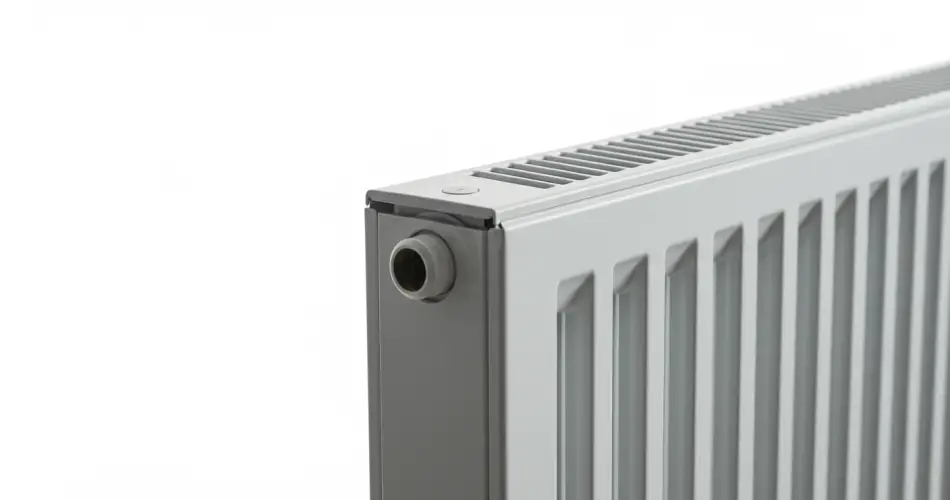
Locate the bleed valve, usually found at the top of the radiator.
-
Place a small container underneath to catch water and carefully open the valve using a radiator key or a flat screwdriver.
-
Let the air escape until water starts flowing steadily, then close the valve.
Bleeding the radiator helps restore proper circulation and ensures the radiator heats evenly from top to bottom.
Blockages and Dirt Accumulation
If bleeding doesn’t resolve the problem, the issue may be dirt, sludge, or rust buildup inside the radiator. Over time, radiators can accumulate sediment, which restricts water flow and prevents the lower sections from heating. This not only reduces efficiency but also increases energy consumption, as the boiler works harder to compensate for uneven heating.
To address this, consider flushing the radiator:
-
Turn off the heating and allow the radiator to cool.
-
Close the radiator valves and place a bucket underneath the system to catch water.
-
Open the bleed valve and carefully remove the radiator from the wall if necessary.
-
Flush with clean water until the outflow is clear of debris.
-
Reattach and refill the system, then bleed the radiator again to remove trapped air.
Regular cleaning and flushing of radiators, particularly before the heating season, can prevent these blockages and improve overall efficiency.
Cleaning the Radiator Exterior
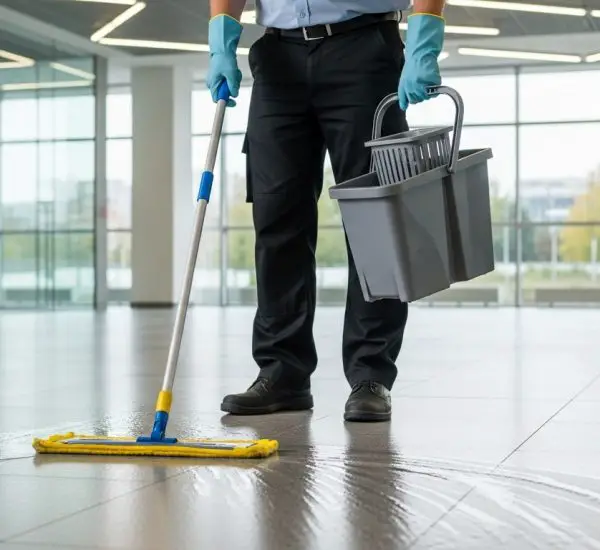
While internal issues often cause uneven heating, the exterior of the radiator also needs attention. Dust, pet hair, and general dirt can accumulate on and between radiator panels, reducing heat transfer and contributing to a less efficient system.
For routine maintenance:
-
Use a damp cloth to wipe the exterior surfaces.
-
Consider a dusting tool or vacuum to clean hard-to-reach areas between radiator fins.
-
Repeat weekly or biweekly during the heating season to ensure optimal performance and cleaner air circulation in your home.
A clean radiator not only heats more efficiently but also helps maintain a healthier indoor environment by minimizing dust and allergens.
When to Call a Professional
Although many radiator issues can be resolved with simple maintenance, some problems may require professional intervention. If the radiator remains cold at the bottom despite bleeding, flushing, and cleaning, there may be a more serious mechanical fault, such as:
-
A malfunctioning valve that prevents proper water flow.
-
A boiler issue that fails to provide sufficient pressure.
-
Severe corrosion or internal damage to the radiator.
In these cases, contacting a licensed heating technician is the safest approach. Attempting repairs beyond basic maintenance can risk damage to your heating system and may result in costly replacements.
Preventive Maintenance Tips
To minimize the risk of uneven heating and cold spots:
-
Schedule Annual Boiler and Heating Checks – A professional inspection before winter ensures that the boiler, pipes, and radiators are all functioning correctly.
-
Bleed Radiators Regularly – Especially before and during the heating season, to remove trapped air.
-
Clean and Dust Radiators – Maintain both interior and exterior cleanliness for efficient heat transfer.
-
Monitor Temperature Settings – Keep the boiler temperature consistent and ensure the timer is correctly programmed.
Conclusion
A radiator that is warm at the top but cold at the bottom is a common issue, often caused by trapped air, debris accumulation, or minor mechanical problems. By conducting routine checks, bleeding the radiator, cleaning both the interior and exterior, and monitoring the boiler settings, most households can restore even heating without major repairs.
For persistent issues or suspected mechanical faults, professional help may be necessary. However, with regular maintenance and simple preventive measures, your radiators can provide efficient and consistent warmth throughout the winter, ensuring a comfortable and cozy home environment.