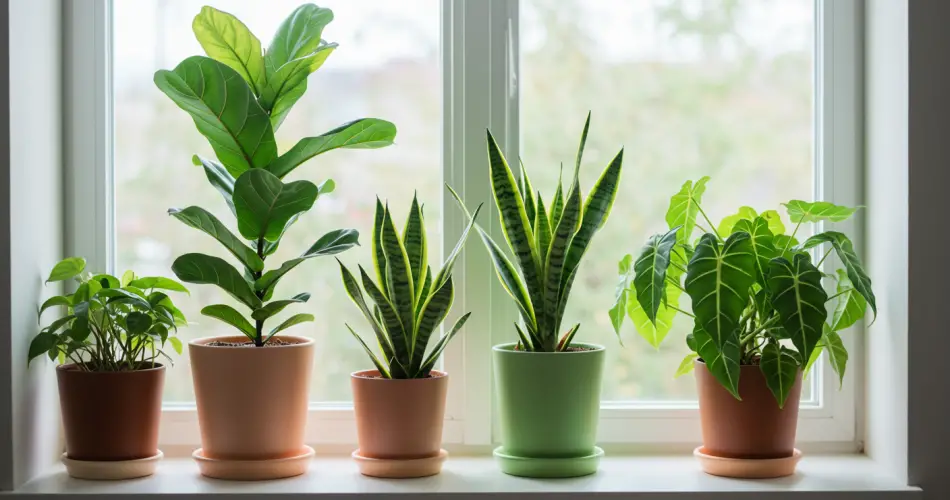
When winter arrives, many people instinctively move their indoor plants to the windowsill, believing that exposure to direct sunlight will help them thrive. While this seems logical, it’s not always the best choice. Some plants, particularly those native to tropical or humid environments, can actually suffer from the cold drafts, temperature fluctuations, and direct sun exposure that windowsills often provide. Understanding which plants are sensitive to these conditions is essential for keeping your indoor garden healthy during the colder months.
Why Windowsills Can Be Harmful
Windowsills seem ideal because they allow plants to receive plenty of natural light, which is necessary for photosynthesis and healthy growth. However, the light that comes through a window in winter can be harsh and, combined with colder temperatures, can stress plants.
Most indoor plants prefer indirect light or partial shade rather than direct sun. For tropical species, direct sun can dry out leaves and soil, while the cold air from poorly insulated windows can damage roots and stunt growth. Furthermore, placing plants near radiators or heating vents beneath the windowsill may subject them to sudden temperature changes, further compromising their health.
Plants You Should Avoid Placing on a Windowsill in Winter
Several popular indoor plants are particularly sensitive during the winter months. Here’s a closer look at those you should avoid placing on a windowsill and why:
1. Orchids
Orchids are tropical plants that thrive in humid environments. A typical windowsill often provides dry air and fluctuating temperatures, making it a less than ideal location. Direct sunlight can also scorch the leaves. However, with some adjustments, orchids can tolerate a windowsill if it’s shielded with a light curtain to diffuse sunlight, and the room maintains a consistent temperature between 16°C and 24°C (61°F–75°F). Alternatively, placing orchids in naturally humid spaces such as bathrooms can be very beneficial, as they will enjoy the moisture without the risk of direct sun exposure.
2. Christmas Cactus (Schlumbergera)
The Christmas cactus prefers cool, stable temperatures and indirect light during the winter flowering season. Windowsills are typically too cold or too drafty, and placing the plant in direct sunlight can cause stress. Ideal temperatures for the Christmas cactus are above 10°C (50°F), but not excessively warm. Keep it away from radiators, heaters, and direct sun to ensure it blooms successfully during the holiday season.
3. Poinsettias
Poinsettias are the quintessential winter holiday plant, but windowsills can be a hazardous place for them, especially if a radiator is nearby. They prefer moderate temperatures between 15°C and 21°C (59°F–70°F) and should be kept away from heat sources and cold drafts. Overwatering is also a common problem in winter; they require minimal water to prevent root rot, so it’s crucial to maintain balance in soil moisture.
4. Cyclamen
Cyclamens are sensitive to heat and thrive in cool, well-ventilated areas. A windowsill above a radiator or near direct sunlight can quickly dry out their soil and stress the plant. During winter, they need moderate watering, keeping the soil consistently moist but never waterlogged. Ideal placement for cyclamen is in a cooler area with indirect light and good air circulation.
5. Amaryllis
Amaryllis differs from the other plants mentioned because it initially requires warmth during its growth period. However, once its flowering period ends, it should be moved to a cool, dry location with temperatures around 15°C (59°F). Keeping amaryllis on a windowsill throughout winter can expose it to fluctuating temperatures and drafts, which may affect future growth and flowering.
Tips for Keeping Winter-Sensitive Plants Healthy
-
Indirect Light is Key: Most tropical and winter-sensitive plants prefer bright, indirect light. Avoid placing them where sunlight hits directly through the window. A light curtain can help diffuse sunlight without darkening the room.
-
Avoid Radiators and Drafts: Windowsills often sit above radiators or near poorly insulated windows. Both situations can create temperature extremes that stress plants. Ensure plants are in a stable, moderately warm environment.
-
Humidity Matters: Tropical plants like orchids and ferns require higher humidity. In dry winter conditions, consider placing a humidifier nearby or setting the plant on a tray with water and pebbles to maintain humidity.
-
Moderate Watering: Many indoor plants grow slowly in winter and require less water. Overwatering can lead to root rot, particularly in plants sensitive to cold, such as cyclamen and poinsettias. Always check soil moisture before watering.
-
Rotate Plants if Needed: If light conditions are uneven, rotate plants periodically to ensure even growth. Avoid keeping sensitive plants in one position that exposes them to cold drafts or direct sunlight.
Alternative Placement Ideas
Rather than a windowsill, consider the following spots for winter-sensitive plants:
-
Bright, interior locations: Rooms with natural light but away from direct sun rays are ideal.
-
Bathrooms for humidity-loving plants: Orchids, ferns, and other tropical species thrive in humid spaces.
-
Shelves or tables near light sources: Use indirect light from windows or artificial grow lights to supplement natural light while avoiding extreme temperatures.
Conclusion
While it may seem natural to place indoor plants on windowsills during the winter to maximize sunlight, this habit can harm many popular species. Orchids, Christmas cacti, poinsettias, cyclamen, and amaryllis are among the plants that require careful attention to temperature, humidity, and light conditions.
By understanding each plant’s needs and avoiding windowsills for sensitive species, you can ensure that your indoor garden remains healthy throughout the winter. Choosing the right location, adjusting humidity, and monitoring temperature and watering habits are all critical for maintaining thriving, winter-safe plants. With these precautions, your home can remain lush, vibrant, and full of life even in the coldest months.