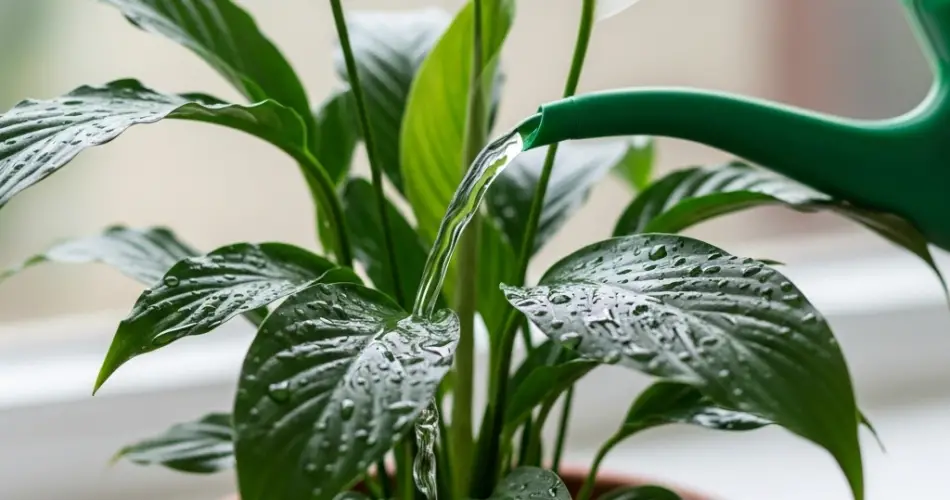
Peace lilies (Spathiphyllum) are among the most popular indoor plants, prized for their elegant white spathes and rich green leaves. Not only are they visually appealing, but they’re also relatively easy to care for. One of the most important aspects of keeping a peace lily healthy and thriving indoors is understanding how and when to water it.
Too much water can quickly lead to root rot, while too little can cause the plant to wilt and suffer. Striking the right balance in your watering schedule will help your peace lily flourish year-round. Here’s a comprehensive guide on how to water your peace lily indoors for optimal growth and health.
Understanding the Peace Lily’s Watering Needs
Peace lilies are tropical plants that grow naturally in the understory of rainforests, where the soil stays moist but not soggy. This means they appreciate consistently damp soil, but they don’t tolerate overwatering.
Indoors, where airflow and light are different from their natural habitat, you’ll need to adjust your care routine accordingly. The key is to monitor the plant’s signals and adjust based on the season, humidity, pot type, and soil.
How Often to Water Peace Lily Indoors
In general, peace lilies should be watered once a week. However, this frequency can vary based on environmental conditions:
-
Warm seasons (spring and summer): Water every 5–7 days, especially when temperatures are high or if the plant is actively blooming.
-
Cool seasons (fall and winter): Reduce watering to every 10–14 days, allowing the top layer of soil to dry out slightly between waterings.
Before each watering, check the top inch of soil with your finger. If it feels dry to the touch, it’s time to water. If it’s still damp, wait another day or two.
Signs of Underwatering and Overwatering
Your peace lily will give you visual clues if its watering needs are not being met:
Signs of Underwatering:
-
Drooping or limp leaves
-
Dry, brittle leaf edges
-
Soil pulling away from the pot edges
Signs of Overwatering:
-
Yellowing lower leaves
-
Mushy stems or roots
-
Persistent soggy soil
-
Foul or musty smell from the pot
A peace lily will droop when thirsty but usually perks up within a few hours after a thorough watering. However, if overwatering is the problem, recovery is less likely without intervention.
How to Water Peace Lily Correctly
Watering correctly involves more than just frequency—it’s also about technique. Here’s the most effective way to water your indoor peace lily:
-
Use room-temperature water: Cold water can shock the roots, especially during winter. Let tap water sit for 24 hours if possible to allow chlorine to dissipate.
-
Water thoroughly: Pour water slowly around the base of the plant until it begins to drain out the bottom. This ensures the roots are evenly moistened.
-
Allow excess water to drain: Never let your peace lily sit in standing water. Always empty the saucer or outer pot to avoid root rot.
-
Avoid misting as the main source of moisture: While peace lilies enjoy humidity, misting alone won’t provide the soil moisture they need. Use misting as a supplement, not a substitute.
Best Water Type for Peace Lilies
Peace lilies are sensitive to fluoride, chlorine, and salts in tap water, which can lead to brown leaf tips. If your tap water is treated heavily, consider the following alternatives:
-
Filtered water
-
Rainwater
-
Distilled water
Switching to one of these options can improve your peace lily’s appearance, especially if you’ve noticed crispy edges despite proper watering frequency.
Environmental Factors That Influence Watering
Several indoor conditions can affect how often your peace lily needs water:
-
Light exposure: Plants in bright, indirect light may dry out faster than those in low-light rooms.
-
Humidity levels: Peace lilies thrive in high humidity (50% or more). In drier homes, especially with indoor heating or air conditioning, they may need water more often.
-
Pot type: Terracotta pots dry out quicker than plastic or glazed ceramic pots. Always factor in your container’s material when creating a watering schedule.
-
Size of the plant and pot: Larger plants and smaller pots will generally need more frequent watering.
Creating a Consistent Watering Routine
To keep things simple, create a watering routine tailored to your home environment. Use reminders or mark your calendar to check your peace lily every 5–7 days. Combine this habit with regular soil checks, and you’ll reduce the risk of both underwatering and overwatering.
For added consistency, you can also keep a plant journal or use a smartphone app to track watering dates and observations.
Conclusion
Peace lilies bring elegance and tranquility to any indoor space, but their beauty depends on balanced care—especially when it comes to watering. By following a thoughtful watering schedule, using proper techniques, and observing your plant’s signals, you’ll help your peace lily remain vibrant and healthy throughout the year.
Adjust your approach as needed based on the seasons and your home’s unique conditions. With attention and care, your peace lily will reward you with lush foliage and graceful blooms for years to come.


