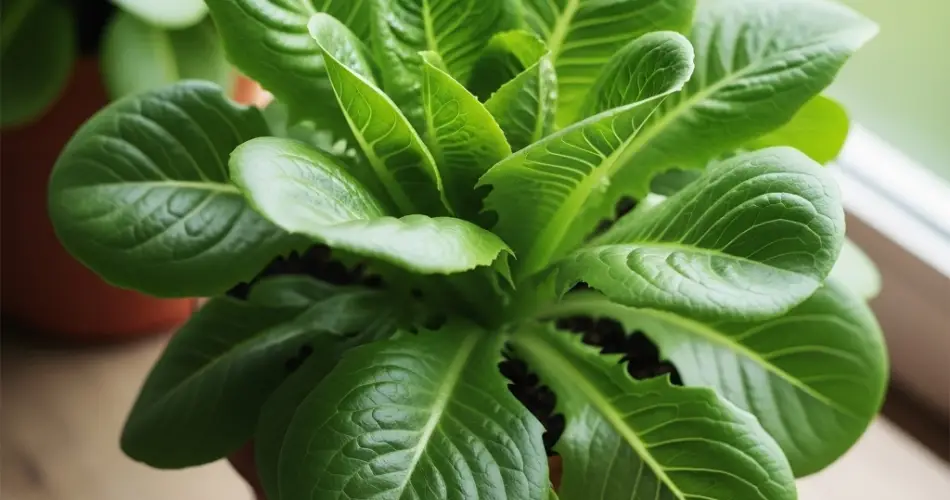
If you’re short on garden space but still want to enjoy fresh, homegrown greens, growing lettuce in pots on your patio is the perfect solution. Lettuce is one of the easiest vegetables to grow in containers and is ideal for beginners or anyone who wants quick, healthy harvests. With the right setup and a bit of care, you can enjoy crisp, flavorful leaves for salads, sandwiches, and garnishes straight from your patio.
Why Lettuce is Perfect for Patio Growing
Lettuce is well-suited for container gardening for several reasons. It has shallow roots, which means it doesn’t need deep soil to grow. It’s also fast-growing, often ready to harvest in as little as 30 days. Since lettuce thrives in cooler temperatures, patios that receive morning sun and afternoon shade provide an ideal microclimate.
Growing lettuce in pots allows better control over soil, drainage, and sunlight, reducing the risks of pests and diseases common in ground gardening. It also makes harvesting more convenient—you can snip fresh leaves just steps away from your kitchen.
Choosing the Right Lettuce Varieties
There are several lettuce types to choose from, and the best ones for containers are those that don’t require much space to form heads. Loose-leaf and butterhead lettuces are top choices for pot growing. These varieties grow compactly and can be harvested leaf by leaf over several weeks.
Some great container-friendly lettuce varieties include:
-
‘Little Gem’ – a mini romaine type with crisp, sweet leaves
-
‘Salad Bowl’ – a loose-leaf variety that grows quickly and abundantly
-
‘Buttercrunch’ – a soft, tender butterhead with excellent flavor
-
‘Red Sails’ – a beautiful red-leaf variety that adds color and texture
The Right Containers for Lettuce
You don’t need fancy pots to grow lettuce. Any container with a depth of 6 to 8 inches and good drainage will work. This includes plastic planters, clay pots, wooden boxes, or even upcycled buckets or crates. Make sure the containers have drainage holes at the bottom to prevent soggy soil and root rot.
Use lightweight pots for easier movement around the patio. You can also try vertical containers or window boxes if space is limited. For an attractive patio display, mix different varieties in the same planter for a colorful lettuce garden.
Soil and Fertilizer Needs
Lettuce prefers fertile, well-draining soil. A quality potting mix blended with compost or organic matter gives plants the nutrients they need while also ensuring proper drainage. Avoid using plain garden soil, which can be too heavy for containers.
To promote healthy, lush growth, feed your lettuce plants every two weeks with a diluted liquid organic fertilizer. Compost tea or seaweed extract works well and provides a gentle boost without overwhelming the plants.
Planting and Growing
Lettuce can be grown from seed or transplants. For seeds, scatter them evenly over the soil and lightly cover with a thin layer of potting mix. Keep the soil moist until seedlings emerge, which usually takes 5 to 10 days. If you’re planting seedlings, space them 4 to 6 inches apart to give each plant room to grow.
Patio-grown lettuce thrives with regular watering. The shallow roots dry out quickly in pots, especially in warm weather. Water when the top inch of soil feels dry, but avoid overwatering to prevent rot. In hot climates, consider moving containers to partial shade or using a shade cloth to keep the plants cool.
Harvesting Your Patio Lettuce
You can begin harvesting loose-leaf varieties when the leaves are about 4 inches long. Simply snip the outer leaves with scissors, allowing the center to keep growing for a continuous harvest. This method, called “cut-and-come-again,” can provide several weeks of fresh greens from the same plant.
If you’re growing head lettuce, wait until the head forms fully, then cut it at the base. After harvesting, you can replant the pot with new seeds or rotate in another crop like herbs or radishes.
Common Issues and Tips
While patio lettuce is generally easy to grow, a few challenges can arise:
-
Aphids and slugs may appear—use neem oil spray or hand removal for pests.
-
Bolting (when the plant sends up a flower stalk) is triggered by heat. Choose heat-resistant varieties and provide shade to delay this process.
-
Yellowing leaves may indicate overwatering or nutrient deficiency—adjust your watering routine and feed regularly.
To extend your harvest throughout the season, plant new lettuce seeds every two to three weeks. This staggered approach ensures you always have fresh greens ready to pick.
Final Thoughts
Growing lettuce on your patio in pots is a simple and satisfying way to enjoy fresh produce at home. With minimal space and just a few containers, you can create a vibrant mini-garden that keeps your salad bowl full. Whether you’re a gardening newbie or a seasoned grower, lettuce is a low-effort, high-reward crop that thrives in even the smallest outdoor spaces.


