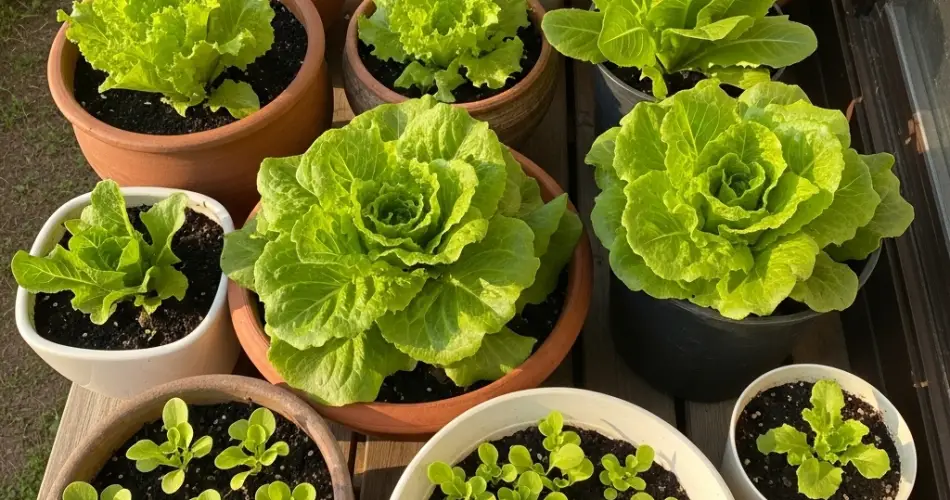
If you think fresh, homegrown vegetables are only possible with a backyard garden, think again. Lettuce, one of the easiest leafy greens to grow, can thrive in pots on a balcony, patio, or even a windowsill. It grows quickly, doesn’t require deep soil, and adapts well to container conditions. With a few simple steps, you can enjoy a steady harvest of crisp, nutritious leaves—no yard required.
Why Lettuce is Perfect for Container Gardening
Lettuce is a compact crop that prefers cool weather and shallow roots, which makes it perfect for growing in pots. Unlike many vegetables that need deep garden beds or lots of sunshine, lettuce can grow with moderate sunlight and fits easily into small containers. Whether you’re short on space or just want to try your hand at home gardening, lettuce is one of the most beginner-friendly crops to start with.
Choosing the Right Containers
When growing lettuce in pots, container size and drainage matter. Lettuce roots don’t grow very deep, so a pot that’s at least 6 to 8 inches deep will do. Focus more on width, which allows you to space out multiple plants.
You can use:
-
Plastic or ceramic pots with drainage holes
-
Wooden boxes lined with plastic
-
Recycled containers like food-grade buckets
-
Shallow window boxes or trough planters
Whatever container you choose, ensure it has adequate drainage. This prevents soggy soil, which can lead to root rot.
Selecting Lettuce Varieties for Pots
Many lettuce varieties grow well in containers. Leaf lettuces are especially suited for pots, as they grow quickly and can be harvested leaf by leaf. Here are a few good options:
-
Loose-leaf lettuce: Includes varieties like ‘Green Salad Bowl’ or ‘Red Oakleaf’. Great for repeated harvests.
-
Romaine (Cos): Upright growth saves space and offers crunchy leaves.
-
Butterhead: Soft, sweet leaves and small, compact heads.
Avoid large head lettuces like iceberg, which require more space and take longer to mature.
Preparing the Soil
The key to growing healthy lettuce is good soil. Use a high-quality potting mix that drains well but retains enough moisture. Avoid using garden soil in pots—it’s often too dense and can lead to poor drainage.
Add compost or a slow-release organic fertilizer to enrich the mix. Lettuce is a light feeder but does better with a nutrient-rich medium. If you prefer liquid fertilizers, apply a diluted dose every two weeks.
How to Plant Lettuce in Pots
You can grow lettuce from either seeds or young transplants. If using seeds:
-
Fill your pot with moist potting soil.
-
Sprinkle the seeds thinly across the surface.
-
Lightly cover with a fine layer of soil or simply press them into the surface.
-
Mist gently with water.
Keep the soil consistently moist until the seeds germinate—usually within 7 to 10 days. Once the seedlings appear and grow to about 2 inches tall, thin them out to leave about 4 to 6 inches between plants.
If you’re starting with seedlings, plant them at the same depth they were growing in their nursery trays. Gently firm the soil around the roots and water well.
Sunlight and Temperature Needs
Lettuce grows best in cool conditions, ideally between 60°F and 70°F (15°C to 21°C). Too much heat can cause it to bolt—go to seed—which makes the leaves bitter.
Place your pots in a spot that gets 4 to 6 hours of sunlight each day. In warmer climates or during summer, offer partial shade in the afternoon to prevent overheating. If you’re growing indoors, a bright windowsill will work just fine.
Watering and Care
Lettuce needs consistent moisture to grow tender and flavorful. Check the soil daily—especially in warm weather—and water whenever the top inch feels dry. Water at the base of the plants to avoid wetting the leaves, which can promote fungal diseases.
Avoid letting the soil dry out completely, but don’t keep it soggy either. Well-draining pots are essential for maintaining a balance.
Watch for pests like aphids, slugs, and snails. In small-scale container gardening, these can usually be picked off by hand or managed with organic insecticidal soap.
Harvesting Your Lettuce
Lettuce can be harvested in a couple of ways:
-
Leaf harvesting: Pick the outer leaves as needed, allowing the plant to keep growing from the center. This method gives you multiple harvests from the same plant.
-
Full harvest: If you prefer a whole head, wait until it’s mature, then cut it off at the base.
Harvest in the morning for the best flavor and texture. Regular picking encourages new growth and prevents plants from bolting.
A Fresh Way to Garden
Growing lettuce in pots offers a simple and satisfying way to enjoy fresh, healthy food at home—no matter how small your space. With minimal effort, you can turn a sunny windowsill, balcony, or porch into a productive little salad garden. Once you experience the joy of picking your own lettuce, store-bought greens may never taste the same again.


