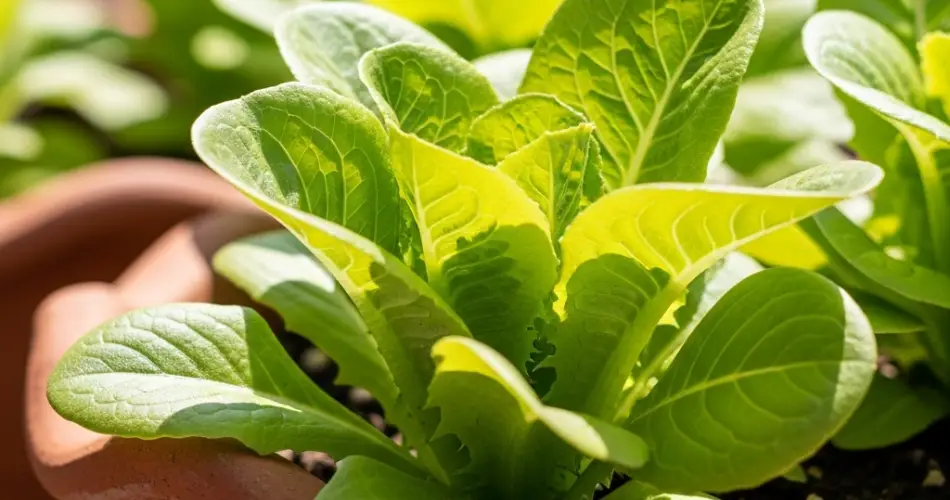
You don’t need a backyard or even a balcony to grow your own fresh lettuce. With just a small pot, a sunny windowsill, and a little care, you can cultivate crisp, green lettuce right in your kitchen. Lettuce is one of the easiest leafy greens to grow indoors, and it’s perfect for people living in apartments or tight urban spaces. Whether you want a small harvest for sandwiches or a full bowl for salads, kitchen-grown lettuce is fast, fuss-free, and rewarding.
Why Lettuce is Ideal for Indoor Growing
Lettuce is a cool-season crop with shallow roots, making it perfectly suited for container growing indoors. It grows quickly—some varieties are ready to harvest in as little as three weeks. It doesn’t require deep pots or heavy fertilizing, and it thrives in moderate indoor temperatures. All of this makes it an ideal choice for growing on a windowsill, countertop, or any sunny spot in your kitchen.
Plus, having fresh greens within arm’s reach encourages healthier eating. You can snip off a few leaves right when you need them—no need to run to the store.
Choosing the Best Lettuce Varieties
Not all lettuce types perform equally well indoors. For growing in kitchen pots, go for compact, fast-growing varieties. Loose-leaf lettuce is generally the best choice, as it grows quickly and allows for continuous harvests.
Top indoor-friendly varieties include:
-
‘Black Seeded Simpson’ – a fast-growing loose-leaf variety
-
‘Oak Leaf’ – tender, colorful, and compact
-
‘Buttercrunch’ – soft texture and sweet flavor, ideal for small pots
-
‘Red Salad Bowl’ – adds visual appeal with its deep red leaves
Look for seed packets labeled as “container-friendly,” “compact,” or “cut-and-come-again.”
Picking the Right Pot and Soil
You don’t need anything fancy to start. A simple pot that’s 6–8 inches deep with good drainage holes is sufficient. You can use plastic containers, ceramic pots, recycled jars (with added drainage), or even repurposed kitchen items like colanders.
The key is to use a light, nutrient-rich potting mix. Avoid garden soil, which can become compacted and may harbor pests. Choose a high-quality indoor potting mix and enrich it with a bit of compost or worm castings to boost nutrient content.
Location and Light Requirements
Lettuce thrives in bright, indirect light. A sunny kitchen windowsill that gets at least 4 to 6 hours of sunlight daily is ideal. If your kitchen lacks natural sunlight, you can supplement with LED grow lights placed 6–8 inches above the plants. Set the lights on a timer for 12–14 hours a day to mimic natural conditions.
Keep lettuce away from heat sources like stoves or ovens, as high temperatures can cause wilting or bolting (early flowering that ruins the taste).
Planting Your Lettuce
Sow seeds directly into the pot by sprinkling them evenly across the surface. Cover with a thin layer of soil—about 1/8 inch is enough. Mist the surface with water to moisten the soil without disturbing the seeds.
In about 5–10 days, you’ll see tiny green shoots. Once the seedlings are 2 inches tall, thin them out to give each plant about 2 inches of space. You can eat the thinned-out sprouts as microgreens.
To maintain a steady supply of lettuce, plant a few seeds every week or two. This way, as you harvest one batch, a new one will already be growing.
Watering and Feeding
Lettuce loves moisture but hates soggy roots. Keep the soil consistently moist by watering lightly whenever the top inch feels dry. Avoid overwatering by ensuring your pot has drainage holes and by emptying any water from saucers or trays.
Feed your plants every 10–14 days with a mild, balanced liquid fertilizer—preferably organic. Over-fertilizing can cause leaf burn or overly rapid growth that reduces flavor, so keep feedings light.
Harvesting Lettuce Indoors
One of the best things about growing lettuce in your kitchen is the ease of harvest. You don’t need to wait for the plant to mature completely. Once leaves are about 4 inches long, begin harvesting from the outer edges, allowing the inner leaves to continue growing. This cut-and-come-again method lets you harvest repeatedly for several weeks.
If you prefer to grow full heads, wait until the plant matures (around 30–45 days, depending on the variety), then cut the whole plant at the base.
Tips for Success
-
Rotate pots every few days if sunlight is uneven to ensure even growth.
-
Keep air circulating to reduce the chance of mold or fungal issues.
-
Avoid overcrowding—give each plant enough space to breathe and grow.
-
Watch for aphids or fungus gnats—they’re rare indoors but can show up. A light neem oil spray can keep pests at bay.
Final Thoughts
You don’t need a sprawling garden to enjoy fresh greens. With a few pots and a sunny windowsill, you can grow quick, delicious lettuce right in your kitchen. This simple, satisfying indoor gardening project brings freshness into your daily meals and adds a vibrant touch of green to your living space. It’s practical, affordable, and a great way to enjoy a harvest even in the smallest homes.


