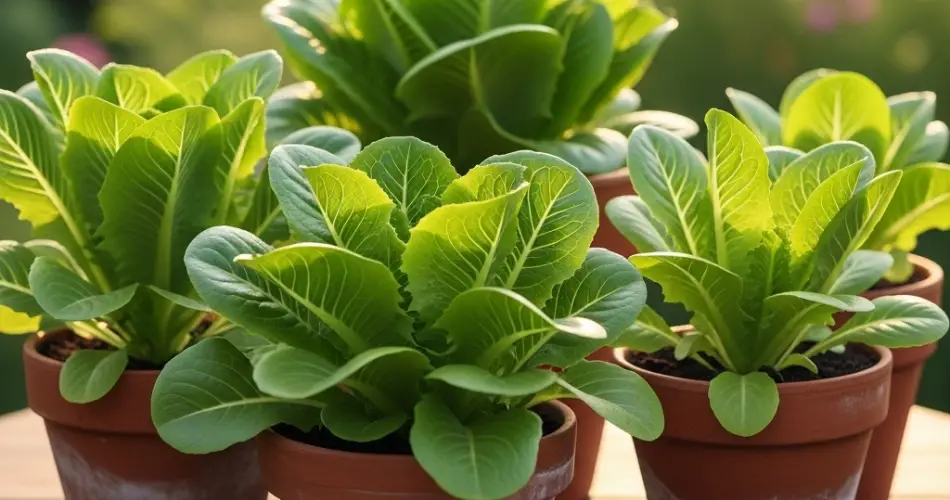
Growing fresh lettuce at home doesn’t require a large garden or a greenhouse. Even if you only have a small balcony, patio, or sunny windowsill, you can enjoy crisp, homegrown lettuce using pots or containers. Lettuce is one of the easiest leafy greens to grow in confined spaces, making it ideal for beginners and urban gardeners. This guide walks you through the basics of successfully cultivating lettuce in pots.
Why Grow Lettuce in Pots?
Lettuce grows quickly and doesn’t need deep soil, making it perfectly suited for containers. In fact, growing lettuce in pots has several benefits:
-
You can control soil quality and drainage.
-
It’s easier to manage pests and diseases.
-
Lettuce stays cleaner, especially during rainy weather.
-
You can move the pots to adjust sunlight or protect them from extreme conditions.
Additionally, growing lettuce in containers means you can harvest fresh leaves on demand without making a trip to the grocery store.
Choosing the Right Container
Lettuce has shallow roots, so your pot doesn’t need to be very deep—about 6–8 inches is usually sufficient. However, a wider container allows you to grow more plants and space them out properly.
Some suitable container options include:
-
Plastic pots with drainage holes
-
Rectangular planter boxes
-
Recycled buckets or food-grade containers
-
Hanging baskets (ideal for certain leaf varieties)
Ensure that your pot has good drainage. If necessary, drill extra holes at the bottom to avoid soggy roots.
Best Lettuce Varieties for Pots
While nearly all types of lettuce can grow in pots, some are more container-friendly than others. Consider these types:
-
Leaf lettuce: Fast-growing and doesn’t require forming a head. Varieties like ‘Black Seeded Simpson’ or ‘Red Sails’ are great for cut-and-come-again harvests.
-
Romaine (Cos): Upright growth makes it suitable for tight spaces.
-
Butterhead: Tender leaves and compact heads that adapt well to pots.
Avoid iceberg lettuce for container gardening, as it needs more space and takes longer to mature.
Soil and Fertilizer Needs
Lettuce prefers loose, well-draining soil that’s rich in organic matter. Use a good-quality potting mix rather than garden soil, which may compact and hinder drainage.
You can mix in compost or a slow-release organic fertilizer to provide essential nutrients. Lettuce is a light feeder, but because water tends to wash nutrients out of pots quickly, it helps to refresh the soil or fertilize lightly every two weeks with a diluted liquid feed.
Planting Lettuce in Pots
You can start lettuce from seeds or transplants. If sowing seeds:
-
Fill the container with moist potting mix.
-
Sprinkle the seeds lightly over the surface.
-
Cover with a thin layer of soil—lettuce seeds need light to germinate.
-
Mist gently with water.
Keep the soil moist but not soggy. Germination usually takes 7–10 days.
Once the seedlings are about 2 inches tall, thin them to avoid overcrowding. Leave about 4–6 inches between each plant for leaf varieties, and a little more for heading types.
If using transplants, dig small holes and set each seedling at the same depth it was growing in its nursery pot. Press the soil gently around the base and water thoroughly.
Light and Temperature Requirements
Lettuce loves cool weather and grows best in temperatures between 60°F to 70°F (15°C to 21°C). In hot climates, provide light shade during the afternoon to prevent the plants from bolting (going to seed prematurely).
Place your pots in a location that gets at least 4–6 hours of sunlight daily. During hotter months, consider moving the containers to a spot with filtered light or using shade cloth.
Watering Tips
Consistent moisture is key for tender lettuce leaves. Since pots dry out more quickly than garden beds, check the soil daily. Water when the top inch feels dry. Always water at the base of the plant to avoid fungal problems.
Avoid overwatering, which can cause root rot. Use containers with proper drainage, and empty saucers after watering to prevent standing water.
Harvesting Lettuce
Lettuce can be harvested in two main ways:
-
Cut-and-come-again: Snip outer leaves once they reach a usable size, allowing the inner leaves to keep growing.
-
Whole-head harvest: For romaine or butterhead types, wait until a full head forms, then cut the entire plant at the base.
Regular harvesting encourages new growth and helps prevent the plants from bolting.
Final Tips for Success
-
Sow seeds every 2–3 weeks for a continuous supply of fresh lettuce.
-
Watch for pests like aphids or snails, especially in humid conditions.
-
Clean pots between plantings to prevent disease buildup.
Growing lettuce in pots is a satisfying and low-maintenance way to bring fresh greens to your table. With the right care, even small spaces can yield an abundant crop. Whether you’re new to gardening or looking for a compact growing method, container lettuce offers a rewarding experience and a healthier diet.


