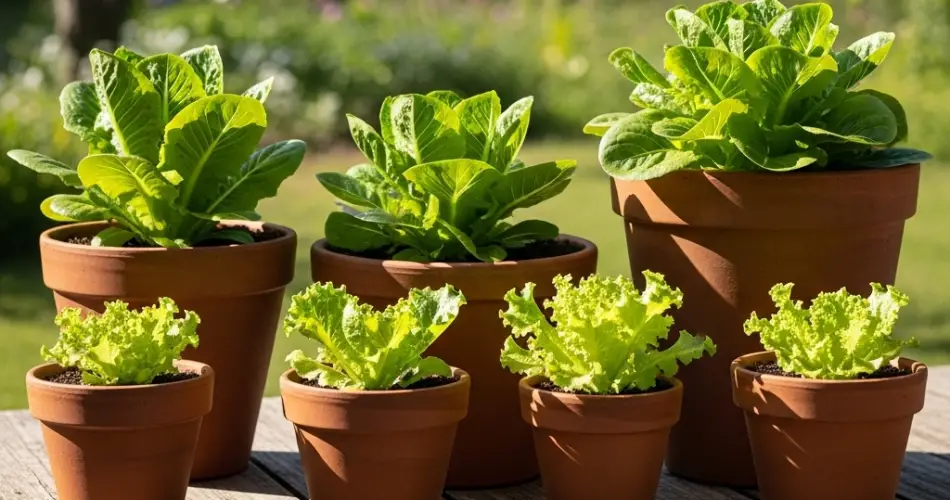
Urban gardening is gaining popularity, and one of the most rewarding crops to grow in small spaces is lettuce. Whether you have a tiny balcony, a windowsill, or a modest backyard, you can enjoy fresh, crisp lettuce straight from your own mini-garden. Lettuce is a fast-growing, low-maintenance crop that thrives in containers and offers a continuous supply of greens when managed correctly. This guide walks you through growing, caring for, and harvesting lettuce in tight spaces so you can enjoy homegrown salads anytime.
Choosing the Right Lettuce Variety
Lettuce comes in various types—loose-leaf, romaine, butterhead, and crisphead. For small spaces and containers, loose-leaf and butterhead varieties are ideal. They grow quickly, don’t require as much depth, and allow for cut-and-come-again harvesting. Some compact varieties to consider are ‘Tom Thumb’, ‘Little Gem’, ‘Red Salad Bowl’, and ‘Black Seeded Simpson’.
Best Containers for Lettuce
Lettuce doesn’t have deep roots, so shallow containers work perfectly. A pot that is 6–8 inches deep is sufficient. Window boxes, plastic tubs, recycled containers, or even hanging baskets can all be repurposed as lettuce planters. Make sure the container has good drainage holes to prevent root rot. Lightweight containers are great for balconies, while heavier pots work well on the ground to prevent tipping.
Soil Preparation
Use a well-draining potting mix enriched with compost or organic matter. Lettuce thrives in loose, fertile soil with good moisture retention. Avoid heavy garden soil, which can compact in pots. A balanced mix of peat, coconut coir, vermiculite, and compost offers an ideal growing medium. Before planting, lightly moisten the soil to make it easier for seeds or seedlings to take root.
Planting Lettuce
You can start lettuce from seeds or seedlings. If using seeds, scatter them thinly on the soil surface and cover with a fine layer of soil—about 1/8 to 1/4 inch deep. Water gently to avoid washing the seeds away. Lettuce prefers cooler temperatures, so place the containers where they get morning sun and some afternoon shade. If you’re in a hot climate, use a shade cloth or position the pots where they’re protected from strong sunlight.
For a steady harvest, plant lettuce every 2–3 weeks in succession. This method ensures you always have a new batch of leaves ready to harvest as older ones are picked.
Watering and Care
Lettuce needs consistent moisture to grow tender and flavorful leaves. Water the plants regularly, keeping the soil evenly moist but not soggy. Avoid watering the leaves directly to prevent fungal issues. A simple finger test can help—stick your finger into the soil; if the top inch feels dry, it’s time to water.
Apply a diluted liquid fertilizer once every 10–14 days to keep growth strong, especially in containers where nutrients wash away more quickly. Choose a balanced organic fertilizer or compost tea for best results.
Pest and Disease Management
While lettuce isn’t highly pest-prone, slugs, aphids, and snails can pose problems. Inspect your plants regularly, especially underneath the leaves. Use neem oil, insecticidal soap, or introduce beneficial insects like ladybugs to control aphids. For slugs, hand-picking or sprinkling crushed eggshells around the base of plants can help deter them.
Good airflow and spacing between plants also reduce the risk of fungal infections. Remove any damaged or yellowing leaves to keep the plant healthy.
Harvesting Lettuce
Lettuce can be harvested in two main ways. For loose-leaf varieties, you can pick the outer leaves as needed, allowing the inner leaves to continue growing. This method is called “cut-and-come-again” and can extend your harvest for several weeks. Simply use clean scissors or pinch off the leaves about an inch above the base.
Alternatively, if you’re growing a head-forming variety, wait until the head reaches full size and cut it off at the base. You can then replant in the same container or start a new batch for continuous harvest.
Tips for a Longer Harvest Season
To prolong your lettuce harvest, grow different varieties with staggered maturity rates. Also, rotate containers between sun and partial shade to reduce heat stress, especially during the warmer months. Regular harvesting encourages new growth, so don’t be afraid to pick often.
Conclusion
With minimal space, a few containers, and some basic care, anyone can grow lettuce at home. It’s one of the quickest crops to reward your efforts—going from seed to plate in as little as 30 days. Whether you use it for sandwiches, salads, or wraps, fresh lettuce from your own garden adds unbeatable flavor and crunch to your meals. Give it a try, and turn even the smallest space into a source of fresh, healthy greens.


