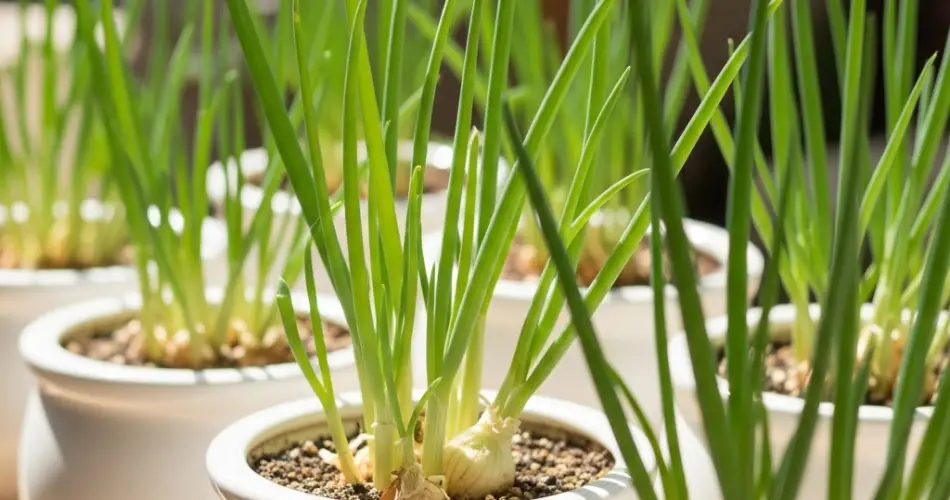
Fresh scallions, also known as green onions, are a versatile ingredient used in countless recipes around the world. Whether sprinkled on top of soups, added to stir-fries, or mixed into salads, their mild onion flavor enhances dishes in an instant. The best part? You don’t need a garden to grow them. With small planters and a little care, you can grow scallions right at home, even on a windowsill or kitchen counter.
Why Choose Scallions for Indoor Growing?
Scallions are an excellent choice for indoor gardening. They grow quickly, don’t need deep soil, and take up minimal space. Even beginners can have success with them. Plus, they can be regrown several times from the same base, making them cost-effective and sustainable. If you often find yourself throwing away wilted green onions from the fridge, growing your own ensures a fresh supply on hand whenever you need it.
What You’ll Need to Get Started
Growing scallions indoors requires just a few simple materials:
-
Small planters or pots: Use containers with drainage holes. These can be traditional pots or upcycled containers like plastic bottles or cups.
-
Potting mix: Choose a light, well-draining soil mix. Adding compost or coco peat can improve moisture retention and root health.
-
Scallion bases: You can use the white bulb ends left after cooking. Just make sure the roots are still attached.
-
Water: Regular watering is key to keeping scallions healthy and green.
-
A bright spot: A sunny windowsill or spot with indirect light will help scallions thrive.
Step-by-Step Planting Guide
1. Prepare Your Planters
Start with clean containers that have holes for drainage. Fill them with potting mix, leaving about an inch of space from the top. Lightly moisten the soil before planting.
2. Reuse Kitchen Scraps
After using the green part of the scallions in your cooking, save the white bulbs with the roots intact. Place them directly into the soil with the roots down and the top part just above the soil surface. Space them about an inch apart to allow for airflow and growth.
Alternatively, you can place the scallion bases in a shallow glass of water for a few days. Once the roots grow longer and green shoots emerge, transfer them to the soil.
3. Light and Water Requirements
Scallions prefer indirect light but can tolerate some direct sun, especially in the morning. Place your planter near a window where it gets at least 4–6 hours of light daily. If natural light is limited, consider using a small grow light to supplement.
Water the soil lightly but consistently. The top layer should be moist but not soaked. Avoid overwatering, which can cause the roots to rot. A spray bottle is useful for giving them a gentle misting.
4. Harvesting Fresh Greens
Scallions grow quickly indoors. Within 7 to 10 days, you’ll notice fresh green growth. When the greens reach about 6–8 inches tall, they’re ready to be trimmed. Use clean scissors to cut the greens about an inch above the soil line. The plants will regrow new shoots in a matter of days, giving you a continuous harvest.
5. Maintain for Multiple Harvests
Scallions can be harvested multiple times from the same base. However, over time, the quality and quantity of the greens may decline. You can either replace the old bulbs with new ones from your kitchen scraps or plant additional bulbs in a fresh pot to keep the cycle going.
Tips for Healthy Scallions
-
Rotate the planter every few days so all sides get equal light, promoting upright and even growth.
-
Use liquid organic fertilizer once every 2–3 weeks to boost growth.
-
Trim yellow or damaged leaves to maintain healthy plants.
-
Don’t overcrowd the container, as this can lead to poor airflow and mold growth.
Creative Planter Ideas
Don’t feel limited to traditional pots. Scallions do well in all kinds of containers, as long as they provide good drainage. Here are some creative options:
-
Recycled plastic bottles: Cut them in half and poke holes at the bottom.
-
Ceramic mugs: Turn chipped or unused mugs into charming planters.
-
Tin cans or jars: Just drill drainage holes and add a saucer underneath.
Label your containers if you’re growing multiple batches or different herbs alongside scallions. This adds a personal touch and helps with organization.
Final Thoughts
Growing scallions at home in small planters is a simple yet rewarding way to bring fresh flavor into your kitchen. Whether you live in a spacious house or a compact apartment, this indoor gardening project is easy to manage and produces quick results. With a few scraps, soil, and sunlight, you can turn everyday kitchen waste into a continuous supply of delicious greens.


