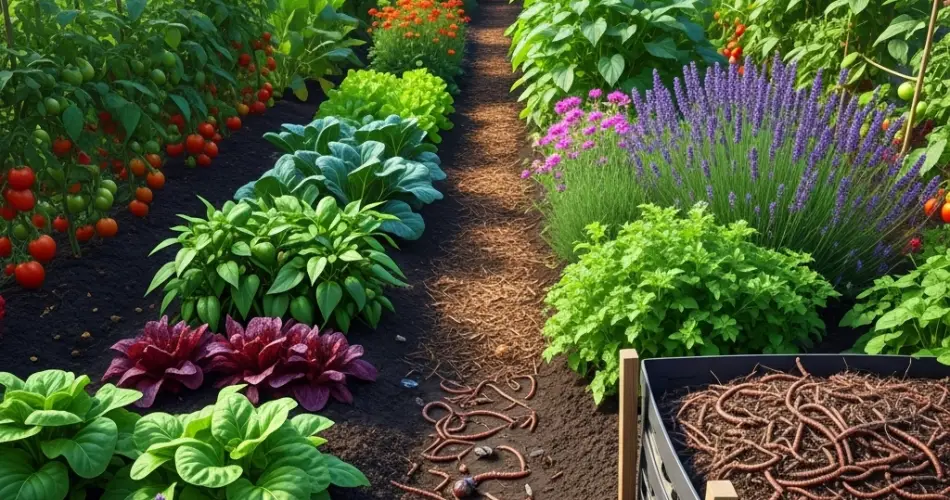
Starting an organic garden at home is a rewarding way to grow your own food, reduce your environmental impact, and enjoy a closer connection with nature. Whether you have a large backyard, a small patio, or just a few containers on a balcony, organic gardening is possible for anyone. The key is to work with nature rather than against it—using natural methods to build healthy soil, support plant growth, and deter pests.
If you’re just beginning your journey into organic gardening, here are practical tips to help you get started and succeed.
1. Start Small and Choose the Right Location
Don’t try to grow everything at once. Start with a few easy-to-grow plants, such as lettuce, tomatoes, basil, or radishes. Choose a spot that receives at least 6 to 8 hours of direct sunlight daily, as most vegetables need full sun to thrive.
If you’re limited on space, consider using containers or raised beds. Even a few pots on a windowsill can yield herbs or greens.
2. Understand Your Soil
Healthy soil is the foundation of a successful organic garden. Unlike conventional gardening, which often relies on synthetic fertilizers, organic gardening focuses on improving soil health naturally.
-
Test your soil: Use a home test kit or send a sample to a local extension service to check pH and nutrient levels.
-
Add organic matter: Mix compost, well-rotted manure, or leaf mold into your soil to enrich it and improve drainage and structure.
-
Avoid chemical fertilizers: Use natural alternatives like compost tea, worm castings, or seaweed extract to nourish your plants.
The more organic matter you add, the more life your soil will have—and the better your plants will grow.
3. Choose Organic Seeds and Plants
Start with organic, non-GMO seeds and seedlings when possible. These are grown without synthetic pesticides or fertilizers and are better suited for organic gardening conditions.
Look for varieties labeled as:
-
Certified organic
-
Heirloom (for seed-saving potential)
-
Disease-resistant (to help prevent common garden problems)
These plants often adapt better to natural conditions and promote a more sustainable garden ecosystem.
4. Compost Your Kitchen and Garden Waste
Composting is an essential part of organic gardening. It reduces waste and creates a nutrient-rich soil amendment that improves plant health naturally.
You can compost:
-
Fruit and vegetable scraps
-
Coffee grounds and tea bags
-
Eggshells
-
Grass clippings and dry leaves
Avoid adding meat, dairy, or oily foods, as they attract pests. A small compost bin or pile can turn your everyday waste into black gold for your garden.
5. Use Natural Pest Control
In an organic garden, avoiding harmful chemicals means managing pests in eco-friendly ways. Prevention is the best strategy:
-
Plant companion crops to deter pests (e.g., marigolds with tomatoes to repel nematodes).
-
Attract beneficial insects like ladybugs and lacewings by growing flowers such as yarrow, dill, and calendula.
-
Hand-pick pests like caterpillars or beetles in the early morning.
-
Use barriers such as row covers or netting to protect young plants.
For tougher problems, consider using neem oil, insecticidal soap, or diatomaceous earth—all approved for organic gardening.
6. Water Wisely
Proper watering is essential for plant health. Water in the early morning or late afternoon to minimize evaporation and fungal issues.
-
Use a soaker hose or drip irrigation system to water at the base of the plants.
-
Mulch your garden to retain moisture and regulate soil temperature.
-
Water deeply but less frequently to encourage deep root growth.
Avoid wetting the foliage excessively, as this can lead to diseases like powdery mildew or blight.
7. Practice Crop Rotation and Diversity
Growing the same crops in the same place every year can deplete the soil and encourage pests. Rotate your crops each season to improve soil fertility and reduce disease risks.
-
Follow a rotation pattern such as: leafy greens → fruiting plants → root crops → legumes.
-
Include a mix of plant types and companion plants to create a balanced, resilient ecosystem.
The more biodiversity in your garden, the more stable and self-sustaining it becomes.
8. Be Patient and Observe
Organic gardening is a process. It may take a season or two for your soil to become rich and productive or for your plants to adjust to natural growing conditions. Spend time observing your garden—watch how plants respond to sun, water, and weather, and look for signs of pests or stress early.
Keep a gardening journal to track your successes, challenges, and what works best in your specific conditions.
Final Thoughts
Organic gardening at home isn’t just about growing food—it’s about building a deeper relationship with the natural world. By using natural practices and working in harmony with your environment, you’ll not only harvest healthy fruits and vegetables but also create a garden that nurtures the soil, supports wildlife, and brings lasting satisfaction. With patience, consistency, and a love for the process, anyone can become a successful organic gardener.


