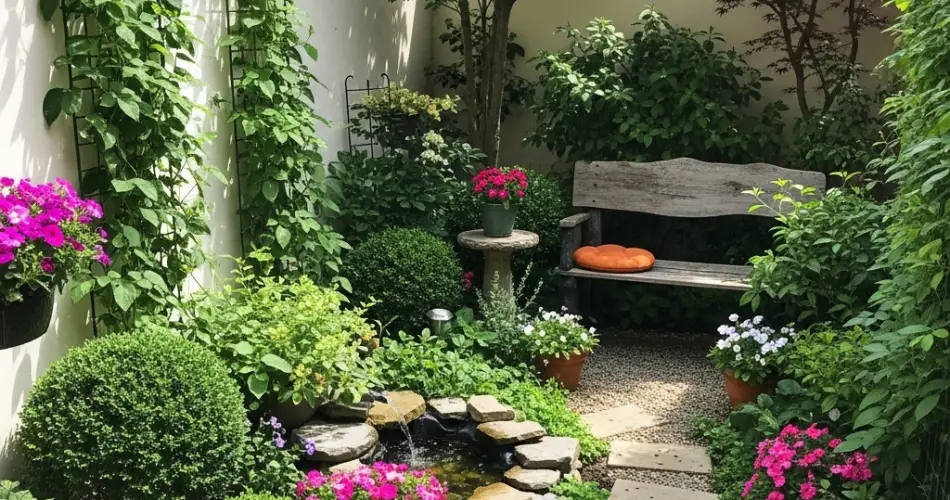
Living in a small home, apartment, or urban space doesn’t mean you have to miss out on the joys of gardening. With a bit of creativity and the right approach, even the tiniest balcony, windowsill, or kitchen corner can be transformed into a thriving green sanctuary. Whether you want to grow herbs, flowers, or vegetables, these simple gardening hacks will help you make the most of your limited space and enjoy the benefits of homegrown plants.
1. Use Vertical Space
When floor space is tight, think vertically. Growing upward allows you to fit more plants without cluttering your home.
-
Wall planters: Attach wall-mounted pots or hanging pouches to your walls or fences. Great for herbs and leafy greens.
-
Hanging baskets: Suspend baskets from the ceiling, balcony railing, or a mounted hook. Use them for trailing plants like strawberries, petunias, or ivy.
-
Ladder shelves: Repurpose an old ladder or tiered shelf to create a vertical plant display. Place small pots on each level for a decorative and functional mini-garden.
2. Grow in Containers
Container gardening is ideal for small homes because it’s flexible and manageable.
-
Choose the right size: Use pots that match the plant’s growth habit. Shallow containers work for lettuce and radishes, while deeper pots suit tomatoes and peppers.
-
Repurpose household items: Old mugs, tin cans, buckets, and wooden crates can become charming planters with a few drainage holes.
-
Use lightweight containers: Plastic or fabric grow bags are easy to move around and perfect for balconies or rooftop spaces.
3. Opt for Compact and Dwarf Varieties
Many plants come in compact or dwarf forms that are perfect for small-space gardening.
-
Try dwarf tomatoes, mini bell peppers, bush beans, or baby carrots.
-
Choose herbs like basil, thyme, chives, and parsley that grow well in small pots and have multiple uses in the kitchen.
-
For flowers, go with marigolds, pansies, or succulents that stay neat and manageable.
These varieties require less space but still offer a generous harvest or vibrant blooms.
4. Make Use of Windowsills
If you have a sunny windowsill, you already have a great space for growing plants indoors.
-
Herbs thrive in small pots on kitchen windowsills—basil, mint, and oregano are great starters.
-
Use tray planters or small rectangular containers for microgreens or leafy greens.
-
Rotate the plants occasionally to ensure even sun exposure and prevent leaning.
If natural light is limited, consider using grow lights to supplement plant needs, especially during winter.
5. Create a DIY Hanging Garden
Make the most of overhead space by hanging your plants.
-
String several containers at different heights using strong twine or rope.
-
Install a rod or curtain tension pole near a sunny window and hang planters from it.
-
Use macrame hangers to give your garden a cozy, stylish look while keeping plants off crowded surfaces.
Hanging gardens not only save space but also double as living decor.
6. Build a Pallet Garden
Wooden pallets are affordable, easy to find, and excellent for small-space gardening.
-
Stand a pallet upright and add fabric or landscape fabric behind each row to hold soil and plants.
-
Plant herbs, leafy greens, or succulents in each slot.
-
Lean it against a sunny wall or fence to create a rustic, vertical garden.
Pallet gardens are perfect for renters or anyone looking for a temporary gardening setup.
7. Use Smart Watering Techniques
In small spaces, overwatering can lead to root rot and messes. Here are a few watering tips:
-
Use self-watering containers or add a water reservoir at the base of your pots.
-
Place a tray or saucer under containers to catch excess water.
-
Water in the early morning or evening to reduce evaporation and help plants absorb moisture better.
-
Group plants with similar watering needs to make maintenance easier.
8. Try Hydroponic or Water-Based Gardening
If you’re short on soil or want a low-maintenance option, hydroponics is a great solution.
-
Grow herbs and leafy greens in jars or water containers using hydroponic nutrient solutions.
-
Use a mason jar with a net pot to hold the plant, and suspend it so the roots touch the water below.
-
This soil-free method is tidy, space-saving, and efficient for small apartments or kitchens.
9. Label and Organize
Keep your small garden tidy and functional by labeling plants and organizing your setup.
-
Use plant markers, chalkboard tags, or painted stones to label each pot.
-
Organize tools, seeds, and accessories in a small basket or drawer to avoid clutter.
-
Arrange plants by height or growth habit to maximize light exposure and airflow.
A clean and well-organized garden is easier to maintain and more enjoyable to use.
Final Thoughts
Gardening in small spaces doesn’t have to be complicated. With a few clever hacks and a touch of creativity, you can create a vibrant and productive green space anywhere—whether it’s a balcony, a kitchen shelf, or a sunny window. These easy gardening tips allow you to grow your own herbs, vegetables, and flowers with minimal space, offering beauty, freshness, and a deeper connection to nature right at home.


