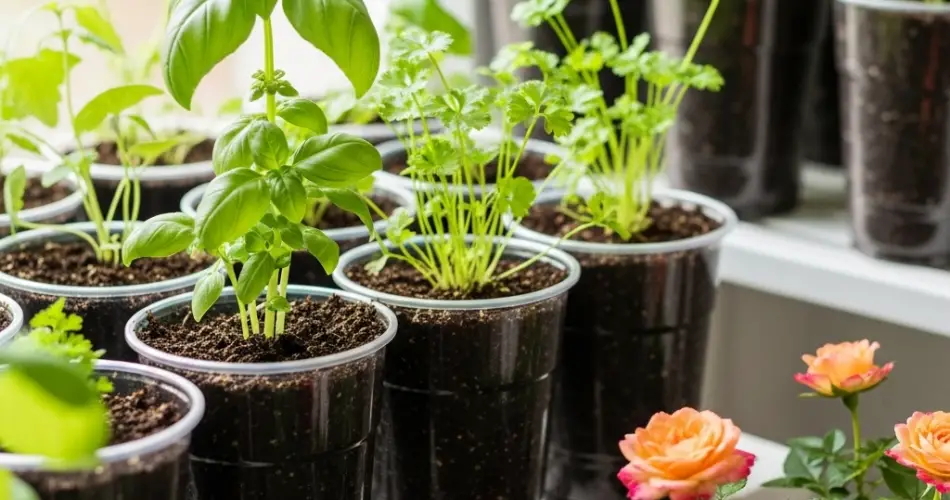
Gardening at home is one of the most rewarding hobbies you can take on—but it doesn’t have to be expensive. With a bit of creativity and smart planning, you can grow beautiful flowers, herbs, fruits, and vegetables without spending a lot of money. Whether you’re working with a small balcony or a backyard garden, there are plenty of ways to make home gardening affordable, sustainable, and fun.
Here’s everything you need to know to get started with home gardening on a budget.
1. Start with Seeds, Not Seedlings
One of the easiest ways to cut gardening costs is by starting from seeds instead of purchasing nursery-grown seedlings. A single packet of seeds can produce dozens of plants for a fraction of the cost.
-
Buy in bulk or join a seed swap with local gardeners.
-
Save seeds from kitchen produce like tomatoes, peppers, or cucumbers.
-
Choose easy-to-grow plants like lettuce, radishes, beans, and marigolds if you’re just starting out.
Seed-starting trays aren’t necessary—use recycled egg cartons, yogurt cups, or toilet paper rolls as DIY seed starters.
2. Use Recycled Containers
You don’t need to buy fancy pots or planters. Look around your home for containers you can repurpose:
-
Plastic bottles can be cut into hanging planters or mini greenhouses.
-
Old buckets, crates, or drawers can hold soil and plants.
-
Cans, jars, and takeout containers make great seedling pots when cleaned and poked with drainage holes.
Just make sure whatever container you use has proper drainage to prevent root rot.
3. Make Your Own Compost
Skip the expensive fertilizers and build your own compost pile using kitchen and garden waste. Compost improves soil quality and adds vital nutrients to help your plants thrive.
-
Use fruit and vegetable scraps, coffee grounds, eggshells, and grass clippings.
-
Avoid adding meat, dairy, or oily food waste, which can attract pests.
-
Turn your compost pile every few weeks to help it break down faster.
If you don’t have yard space, you can compost in a bucket, bin, or plastic storage container on a balcony or patio.
4. Build Simple Raised Beds
Instead of buying raised garden beds, consider making your own using inexpensive or free materials:
-
Use pallet wood, untreated scrap lumber, or old bricks and stones to create raised borders.
-
Fill beds with a mix of soil, compost, and natural amendments like crushed leaves or grass clippings.
Raised beds help reduce weeds, improve drainage, and make gardening easier—especially if you have poor soil.
5. Choose Low-Maintenance, High-Yield Plants
To get the most from your efforts, focus on plants that are easy to grow and produce a steady harvest.
Budget-friendly options include:
-
Lettuce and spinach: Fast-growing and great for multiple harvests.
-
Tomatoes and peppers: Highly productive in containers or small garden beds.
-
Zucchini and cucumbers: Produce abundantly throughout the season.
-
Herbs like basil, mint, parsley, and oregano: Useful in the kitchen and easy to grow in small spaces.
Avoid rare or delicate plants that require special soil or conditions unless you’re ready for the extra expense and care.
6. DIY Natural Fertilizers and Pest Control
Store-bought garden products can be pricey, but there are plenty of free or cheap alternatives you can make at home.
-
Banana peel tea or eggshell water provides potassium and calcium.
-
Compost tea gives plants a nutrient boost.
-
Use dish soap and water to control aphids and mites.
-
Sprinkle coffee grounds or crushed eggshells around plants to deter slugs and snails.
These DIY solutions are effective, eco-friendly, and gentle on your garden.
7. Collect Rainwater
Reduce water bills by collecting rainwater to hydrate your plants. All you need is a bucket or barrel placed under a roof edge or gutter.
-
Store water in a covered container to prevent mosquitoes.
-
Use it to water plants during dry spells or in areas with water restrictions.
Rainwater is often softer and more plant-friendly than tap water.
8. Get Creative with Garden Decor
Beautifying your garden doesn’t have to mean buying new decorations. Use items you already have:
-
Paint old cans or jars to use as colorful planters.
-
Stack old tires to create a tiered garden bed.
-
Create plant markers from popsicle sticks, broken pots, or painted stones.
Not only will this save money, but it also adds a unique and personal touch to your garden.
Final Thoughts
Home gardening doesn’t have to drain your wallet. With a resourceful mindset and a little DIY spirit, you can enjoy the beauty and benefits of gardening no matter your budget. From seed-saving and composting to using recycled materials and low-cost techniques, there are countless ways to grow your own garden without overspending.
Whether you’re growing a few herbs on a windowsill or a full vegetable patch in your backyard, gardening on a budget is not only possible—it’s incredibly rewarding.


