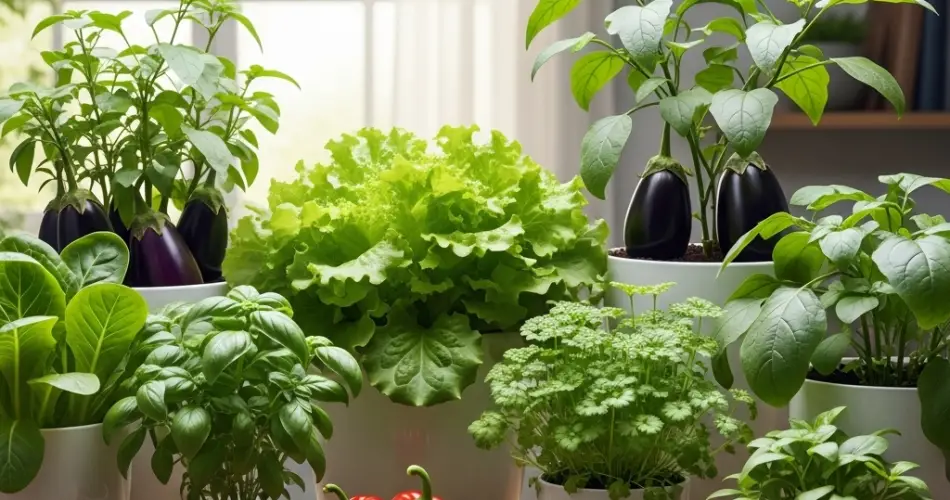
Growing vegetables indoors can be a highly rewarding experience, especially when you know they’re thriving on all-natural nourishment. Whether you’re growing tomatoes on your kitchen windowsill, lettuce on your balcony, or herbs in pots on a shelf, organic fertilizers can make a big difference in plant health and productivity. Indoor plants are often more sensitive than those grown outside, so using gentle, chemical-free fertilizers is ideal for maintaining soil health and promoting safe, edible growth.
Here are several effective and easy-to-use organic fertilizer ideas you can use to support the healthy growth of your indoor vegetable plants.
1. Compost Tea
Compost tea is a nutrient-rich liquid created by steeping finished compost in water. It’s a gentle, effective fertilizer for indoor plants and also acts as a mild pest deterrent.
How to make it:
-
Fill a bucket with 1 part compost and 3 parts water.
-
Let it sit for 24–48 hours, stirring occasionally.
-
Strain the mixture and use the liquid to water your plants.
Apply once every 2–3 weeks to give your vegetables a natural boost in nutrients without overwhelming them.
2. Banana Peel Fertilizer
Banana peels are full of potassium, phosphorus, and calcium—essential nutrients that support flowering and fruit development.
Use methods:
-
Chop banana peels into small pieces and bury them in the soil around the base of your plants.
-
Alternatively, blend banana peels with water to create a liquid fertilizer.
This natural method slowly releases nutrients as the peel decomposes, especially beneficial for tomatoes, peppers, and leafy greens.
3. Eggshell Powder
Eggshells contain high levels of calcium, which is vital for preventing issues like blossom-end rot in tomatoes and peppers.
How to use:
-
Rinse and dry used eggshells.
-
Crush them into a fine powder using a blender or mortar and pestle.
-
Mix the powder into your potting soil or sprinkle it around the base of your plants.
Eggshells break down slowly, offering long-term calcium support to your indoor vegetables.
4. Coffee Grounds
Used coffee grounds add nitrogen to the soil and improve texture and water retention. They are especially helpful for leafy greens like spinach, lettuce, and arugula.
Application:
-
Let the grounds dry before use to prevent mold.
-
Mix a small amount (no more than 20% of the soil volume) into the potting mix or spread a thin layer on top.
Avoid overusing coffee grounds, as they can increase soil acidity over time.
5. Epsom Salt Solution
Epsom salt contains magnesium and sulfur—two nutrients essential for chlorophyll production and overall plant health.
How to apply:
-
Mix 1 tablespoon of Epsom salt in 1 liter of water.
-
Water your plants with this solution every 3–4 weeks.
This is especially useful for tomatoes and peppers, which often require extra magnesium.
6. Vegetable Scraps Water
Boiling water used to cook vegetables can double as a liquid fertilizer—just be sure not to add salt during cooking.
Steps:
-
Save the water after boiling vegetables like spinach, carrots, or potatoes.
-
Let it cool completely.
-
Use it to water your indoor plants.
This method is an easy way to recycle nutrients into your garden instead of down the drain.
7. Fish Tank Water
If you have a freshwater fish tank, the dirty water from cleaning it is loaded with beneficial nitrogen and microorganisms. This natural “wastewater” acts as a perfect organic fertilizer.
Tip: Only use tank water that doesn’t contain chemicals or salt. Water your vegetables with it as you would with plain water.
This is a zero-waste solution that benefits both your fish and your plants.
8. Molasses Mix
Molasses is high in sugars and minerals, and it feeds beneficial microbes in the soil. This microbial activity breaks down organic matter faster, improving soil health and plant nutrition.
To use:
-
Mix 1 tablespoon of unsulfured blackstrap molasses in 1 liter of water.
-
Apply to the soil every few weeks.
It also helps in balancing pH and improving nutrient absorption.
9. Seaweed Extract
Seaweed is packed with trace minerals, enzymes, and growth hormones that help boost plant growth, especially root development.
Usage:
-
You can purchase dried seaweed or seaweed-based liquid fertilizer from organic gardening stores.
-
Dilute according to package instructions and use as a foliar spray or soil drench.
It’s a gentle, safe choice for indoor plants and enhances resilience against environmental stress.
10. Worm Castings (Vermicompost)
Worm castings are rich in readily available nutrients and beneficial microbes. They’re odorless, safe for indoor use, and can be added directly to the potting mix.
How to apply:
-
Mix 1 part worm castings with 3 parts potting soil.
-
Or, sprinkle a thin layer on the surface of your pots every month.
Worm castings help improve soil structure, water retention, and overall plant vitality.
Final Tips for Using Organic Fertilizers Indoors
-
Less is more: Indoor plants need smaller, more frequent doses of fertilizer. Avoid overfeeding, which can lead to nutrient burn or salt buildup.
-
Watering and drainage: Ensure containers have good drainage to prevent soggy roots, especially when using liquid fertilizers.
-
Observe your plants: Yellowing leaves, slow growth, or poor flowering can signal nutrient deficiencies—adjust your fertilization routine accordingly.
Conclusion
Indoor gardening can thrive with the right organic fertilizers, many of which are already in your kitchen. From banana peels and coffee grounds to compost tea and worm castings, these natural options support healthy growth, better yields, and safer produce for you and your family. With a bit of care and creativity, your indoor veggie plants will flourish year-round using simple, sustainable solutions.


