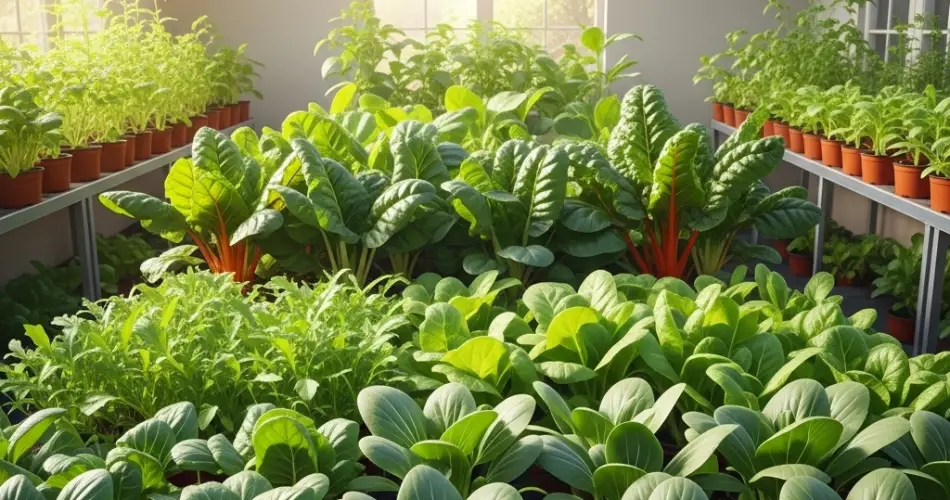
Growing leafy greens indoors is a simple and rewarding way to enjoy fresh, healthy vegetables year-round—right from your windowsill or kitchen counter. Greens like lettuce, spinach, arugula, and kale don’t require much space or special equipment, making them perfect for small apartments or urban homes. With the right setup and a little care, you can harvest crisp, nutrient-rich leaves even if you don’t have access to outdoor space.
Here’s a complete guide to help you grow leafy greens indoors with ease.
1. Choose the Right Leafy Greens
Not all leafy greens are equally suited for indoor growing. Fortunately, many of the most popular ones adapt well to containers and indoor conditions.
Top leafy greens for indoor growing:
-
Lettuce – Loose-leaf and romaine varieties grow quickly and are easy to harvest.
-
Spinach – Prefers cooler temperatures and partial light, perfect for indoor settings.
-
Arugula – Fast-growing with a peppery flavor, ideal for salads.
-
Kale – Compact varieties like dwarf blue curled kale are great for pots.
-
Mustard greens and Swiss chard – Add flavor and color to your indoor garden.
Look for compact or “baby” varieties, which grow well in containers and mature faster.
2. Pick the Perfect Growing Spot
Leafy greens need light to thrive but not necessarily intense sunlight like fruiting plants. A bright windowsill that receives 4–6 hours of light daily is usually sufficient.
Ideal locations:
-
South- or west-facing windows with good sun exposure
-
Near sliding glass doors or balconies
-
Under grow lights if natural light is limited
If sunlight is weak or inconsistent, supplement with full-spectrum LED grow lights placed about 6–12 inches above your plants. Aim for 12–14 hours of light daily for optimal growth.
3. Use the Right Containers
Choose containers that offer good drainage and are at least 4–6 inches deep to allow root development.
Container options include:
-
Window boxes
-
Shallow plastic or ceramic pots
-
Recycled containers with holes punched in the bottom
-
Self-watering pots
Make sure each container has drainage holes to prevent water from accumulating and causing root rot.
4. Prepare a Suitable Soil Mix
Leafy greens prefer well-draining, nutrient-rich soil. Avoid using outdoor garden soil, which can be too dense and may carry pests.
Ideal soil mix:
-
1 part potting soil
-
1 part compost
-
1 part coco peat or perlite for aeration and moisture retention
You can also buy organic vegetable potting mixes specially formulated for container growing.
5. Start from Seeds or Seedlings
Leafy greens are easy to grow from seeds, which gives you more variety and control. However, you can also start with seedlings if you want a faster harvest.
To plant from seed:
-
Fill your container with the prepared soil mix.
-
Scatter seeds evenly or plant them ½ inch deep in rows.
-
Lightly press down and water gently with a spray bottle.
Keep the soil consistently moist but not soggy. Seeds should germinate within 5–10 days, depending on the variety and temperature.
6. Water Wisely
Greens need regular moisture to grow tender and flavorful leaves, but overwatering can lead to root rot or fungal problems.
Watering tips:
-
Water when the top inch of soil feels dry to the touch.
-
Use a watering can with a narrow spout or a spray bottle for gentle watering.
-
Avoid letting water pool in trays or under containers.
Misting the plants occasionally can help maintain humidity, especially in dry indoor environments.
7. Harvesting and Regrowth
Most leafy greens are “cut-and-come-again” crops, meaning you can harvest outer leaves while the inner leaves continue to grow.
Harvest tips:
-
Use scissors to snip outer leaves when they’re 4–6 inches tall.
-
Avoid cutting the center of the plant to allow continued growth.
-
Harvest regularly to encourage new growth and prevent bolting (flowering).
With proper care, you can enjoy multiple harvests from the same plant for several weeks.
8. Avoid Common Indoor Growing Problems
Even in a controlled indoor environment, issues can arise. Stay ahead of problems by monitoring your plants closely.
Common issues and fixes:
-
Yellowing leaves – Could indicate overwatering or poor drainage.
-
Leggy growth – Not enough light; move the container to a brighter spot or add a grow light.
-
Pests (aphids, gnats) – Spray with a mild neem oil or insecticidal soap solution.
-
Slow growth – May need a nutrient boost; feed with a diluted organic liquid fertilizer every 2–3 weeks.
Good air circulation and clean containers help prevent mold and mildew.
9. Keep a Steady Supply
To enjoy fresh greens continuously, plant new seeds every 2–3 weeks in different containers. This staggered planting ensures that while one batch is being harvested, another is already growing.
This rotation system provides a steady supply of greens for salads, smoothies, and meals all year long.
Conclusion
Growing leafy greens indoors is one of the easiest and most satisfying ways to start your indoor gardening journey. With minimal space and a little care, you can enjoy a fresh, flavorful harvest from your windowsill, countertop, or balcony. Whether you’re a beginner or an experienced gardener, these low-maintenance crops will add freshness, nutrition, and greenery to your home throughout the year.


