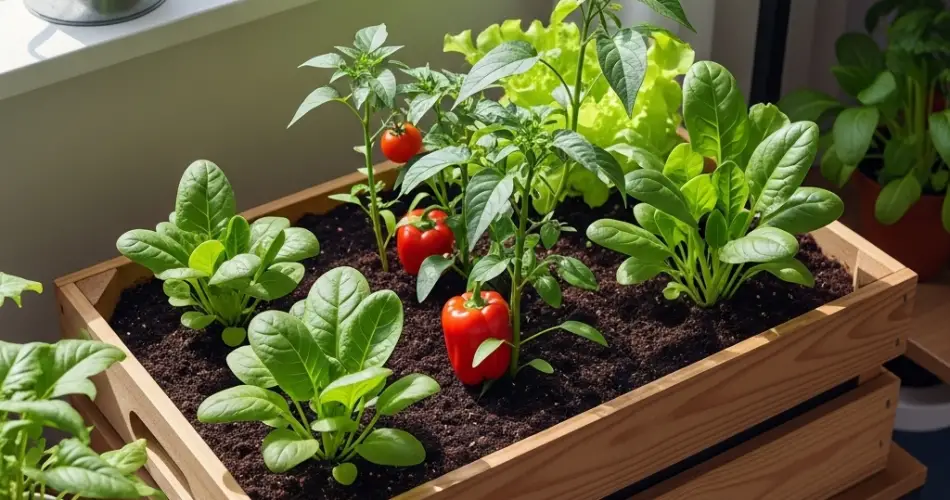
Living in a small apartment doesn’t mean you have to give up on gardening. In fact, indoor gardening is an ideal way to bring greenery, fresh herbs, or even vegetables into limited living spaces. Whether you have a sunny windowsill, a tiny balcony, or just a few empty corners, you can create a thriving indoor garden with a little creativity and planning.
Here’s how to set up your own DIY indoor garden in a small apartment—no backyard required.
1. Assess Your Space and Lighting
The first step in setting up an indoor garden is to understand your available space and light conditions. Some plants require direct sunlight, while others do well in shade or low light.
-
South- or west-facing windows receive the most light—perfect for herbs, succulents, and flowering plants.
-
North-facing windows are better for low-light plants like ferns, pothos, and peace lilies.
-
Indirect light areas can be used for hardy houseplants or with the help of grow lights.
Use shelves, hanging planters, windowsills, or even vertical racks to make the most of vertical and underused space.
2. Choose the Right Plants for Indoors
Select plants that thrive in indoor conditions and suit the light levels in your apartment. Here are a few great options:
For Herbs and Edibles:
-
Basil, mint, parsley, thyme – Easy to grow on windowsills with good sunlight.
-
Lettuce, spinach, green onions – Compact and can grow in shallow containers.
-
Chili peppers and cherry tomatoes – Require more light but can thrive in a sunny window or under grow lights.
For Decorative and Air-Purifying Plants:
-
Spider plant, pothos, snake plant – Low maintenance and purify indoor air.
-
Peace lily, ZZ plant, philodendron – Thrive in low light and are visually appealing.
-
Succulents and cacti – Ideal for sunny spots and need minimal watering.
Start with a few easy-care plants and expand your garden as you gain confidence.
3. Pick the Right Containers
Container choice is important, especially in a small space. You’ll need pots that match your decor, fit the space, and have proper drainage.
-
Terracotta and ceramic pots are breathable but heavier.
-
Plastic pots are lightweight and retain moisture longer.
-
Hanging planters or wall-mounted pots help free up floor space.
-
Mason jars or repurposed containers work well for herbs or succulents—just be sure to add drainage layers like pebbles or charcoal.
Always choose containers with drainage holes, or create a drainage system if using decorative pots.
4. Create a Soil and Fertilizer Plan
Indoor plants need a healthy growing medium. Use high-quality potting soil designed for container gardening. Avoid using garden soil, which may be too dense and may introduce pests.
-
For herbs and vegetables, use a mix rich in organic compost.
-
For succulents, use cactus or succulent-specific soil with excellent drainage.
-
Add slow-release organic fertilizers or compost every few weeks to keep plants nourished.
Check soil moisture regularly, and only water when the top inch feels dry.
5. Maximize Space with Vertical Gardening
When floor space is tight, go vertical. Here are a few ideas:
-
Wall shelves for small pots or trailing plants.
-
Pegboards or trellises to support climbing or hanging plants.
-
Stacked pots or ladder-style plant stands to organize multiple plants neatly.
-
Over-the-door organizers (like shoe holders) filled with pouches of herbs or small flowers.
This approach allows you to grow more plants while keeping your living space clutter-free.
6. Use Grow Lights If Needed
If natural sunlight is limited, grow lights can provide the necessary spectrum of light for plant growth.
-
LED grow lights are energy-efficient and don’t emit much heat.
-
Choose full-spectrum lights to support both leafy growth and flowering.
-
Place lights 6–12 inches above plants and keep them on for 12–16 hours per day for best results.
Grow lights are especially useful during winter or in apartments without sunny windows.
7. Watering and Maintenance Tips
Indoor plants typically require less water than outdoor plants due to reduced evaporation. However, overwatering is a common issue.
-
Use pots with drainage trays and empty them regularly.
-
Water only when the soil is dry to the touch.
-
Group plants with similar water needs together.
-
Wipe dust off leaves to help with photosynthesis and spot pest issues early.
Regular pruning keeps your indoor garden tidy and encourages healthy new growth.
8. Keep Pests in Check
Indoor gardens are not immune to pests like aphids, spider mites, or fungus gnats.
-
Inspect new plants before bringing them indoors.
-
Use neem oil or insecticidal soap as a safe treatment for infestations.
-
Avoid overwatering and ensure good airflow to prevent mold and mildew.
Healthy plants in a well-managed space are far less likely to suffer from pest problems.
Conclusion
A small apartment doesn’t have to limit your gardening dreams. With a little planning, the right tools, and suitable plant choices, you can create a lush and productive indoor garden that not only beautifies your living space but also provides fresh food, clean air, and a sense of calm. Whether you’re growing herbs for cooking, greens for salads, or flowers for joy, indoor gardening is a satisfying and sustainable way to bring nature into your home.


