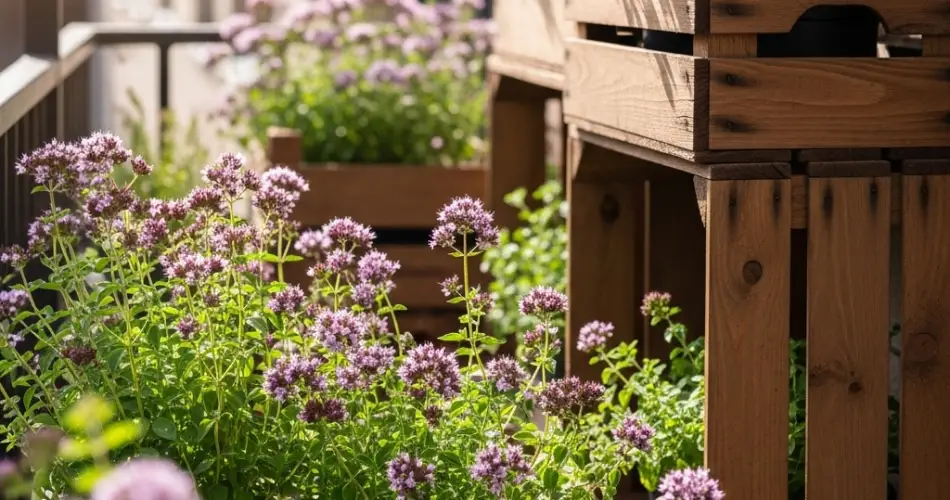
Oregano is one of the most beloved herbs in kitchens worldwide, especially prized for its bold, savory flavor that enhances pizzas, pastas, grilled meats, and more. Its compact size, drought resistance, and easy-going nature make oregano an ideal candidate for home gardening—even in limited spaces. With a rustic wooden crate and a sunny backyard corner, you can grow your own oregano with minimal effort and maximum reward.
Crate gardening brings together function and style. It provides a neat and contained way to grow herbs like oregano while adding a natural, decorative touch to your outdoor space. Whether you’re working with a backyard, patio, or even a sunny balcony, a crate planter gives you the flexibility to garden without taking up much room.
Why Use Crates for Oregano?
Wooden crates are perfect for growing herbs. Their size and shape accommodate shallow root systems, while the wood allows for better airflow around the soil. When lined properly, crates offer good drainage—crucial for Mediterranean herbs like oregano that dislike soggy conditions.
Using crates also helps control soil quality and prevents herbs from spreading uncontrollably. They’re easy to move and rearrange, so you can adjust their location throughout the seasons to capture the best sunlight or shelter them from rain and wind.
Materials You’ll Need
To get started, you’ll need the following:
-
A wooden crate (untreated wood is best)
-
Landscape fabric or coconut coir liner
-
Potting mix suitable for herbs
-
Organic compost
-
Oregano seeds or seedlings
-
Gravel or pebbles (optional, for improved drainage)
-
Hand trowel
-
Watering can or spray bottle
Preparing the Crate
Begin by lining the crate with landscape fabric or coconut coir. This will help retain the soil while allowing water to drain out. Make sure the bottom of the crate has drainage holes or gaps between the slats—if not, you can drill a few holes yourself.
Add a layer of gravel or small stones at the base if you want extra drainage, then fill the crate with a mixture of potting soil and compost. Oregano thrives in light, well-draining soil with a neutral to slightly alkaline pH. Avoid heavy or compacted soils, which can hold too much moisture and cause root rot.
Choosing and Planting Oregano
You can grow oregano from seeds or buy seedlings from a local nursery. If sowing from seed, scatter the seeds on the surface of the soil and press them in lightly without burying them too deep. Keep the soil moist until germination, which typically takes 7–14 days.
If planting seedlings, space them about 20–30 cm apart. Gently loosen the root ball and place the plant in a small hole. Cover with soil, firm it down, and water thoroughly.
Popular varieties for backyard crate gardens include:
-
Greek Oregano (Origanum vulgare subsp. hirtum): Strong flavor, ideal for cooking.
-
Italian Oregano: A hybrid of oregano and marjoram, with a milder taste.
-
Golden Oregano: Decorative yellow-green foliage that doubles as an ornamental plant.
Sunlight and Watering
Oregano loves the sun. Place your crate in a sunny spot where it can receive at least 6 hours of direct sunlight each day. A south-facing location is ideal, whether in your backyard, on a deck, or near a garden wall.
Once established, oregano is drought-tolerant. Water when the top 2–3 cm of soil feels dry, but avoid overwatering. The roots should never sit in soggy soil, so good drainage is essential for healthy growth.
Pruning and Harvesting
Regular pruning keeps your oregano plant bushy and productive. Once the plant reaches about 10–15 cm in height, you can begin harvesting. Snip stems just above a leaf pair to encourage new branching.
To promote leaf production, pinch off flower buds as they appear. While the flowers are attractive and edible, allowing the plant to bloom can cause the leaves to lose flavor.
You can use fresh oregano right away or dry the leaves for later use. To dry, hang harvested stems upside down in a cool, dark place until crisp, then store the leaves in an airtight container.
Ongoing Maintenance
Oregano is a perennial in warm climates and an annual in colder ones. Even in containers, it can return each year with proper winter protection. If you live in a region with frost, bring the crate indoors during winter or cover the plant with a breathable frost cloth.
Every couple of years, you may want to refresh the soil and divide the plant to keep it vigorous. Simply cut back overgrown roots and replant in new soil to encourage continued growth.
Oregano is also relatively pest-resistant, though it may occasionally attract aphids or spider mites. A light spray of soapy water or neem oil can help keep pests at bay.
Conclusion
Backyard crate gardening is a simple and attractive way to grow your own oregano at home. With minimal supplies and just a sunny spot, you can enjoy fresh, flavorful oregano all season long. This easy-care herb thrives in containers, making it perfect for beginner gardeners or anyone looking to add homegrown flavor to their meals. Whether you’re cooking, drying herbs, or just enjoying the fragrant greenery, oregano in a crate brings convenience and charm to any garden space


