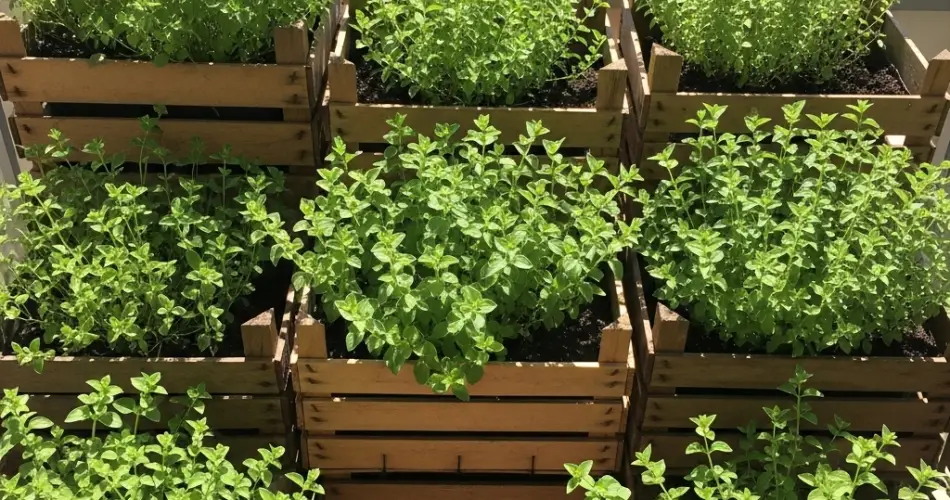
Oregano is a must-have herb in any kitchen garden. Known for its earthy, slightly spicy flavor, oregano adds depth to a wide range of dishes—from Italian pasta sauces to grilled meats and Mediterranean marinades. It’s easy to grow, hardy, and thrives in containers, making it an ideal choice for a backyard crate garden.
Using wooden crates to grow oregano is a smart and attractive gardening method, especially for those with limited space or who want more control over their herb garden’s layout. Here’s a complete guide to growing flavorful oregano in crates right in your own backyard.
Why Grow Oregano in Crates?
Crate gardening offers several benefits when growing oregano:
-
Portability: You can move crates around to chase the sun or protect plants from extreme weather.
-
Controlled environment: Growing in crates allows better control over soil quality and drainage, which is essential for oregano.
-
Containment: Oregano can spread when planted in the ground. Crates help keep it contained and easy to manage.
-
Aesthetic appeal: Wooden crates add a rustic, organized look to your garden, patio, or outdoor kitchen area.
Choosing the Right Crate
Select a sturdy wooden crate made from untreated wood. Repurposed fruit or wine crates work well as long as they are clean and safe for planting. Aim for a crate that’s at least 8–10 inches deep and 12 inches wide. This gives oregano enough space for root development and airflow between plants.
Before planting:
-
Drill drainage holes at the bottom if they aren’t already present.
-
Line the crate with landscape fabric or burlap to keep soil in place while allowing excess water to drain.
-
Fill the crate with a well-draining potting mix. Oregano prefers slightly sandy, loose soil, so a mix of potting soil, compost, and a bit of coarse sand or perlite is ideal.
Selecting an Oregano Variety
There are several types of oregano to choose from, each with its own flavor and growth habit:
-
Greek Oregano (Origanum vulgare var. hirtum): Strong flavor, great for cooking.
-
Italian Oregano: A hybrid of oregano and marjoram with a milder flavor.
-
Golden Oregano: Grows low and has attractive yellow-green foliage—more ornamental but still edible.
-
Cuban or Mexican Oregano: Technically not true oregano, but excellent for Latin dishes and thrives in warm climates.
Choose a variety that suits your culinary preferences and climate. Greek oregano is the most popular for cooking and does especially well in containers.
Planting Oregano
Oregano can be started from seeds, but most gardeners prefer using cuttings or nursery plants, as they grow faster and are more predictable.
-
If starting from seed, sow them lightly on the soil surface and barely cover with soil. Keep moist until germination (7–14 days).
-
If using young plants or cuttings, plant them in the crate about 8–10 inches apart to allow for good air circulation and growth.
Water well after planting, but avoid over-saturating the soil.
Sunlight and Water Requirements
Oregano loves the sun. Place your crate in a sunny spot where the plant will receive at least 6 hours of direct sunlight each day. The more sun it gets, the more flavorful the leaves will be.
Oregano prefers slightly dry soil, so water only when the top inch feels dry. Avoid overwatering, as soggy soil can cause root rot. Crates tend to dry out faster than ground beds, so monitor moisture levels regularly, especially in hot weather.
Pruning and Harvesting
Frequent pruning encourages bushier growth and better flavor. Once the plant reaches 4 to 6 inches tall, begin harvesting by pinching or snipping off the tips of the stems.
To harvest:
-
Cut just above a pair of leaves.
-
Avoid taking more than one-third of the plant at once to keep it healthy and productive.
-
Pinch off any flower buds to prevent the plant from going to seed, which can reduce leaf flavor.
Regular harvesting also keeps the plant compact and full.
Pest and Disease Control
Oregano is relatively resistant to pests and diseases thanks to its aromatic oils. However, aphids and spider mites may occasionally appear. Use a gentle spray of water or neem oil to control infestations.
Avoid fungal issues by watering at the base and ensuring the plant isn’t crowded. Good airflow and sunlight are key to keeping oregano healthy.
Winter Care and Longevity
Oregano is a perennial in most climates, especially if grown in containers you can move to a sheltered spot in cold weather. In mild climates, oregano will survive winter outdoors. If you live in a colder region, bring the crate indoors before the first frost or place it in a protected area like a garage or greenhouse.
Trim the plant back at the end of the season to encourage fresh new growth in spring.
Growing oregano in crates is a simple and effective way to build a flavorful herb garden in your backyard. With just a little effort and care, you’ll enjoy fresh, aromatic oregano all season long—ready to enhance your favorite dishes and elevate your outdoor space.


