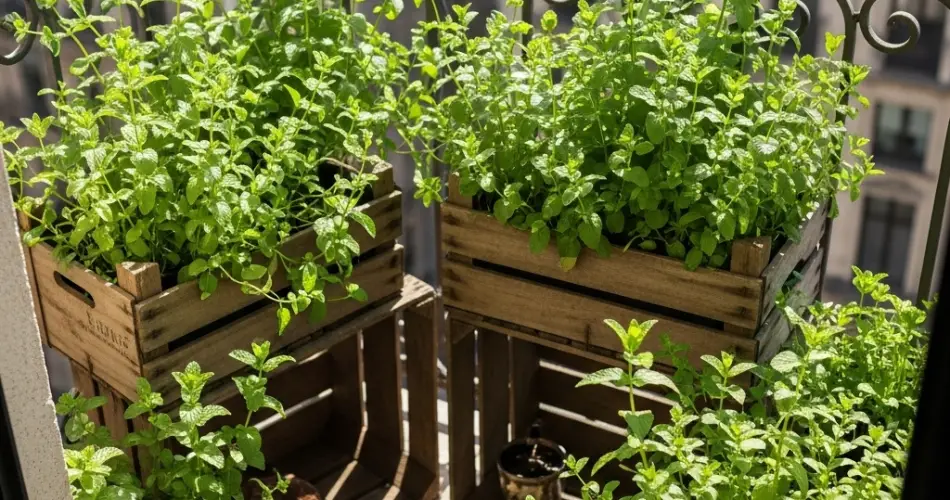
Mint is one of the easiest and most refreshing herbs to grow at home. With its invigorating scent, rapid growth, and wide variety of culinary and medicinal uses, mint is a must-have for any herb garden. Whether you’re adding it to drinks, desserts, sauces, or homemade teas, having fresh mint within reach is a delightful convenience. For a creative and space-saving way to grow this herb, consider planting mint in rustic wooden crates. It’s a charming method that suits both backyard and balcony gardeners alike.
Wooden crate gardening offers a functional and decorative approach to growing herbs. With a bit of care and the right setup, your mint plants can thrive in containers while adding natural style to your outdoor space.
Why Grow Mint in Crates?
Mint is a vigorous grower that tends to spread aggressively when planted in the ground. Growing it in crates gives you better control over its root system and helps prevent it from taking over your garden. Crates also allow you to move your mint easily if you want to adjust its exposure to sunlight or protect it from extreme weather.
Rustic wooden crates provide excellent drainage and airflow, both of which are crucial for healthy mint growth. Their natural appearance complements the lush green of mint, making them an attractive feature on patios, decks, and backyard corners.
What You’ll Need
To create a mint garden using wooden crates, you’ll need the following materials:
-
A wooden crate (preferably made of untreated or food-safe wood)
-
Landscape fabric or coconut coir liner
-
Potting mix suitable for herbs
-
Compost or well-rotted manure
-
Gravel or pebbles (optional, for drainage)
-
Mint seedlings or root cuttings
-
A hand trowel
-
Watering can or spray bottle
Preparing the Crate
Start by lining the inside of your crate with landscape fabric or coconut fiber to keep the soil contained while still allowing excess water to drain. If the crate doesn’t already have drainage holes or spaces between slats, drill a few holes in the bottom.
Add a thin layer of gravel or pebbles if you’d like to improve drainage further, though it’s not strictly necessary. Then, fill the crate with a well-draining potting mix blended with compost. Mint thrives in rich, moist soil with good drainage, so the mix should be loose and nutrient-rich without being too heavy or clay-like.
Choosing and Planting Mint
Mint comes in several varieties, each with its own unique flavor and aroma. Popular types include:
-
Spearmint: Mild and sweet, ideal for drinks and salads.
-
Peppermint: Stronger and cooler in flavor, perfect for teas and desserts.
-
Chocolate Mint: A sweet variety with a subtle cocoa scent.
-
Apple Mint or Pineapple Mint: Fruity notes and attractive variegated leaves.
You can plant a single variety or experiment with a mix, but keep in mind that different mint types can cross-pollinate and lose their distinctive flavors over time if grown closely together.
Plant your mint seedlings or rooted cuttings about 20 cm apart. Firm the soil gently around the base of each plant and water thoroughly after planting.
Light and Water Requirements
Mint prefers partial sun to full sun, but in hot climates, it benefits from some afternoon shade. Aim for 4 to 6 hours of sunlight daily. If your crate is mobile, you can shift it as needed to give your plants the ideal exposure.
Keep the soil consistently moist, especially during dry or windy conditions. Mint does not tolerate dry soil well, but it also doesn’t like to sit in waterlogged conditions. Always check that the crate drains properly after watering.
Maintenance and Pruning
Mint grows quickly and responds well to regular harvesting and pruning. Pinch back the tips of the plant regularly to encourage bushier growth. Once the plants reach about 15–20 cm tall, you can begin harvesting leaves for use.
Cut stems just above a pair of leaves to promote new shoots. Harvest often to keep the plant producing fresh, tender growth. If flower buds begin to form, pinch them off to prolong the life of the plant and maintain leaf flavor.
To keep your crate garden looking tidy, remove any yellowing leaves and trim back leggy stems.
Pests and Problems
Mint is generally hardy and pest-resistant, but it can occasionally be affected by aphids, spider mites, or fungal diseases. Rinse pests off with a spray of water or apply a mild neem oil solution. Ensure good airflow around your crate and avoid overcrowding to prevent moisture buildup and disease.
If your mint becomes rootbound or the soil is depleted after a growing season, consider replanting in fresh soil or dividing the roots to revitalize the plant.
Conclusion
A rustic wooden crate is a practical and stylish container for growing mint in your backyard or on your patio. It provides just the right environment for this fast-growing herb while keeping its spreading roots in check. With proper care, your mint crate garden will produce fragrant leaves all season long—perfect for refreshing drinks, flavorful dishes, and aromatic teas. Whether you’re a seasoned gardener or just starting out, crate-grown mint is an easy, enjoyable, and rewarding addition to your home garden.


