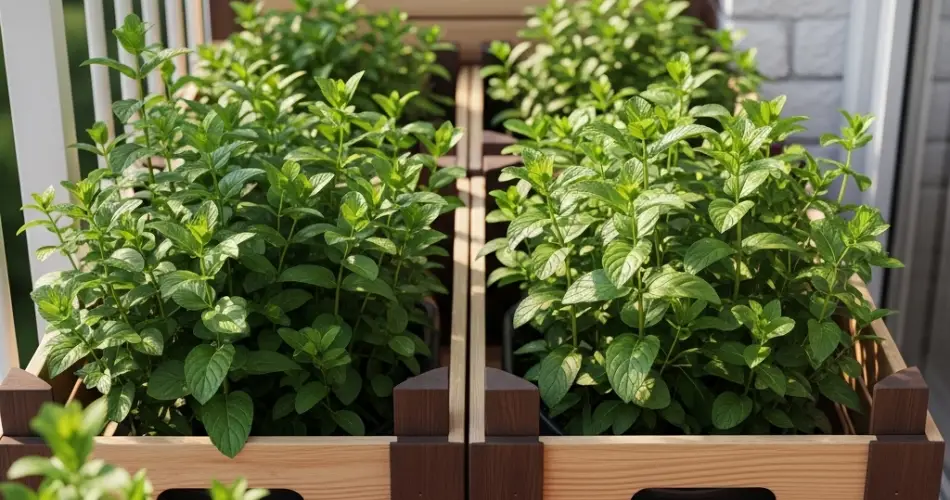
Mint is a refreshing and versatile herb that adds flavor to teas, desserts, sauces, and savory dishes. It’s easy to grow and thrives in many climates, but it comes with a major caveat—mint spreads rapidly and can easily take over a garden if left unchecked. That’s where crate gardening comes in.
Using wooden crates to grow mint in your backyard is a smart, attractive, and space-efficient way to enjoy this aromatic herb without letting it get out of control. Here’s how to do it successfully.
Why Grow Mint in Crates?
Mint is notorious for its aggressive underground runners, which quickly invade nearby areas when planted in open soil. Growing mint in crates serves two important purposes:
-
Containment: The confined space of the crate prevents mint roots from spreading uncontrollably.
-
Portability: Crates are easy to move, allowing you to shift your plants as needed for optimal sunlight or protection from extreme weather.
-
Aesthetic Appeal: Wooden crates bring a rustic, decorative touch to patios, balconies, and backyards.
Crate gardening is also ideal for beginners, requiring minimal space and maintenance.
Choosing the Right Crate
Select a sturdy, untreated wooden crate that’s at least 10–12 inches deep and wide enough to accommodate the root system. Mint grows vigorously, so give it some room to expand within the container.
Before planting, prepare the crate:
-
Drill drainage holes in the bottom if there are none. Mint likes moist soil but dislikes standing water.
-
Line the crate with landscape fabric or burlap to keep soil from spilling out while still allowing water to drain.
-
Fill with soil that’s rich, well-draining, and slightly moist. A blend of potting mix and compost works perfectly.
Choosing a Mint Variety
There are many types of mint to choose from, each with its own distinct aroma and flavor. Some popular varieties include:
-
Spearmint: Mild, sweet flavor, great for drinks and cooking.
-
Peppermint: Strong and cooling, ideal for teas and desserts.
-
Chocolate Mint: Subtle cocoa scent, great for sweet recipes.
-
Apple or Pineapple Mint: Fruity and ornamental, often with variegated leaves.
You can grow multiple varieties in separate crates to create a diverse mint collection, but avoid planting different types in one crate—they can cross-pollinate and lose their distinct characteristics.
Planting Mint in Crates
Mint can be started from seeds, but for faster and more predictable results, use cuttings or nursery transplants.
-
Transplants: Dig a small hole in the center of the crate and place the mint plant, covering the roots with soil and firming gently.
-
Cuttings: Take a 4–6 inch stem from a healthy mint plant, remove the lower leaves, and place it in water until roots form. Then transfer it to the crate.
Space is less of a concern in crate gardening, but avoid overcrowding—one plant per medium crate is usually sufficient.
Light and Water Requirements
Mint prefers partial to full sun, thriving best with at least 4–6 hours of sunlight per day. In hotter climates, some afternoon shade helps prevent the leaves from scorching.
Water regularly to keep the soil moist, but not soggy. Mint loves water, especially during dry periods, so check the soil often. The surface should feel damp but not wet to the touch.
Maintenance and Harvesting
Mint grows fast, so you’ll need to trim it regularly to keep it bushy and under control. Pinch or snip off the tips of stems to encourage lateral growth. You can start harvesting once the plant is around 6 inches tall.
To harvest, cut leaves or stems just above a set of leaves. Avoid removing more than one-third of the plant at a time to ensure continuous growth.
If you notice flowering, pinch off the buds to maintain leaf production. While mint flowers are pretty and attract pollinators, they signal the plant to stop producing leaves and shift to reproduction.
Pests and Diseases
Mint is generally pest-resistant, thanks to its strong scent. However, you may occasionally see aphids, spider mites, or fungal diseases like rust or powdery mildew.
-
Use a spray of soapy water or neem oil to treat pest infestations.
-
Ensure good air circulation by trimming regularly.
-
Water at the base of the plant to prevent leaf diseases caused by excess moisture.
Overwintering and Long-Term Care
Mint is a perennial in many climates and will die back in winter and regrow in spring. In colder regions, crates can be moved to a sheltered location during freezing weather. Mulch lightly to protect roots, and reduce watering while the plant is dormant.
Every couple of years, refresh the soil and divide the root system to maintain healthy growth. Simply dig up the root ball, divide it into smaller sections, and replant in fresh soil.
Growing mint in crates is one of the easiest and most effective ways to enjoy fresh herbs while keeping them contained. Whether you’re making iced mint tea, garnishing a summer dish, or simply enjoying the aroma, a crate of mint in your backyard is a practical and rewarding addition to your herb garden.


