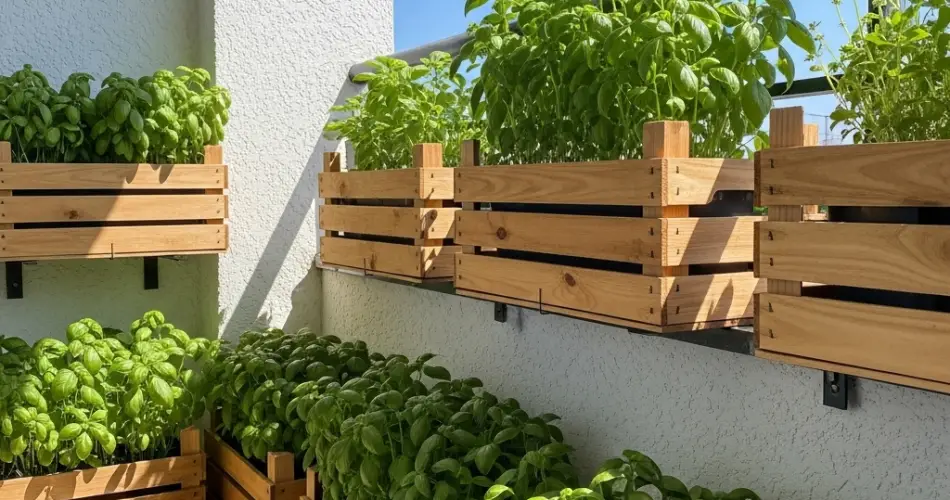
Fresh basil is a staple in many kitchens around the world. Whether you’re making pesto, garnishing pasta, or adding a fresh burst of flavor to salads and sandwiches, basil brings both aroma and taste to a variety of dishes. Fortunately, you don’t need a large garden to enjoy a steady supply of basil. With just a bit of space and a wooden crate, you can create a productive and attractive basil garden right in your backyard or on a balcony.
Crate gardening offers an ideal solution for growing herbs like basil in small or unconventional spaces. Not only is it practical, but it also adds a rustic charm to your gardening setup.
Why Use Crates to Grow Basil?
Wooden crates are excellent containers for herb gardening. They are affordable, reusable, and easy to move around. Crates also offer good drainage when properly prepared, which is essential for basil’s health. Their shallow depth and wide surface area are perfect for basil’s moderately shallow root system. Moreover, crate gardens are space-efficient and can be placed on patios, balconies, or backyard tables.
With a bit of creativity, these containers can also double as decorative elements, giving your outdoor space a cozy, farmhouse-style feel while producing fresh herbs for your kitchen.
Materials You’ll Need
To grow basil in a crate, you’ll need:
-
A wooden crate (preferably untreated wood)
-
Landscape fabric or coconut fiber liner
-
Potting soil suitable for herbs
-
Organic compost
-
Basil seeds or seedlings
-
A hand trowel
-
Watering can or spray bottle
-
Optional: gravel for extra drainage at the bottom
Preparing Your Crate Planter
Start by lining the crate with landscape fabric or a coconut coir liner. This will hold the soil in place while allowing excess water to drain. Make sure the crate has drainage holes or gaps between the slats; if not, drill a few holes at the bottom.
Add a thin layer of gravel or small stones if you want to further enhance drainage. Then, fill the crate with a mix of quality potting soil and compost. Basil prefers rich, well-draining soil that retains moisture but does not become soggy.
Choosing Basil Varieties
There are many basil varieties to choose from, depending on your culinary needs and visual preferences. Some popular types include:
-
Genovese Basil: Classic Italian variety, ideal for pesto and pasta.
-
Thai Basil: Slightly spicy with anise-like flavor, great for Asian dishes.
-
Lemon Basil: Citrusy notes perfect for seafood and salads.
-
Purple Basil: Attractive deep purple leaves that double as ornamentals.
You can plant one variety or mix several types in a single crate for a colorful and flavorful herb box.
Planting and Positioning
If starting from seed, sow basil seeds about 6 mm deep and keep the soil moist until germination, which usually takes 5–10 days. If using seedlings, plant them about 20–30 cm apart to give each plant room to spread.
Place the crate in a sunny spot. Basil needs at least 6 hours of sunlight a day, preferably more. A south-facing area in your backyard or a well-lit balcony will work best.
If your area experiences strong afternoon sun or heatwaves, provide some light shade during the hottest part of the day to prevent the leaves from scorching.
Watering and Fertilizing
Basil enjoys consistent moisture but dislikes soggy soil. Water your crate garden when the top layer of soil feels dry. During hot weather, you may need to water daily, especially in shallow containers like crates.
Feed your basil every 3 to 4 weeks with a diluted organic liquid fertilizer or compost tea. Avoid overfeeding, as this can lead to rapid growth with reduced flavor and aroma.
Pruning and Harvesting
One of the secrets to growing lush basil is regular pruning. Once your basil plant reaches about 15 cm in height, start pinching off the top sets of leaves. This encourages the plant to grow bushier and produce more leaves.
Never harvest more than one-third of the plant at a time. Use sharp scissors or your fingers to snip just above a pair of leaves or node junctions to promote regrowth.
Remove any flower buds as they appear, unless you plan to collect seeds later. Flowering reduces leaf production and changes the flavor, making it slightly bitter.
Pests and Maintenance
Basil is generally easy to maintain but can be affected by aphids, slugs, or fungal issues like downy mildew. Inspect your plants regularly and treat any pest infestations with a gentle spray of neem oil or insecticidal soap. Ensure good airflow around your crate to prevent disease.
If you notice yellowing leaves, it could be a sign of overwatering or nutrient imbalance. Adjust watering habits or refresh the soil mix if needed.
Conclusion
Basil crate gardening is a fantastic way to enjoy fresh, aromatic herbs without the need for a traditional garden. It’s a rewarding, space-efficient, and visually appealing method that fits perfectly into modern backyards and balconies. With proper sunlight, watering, and a few simple care techniques, you’ll have an abundant harvest of flavorful basil all season long—ready to elevate every meal with a touch of homegrown freshness.