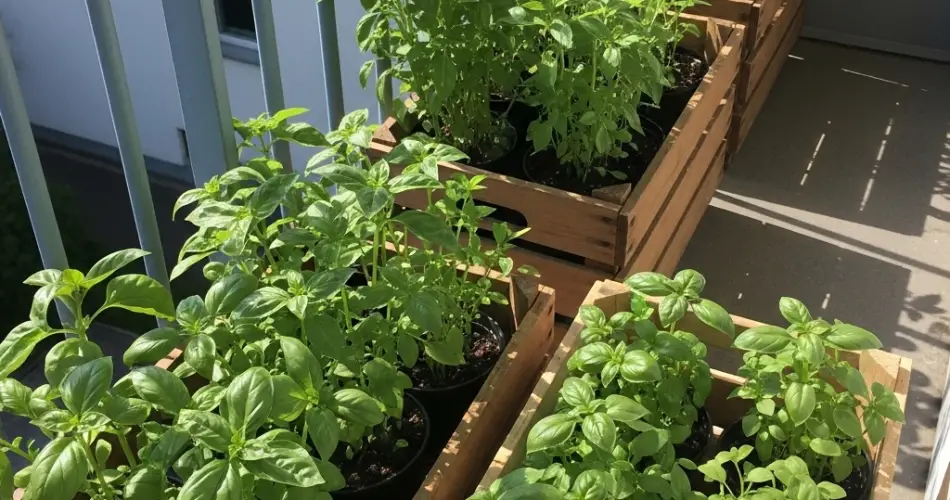
Basil is a classic kitchen herb known for its bold aroma and flavor. Whether you’re making pesto, adding freshness to pasta, or simply garnishing a salad, having fresh basil on hand is always a plus. Fortunately, you don’t need a large garden to grow basil successfully. A few wooden crates in your backyard are all you need to create a productive and charming herb garden.
Crate gardening is a great method for small or unconventional spaces, and basil thrives in this setup with minimal effort. Here’s a complete guide to growing lush, healthy basil in wooden crates right in your backyard.
Why Use Wooden Crates for Basil?
Wooden crates are an excellent choice for growing herbs. They’re easy to move, inexpensive, and provide good drainage—something basil needs to stay healthy. Crates also let you control the soil quality better than planting directly in the ground and can be arranged creatively in small spaces or around patios.
They give your backyard a rustic, homegrown feel and are ideal for gardeners who want a low-maintenance, attractive planting option.
Choosing the Right Crate
Start with a clean, untreated wooden crate that’s sturdy and deep enough for root development—at least 8 to 10 inches deep. Wine crates, fruit boxes, or DIY wooden boxes all work well.
To prepare the crate:
-
Drill drainage holes in the bottom if it doesn’t already have gaps. Proper drainage is essential to prevent soggy roots.
-
Line the crate with breathable fabric like burlap, landscape cloth, or coconut coir to hold the soil in place while allowing water to escape.
-
Fill with well-draining soil. A good mix for basil includes potting soil, compost, and a bit of perlite or coarse sand to enhance drainage.
Choosing the Right Basil
There are several basil varieties you can grow in crates. Some popular options include:
-
Sweet Basil: The most common type, ideal for Italian dishes and pesto.
-
Thai Basil: Spicier, with a hint of anise—great for Asian cuisine.
-
Purple Basil: Ornamental and flavorful, perfect for adding color.
-
Lemon Basil: With a citrus twist, ideal for teas and salads.
Choose one or mix several in different crates for a diverse herb collection.
Planting Basil
Basil can be started from seeds or transplants. If starting from seed:
-
Sow seeds directly into the crate after the last frost.
-
Lightly cover with soil and keep the surface moist until germination (usually 5–10 days).
-
Thin seedlings once they’re about 2 inches tall, keeping the strongest ones.
If using transplants, space them about 8–10 inches apart. One medium-sized crate can comfortably hold 2–3 plants.
Sunlight and Location
Basil thrives in full sun, needing at least 6 to 8 hours of direct light per day. Place your crates in a sunny area of your backyard—along a fence, on a patio, or near your kitchen door for easy access.
If you live in a very hot climate, a bit of afternoon shade can help prevent scorching, especially in midsummer.
Watering and Feeding
Basil prefers consistently moist, but not soggy, soil. Water when the top inch of soil feels dry. In hot weather, daily watering may be necessary, especially in crates that dry out faster than ground soil.
Feed basil with a balanced organic fertilizer every 3–4 weeks or mix compost into the soil at the start. Over-fertilizing can reduce the flavor, so keep it light.
Pruning and Harvesting
To keep basil productive, start pinching off the top leaves once the plant reaches about 6 inches tall. This encourages bushier growth. Avoid letting the plant flower too early, as this can make the leaves bitter. Pinch off flower buds as soon as they appear.
You can harvest basil regularly by snipping leaves just above a pair of leaves. Don’t remove more than one-third of the plant at once to allow it to recover.
Pests and Problems
Basil is relatively low-maintenance but can attract aphids, whiteflies, or slugs. These pests can be controlled by spraying with a mild solution of water and dish soap or using neem oil.
Keep an eye out for fungal issues, especially in humid environments. Good airflow, proper spacing, and avoiding overhead watering help prevent these problems.
End-of-Season Care
Basil is a warm-season annual. When temperatures drop below 50°F (10°C), the plant starts to decline. You can prolong the season by moving crates to a warmer spot or covering them on cool nights.
Before the end of the season, consider harvesting and preserving your basil by drying or freezing it, or making a batch of pesto to store.
Growing basil in wooden crates is a simple and effective way to enjoy fresh herbs all season long. With just a bit of care, you’ll have a fragrant and flavorful backyard garden that looks great and tastes even better.