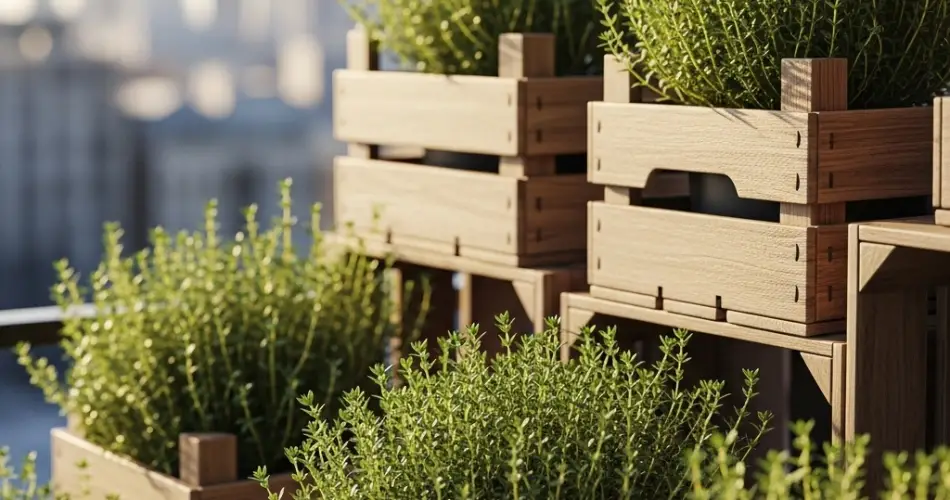
Thyme is a timeless favorite in herb gardens for both its culinary versatility and ornamental appeal. Known for its fragrant leaves and earthy, slightly minty flavor, thyme pairs beautifully with roasted meats, vegetables, soups, and sauces. Fortunately, it’s also an incredibly low-maintenance herb that thrives in containers—making it an excellent choice for outdoor crate gardening. With just a bit of sun, water, and care, you can enjoy a thriving thyme patch right on your patio, balcony, or backyard using simple wooden crates.
Why Grow Thyme in Crates?
Wooden crates provide a practical and attractive container for thyme. This herb is naturally compact and slow-growing, so it doesn’t require deep soil or large pots. Crates offer the perfect depth for thyme’s shallow root system while allowing for proper drainage and air circulation.
Additionally, crates are lightweight and portable, so you can easily move them to follow the sun or shelter them during extreme weather. Their rustic appearance also enhances the visual appeal of your outdoor space, blending functionality with decorative charm.
Best Varieties of Thyme for Crate Gardening
There are several varieties of thyme, each offering unique flavor notes and growth habits. Some top choices for crate gardening include:
-
Common Thyme (Thymus vulgaris): Classic variety used in cooking, with small, aromatic leaves.
-
Lemon Thyme: Has a citrusy aroma and taste—great for marinades and poultry dishes.
-
Creeping Thyme (Thymus serpyllum): Low-growing and decorative, often used as ground cover but works well in crates too.
-
Silver-Edge or Golden Thyme: Variegated leaves that add ornamental value along with flavor.
These varieties all do well in containers and can be grown alone or combined in a single crate for a mixed-herb look.
Materials You’ll Need
To create your thyme crate garden, you’ll need:
-
A wooden crate (preferably untreated or food-safe)
-
Landscape fabric or coconut coir liner
-
Gravel or small stones (optional, for extra drainage)
-
Well-draining potting mix
-
Organic compost
-
Thyme seeds or seedlings
-
A hand trowel
-
Watering can or spray bottle
Preparing the Crate
Line your wooden crate with landscape fabric or a coconut coir liner to keep the soil contained while still allowing water to drain freely. If the crate doesn’t already have drainage holes or open slats, drill a few holes in the bottom to prevent waterlogging.
Place a thin layer of gravel or small stones at the base if desired, then fill the crate with a mix of light, well-draining potting soil and a small amount of compost. Thyme prefers slightly alkaline to neutral soil and doesn’t like overly rich or heavy soil mixes.
Planting Thyme
Thyme can be grown from seed, cuttings, or seedlings. Seeds can take a while to germinate and may grow slowly, so using nursery seedlings or rooted cuttings is often more convenient for beginners.
If planting from seed, sprinkle the seeds lightly on the surface and press them gently into the soil. Keep the soil consistently moist until germination. If using seedlings, space them about 15–20 cm apart to allow room for growth.
Plant the seedlings so that the crown is level with the soil surface. Water gently after planting to help settle the roots.
Sunlight and Watering Needs
Thyme loves full sun. Place your crate in a spot that receives at least 6 hours of direct sunlight daily. This helps the plant produce flavorful oils and stay compact and healthy.
Water thyme sparingly. Allow the top few centimeters of soil to dry out before watering again. Thyme is drought-tolerant once established and prefers dry conditions to overly moist ones. Make sure your crate drains well and avoid letting the soil stay soggy.
Pruning and Harvesting
Thyme benefits from regular pruning, which encourages bushier growth and prevents it from becoming woody. Once the plant reaches about 10–15 cm tall, you can start harvesting.
To harvest, snip off the top few inches of growth just above a leaf node. Use fresh sprigs in cooking or dry them by hanging bunches in a cool, dry place. Regular harvesting also helps keep the plant productive throughout the season.
In late summer, you can give your thyme a light trim to shape the plant and encourage new growth before cooler months arrive.
Pest and Disease Tips
Thyme is generally pest-resistant thanks to its aromatic oils. However, it may occasionally attract aphids or spider mites. Check the undersides of leaves regularly and rinse off pests with a gentle spray of water if needed.
Avoid overcrowding your crate to maintain good airflow, and don’t overwater, as excessive moisture can lead to root rot or fungal issues.
Winter Care and Longevity
Thyme is a perennial and can survive mild winters outdoors. In colder climates, move the crate to a sheltered spot, or bring it indoors near a sunny window. You can also cover the crate with a breathable frost cloth during freezing temperatures.
With proper care, thyme will return year after year. Every few seasons, divide older plants or replace them with fresh cuttings to keep your crate garden thriving.
Conclusion
Thyme is a hardy, aromatic herb that fits perfectly into outdoor crate gardening. It’s low-maintenance, beautiful, and incredibly useful in the kitchen. With the right setup and a sunny location, you’ll enjoy flavorful thyme sprigs at your fingertips season after season. Whether you’re a seasoned gardener or just getting started, growing thyme in a wooden crate is an easy and rewarding way to enhance your outdoor herb garden.


