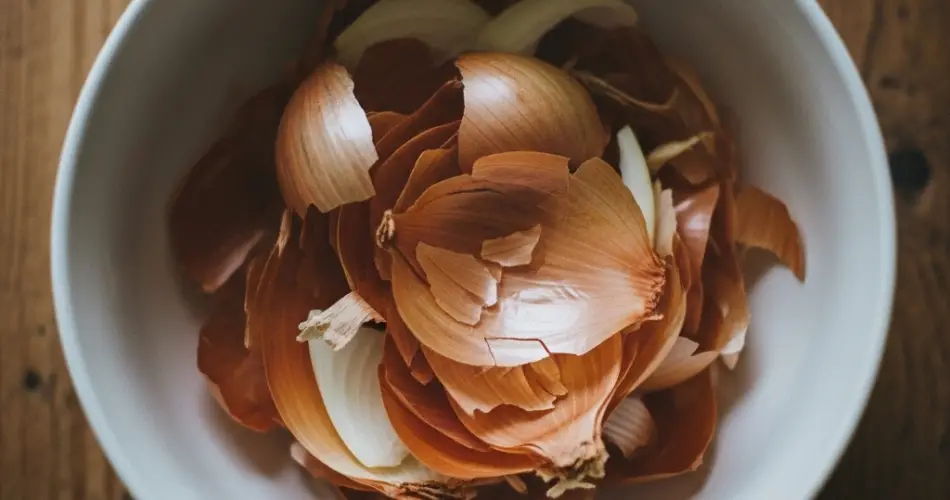
Every time you cook with onions, you likely toss away the papery outer skins without a second thought. But did you know those humble peels can become a powerful, nutrient-rich fertilizer for your garden? Onion peels are loaded with essential minerals like potassium, calcium, iron, and magnesium, making them an excellent natural amendment for plants. Instead of throwing them in the trash, you can turn onion peels into a gentle, effective, and eco-friendly plant booster.
If you’re looking for a way to reduce kitchen waste and enrich your soil at the same time, onion peel fertilizer is an ideal solution. It’s easy to make, requires zero chemicals, and is safe for most types of plants.
Why Use Onion Peels in the Garden?
Onion peels might not seem like much, but they are packed with nutrients that support healthy plant growth.
Key benefits include:
-
High in potassium: Promotes flower formation and strengthens plant cell walls.
-
Calcium and magnesium: Essential for root and leaf development.
-
Iron and sulfur compounds: Help plants resist disease and stress.
-
Antioxidants and flavonoids: Improve plant immunity and stimulate growth.
-
Completely organic and biodegradable: Safe for the environment and beneficial to soil health.
These nutrients are released slowly, making onion peel fertilizer a gentle, long-lasting source of nourishment for your garden.
Plants That Benefit from Onion Peel Fertilizer
This natural fertilizer is suitable for a wide variety of plants, especially those that thrive on potassium and calcium.
Best suited for:
-
Flowering plants like roses, hibiscus, and marigolds
-
Fruiting plants such as tomatoes, peppers, and strawberries
-
Leafy greens including spinach, lettuce, and kale
-
Indoor houseplants like pothos, ferns, and peace lilies
Avoid using on: Other onion-family crops like garlic, leeks, and shallots, as an excess of the same compounds can hinder their growth.
How to Make Onion Peel Fertilizer
There are two simple and effective ways to turn onion peels into usable fertilizer: soaking to make a liquid extract or composting for a solid amendment.
Method 1: Onion Peel Liquid Fertilizer (Soak Method)
This method is perfect for quick absorption and works well as a soil drench or foliar spray.
What you’ll need:
-
1–2 cups of dry onion peels
-
1 liter (about 4 cups) of water
-
A container with a lid
-
Fine strainer or cheesecloth
-
Spray bottle or watering can
Steps:
-
Collect and clean the peels. Use only the dry outer skins—avoid moldy or slimy peels.
-
Soak the peels. Place them in a container and pour hot or room-temperature water over them.
-
Steep for 24–48 hours. Cover and let sit in a cool, dark place.
-
Strain the liquid. Remove the peels and pour the liquid into a spray bottle or watering can.
How to use:
-
As a soil drench: Water the base of plants every 10–14 days.
-
As a foliar spray: Lightly mist leaves once a week to encourage healthier foliage and ward off pests.
Method 2: Composting with Onion Peels
If you compost at home, adding onion peels to your compost bin or pile is an excellent way to enrich the mix.
Tips:
-
Chop the peels into smaller pieces for faster breakdown.
-
Combine with carbon-rich materials like dry leaves, paper, or sawdust.
-
Maintain a good green-to-brown balance to avoid odor and promote decomposition.
After a few weeks or months, the compost will be rich in nutrients and can be added directly to your garden beds or pots.
Benefits of Onion Peel Fertilizer
-
Eco-friendly: Reduces kitchen waste and landfill contributions.
-
Free and accessible: Uses ingredients you already have at home.
-
Gentle on plants: Releases nutrients slowly, avoiding the risk of overfeeding.
-
Easy to prepare: No special tools or complicated processes required.
It’s a great way to engage in sustainable gardening while also helping your plants thrive naturally.
Additional Tips for Success
-
Use onion peels from organic onions if possible to avoid pesticide residues.
-
Combine onion peel water with banana peel tea or compost tea for a balanced natural fertilizer blend.
-
Don’t boil the peels—gentle soaking is enough to extract nutrients without destroying their properties.
-
Store any unused liquid in the fridge for up to one week. Shake well before each use.
Final Thoughts
Turning onion peels into fertilizer is a smart, sustainable gardening habit that helps both your plants and the planet. Whether you use it as a liquid soak or incorporate it into compost, onion peel fertilizer is rich in nutrients, easy to make, and incredibly effective at promoting green, healthy growth and flowering.
So the next time you cook with onions, don’t toss those papery skins—save them, steep them, and watch your garden flourish. It’s proof that even the smallest kitchen scraps can make a big impact when put to good use.


