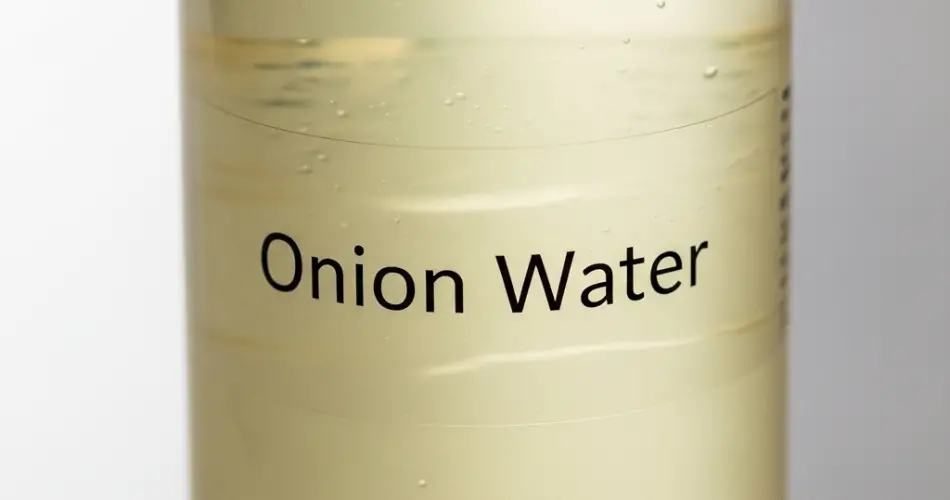
Onions are a staple in most kitchens, but their benefits extend far beyond the dinner plate. When transformed into onion water, these everyday vegetables become a powerful tool for garden care. Rich in essential nutrients and bioactive compounds, onion water can help plants grow faster, develop stronger roots, and fight off pests and diseases—all naturally and without synthetic fertilizers.
If you’re looking for an easy, eco-friendly way to boost your plants’ growth, onion water might be the solution you’ve been overlooking.
What Is Onion Water?
Onion water is a simple, homemade plant tonic made by soaking onion peels or chopped onions in water. This infusion releases nutrients and sulfur-based compounds into the water, creating a mild fertilizer that can be applied directly to the soil or sprayed onto leaves.
It’s cost-effective, organic, and an excellent way to reduce food waste while enhancing your plants’ health.
Nutrients in Onion Water
Onion water contains several key nutrients and trace elements that are vital for healthy plant growth:
-
Potassium – Supports root strength, flowering, and fruiting.
-
Calcium – Promotes strong cell walls and prevents disorders like blossom-end rot.
-
Phosphorus – Essential for early root development and energy transfer.
-
Magnesium – Crucial for chlorophyll production and photosynthesis.
-
Sulfur compounds (e.g., allicin) – Offer antifungal and antibacterial protection.
These nutrients work together to support vigorous plant growth, stronger immune responses, and healthier foliage.
How Onion Water Helps Plants Grow Faster
1. Enhances Root Development
Phosphorus and potassium in onion water promote healthy root systems. Stronger roots mean better nutrient absorption, faster establishment, and improved plant resilience.
2. Boosts Leaf Growth and Color
Magnesium and sulfur support chlorophyll production, resulting in greener, more robust foliage. This helps plants photosynthesize more efficiently, accelerating overall growth.
3. Natural Disease Resistance
Onion water contains sulfur compounds that act as natural antifungal and antibacterial agents. Regular use can help prevent issues like powdery mildew, damping-off, and root rot.
4. Repels Common Pests
The strong scent of onion can deter a variety of garden pests, including aphids, spider mites, and whiteflies. Using onion water as a spray reduces pest pressure and gives your plants a better chance to thrive.
5. Improves Soil Health
When applied to the soil, onion water enriches it with trace minerals and supports microbial activity. A healthy soil microbiome is key to faster plant growth and overall garden productivity.
How to Make Onion Water for Plants
Making onion water at home is simple and requires only a few basic ingredients:
Ingredients:
-
A handful of onion peels or 1 small chopped onion (red, yellow, or white)
-
1 liter (about 4 cups) of clean water
-
Optional: a few drops of mild liquid soap (for foliar spray)
Instructions:
-
Place the onion peels or chopped onion in a container or jar.
-
Pour the water over them and let the mixture sit for 24–48 hours.
-
Strain the liquid to remove solids.
-
Pour into a watering can or spray bottle for use.
Note: The liquid may have a strong odor, so it’s best to use it outdoors or on well-ventilated balconies.
How to Use Onion Water
1. As a Soil Drench:
Pour the strained onion water directly at the base of your plants. This method is excellent for root development and soil enrichment.
2. As a Foliar Spray:
Use onion water as a foliar spray to protect plants from pests and enhance leaf health. Add a few drops of mild soap to help the liquid adhere to the leaves.
3. For Seedlings and Transplants:
A diluted solution (1 part onion water to 2 parts water) can be used to strengthen young plants. It helps prevent disease and encourages root establishment.
How Often to Apply
-
For established plants: Once a week during the growing season
-
For seedlings or delicate plants: Every 10–14 days
-
During pest outbreaks: Twice weekly as a foliar spray
Avoid overwatering with onion water; stick to your regular watering schedule and treat this solution as a supplement, not a replacement.
Best Plants to Use It On
Onion water is suitable for a wide variety of plants, including:
-
Vegetables – Tomatoes, peppers, cucumbers, leafy greens
-
Herbs – Basil, parsley, mint
-
Flowers – Marigolds, roses, geraniums
-
Houseplants – Pothos, peace lilies, spider plants
Avoid using it on plants that are sensitive to strong odors or alliums (such as garlic and leeks) to prevent nutrient competition.
Storage and Safety Tips
-
Use fresh onion water within 2–3 days to prevent spoilage.
-
Store unused portions in a sealed container in the refrigerator.
-
Do not use moldy or rotten onions.
-
Always strain well before using as a spray to prevent clogging.
Final Thoughts
Onion water is a simple, sustainable way to speed up plant growth, strengthen immunity, and nourish soil—all while reducing kitchen waste. Whether you use it as a root soak or a foliar spray, this homemade tonic offers a natural boost for your garden without synthetic chemicals.
The next time you cook with onions, don’t toss the skins or scraps. Put them to work in your garden and watch your plants grow stronger, greener, and faster.


